Search This Blog

Friday, December 16, 2022

Feel Lonely? 🧍 There Are 4 Types of Loneliness

Feel Lonely?
https://64.media.tumblr.com/49cf8b6fbc236549d465c8d98ed2067e/fdc8f75ff31a322f-21/s540x810/84cad39aae0e9a2822ca730f6332460bf8d51669.jpg
There Are 4 Types of Loneliness. 
Here’s How to Beat Them
By Sarah Biddlecombe

Sadly, we all get lonely from time to time. Here, a psychologist offers her advice for overcoming these feelings of loneliness.

Have you ever gotten into bed at the end of the day and realised that you haven’t spoken out loud to anyone since the day before? Or simply found yourself feeling completely and utterly alone?

We live in a hyper-connected world, and yet we’re lonelier than ever before, a situation certainly not helped by pandemic isolation. We have more social media followers than real-life friends, and it’s easier to swap digital messages with strangers on the other side of the planet than it is to sit down for a chat with an actual person.

Despite being traditionally viewed as an affliction that’s limited to the elderly, it’s now 16-24 year olds who make up the loneliest age group of all, a finding confirmed in the UK’s largest study on the subject, The Loneliness Experiment by BBC Radio 4. The study included over 55,000 people and found that 34% of 25-34 year olds are lonely ‘often or very often’ while 36% of 34-44 year olds felt the same.

Now, scientists are warning of the damaging effects of a ‘loneliness epidemic’, with loneliness even being equated to the health equivalent of smoking 15 cigarettes a day.

As many of us will know, we don’t need to be physically alone to feel lonely. A toxic friendship or relationship can be incredibly isolating, for example, while spending too much time with people we don’t feel close to can have damaging effects on our psyche, even if we’re only interacting with them through our phones. Loneliness affects people in different ways, and for this reason there are four distinct types of loneliness identified by psychologists: emotional, social, situational and chronic.

But how do we know what type of loneliness we’re experiencing and, more importantly, how can we tackle it? Here, Stylist talks to registered psychologist Dr Becky Spelman, and hears from women who have experienced loneliness – and managed to keep it at bay.
Tumblr: Image
Emotional Loneliness
“Those who are emotionally lonely will find it difficult to improve things without tackling the root of the problem,” says Dr Spelman. “Emotional loneliness is not circumstantial but, rather, comes from within.”

Dr Spelman recommends therapy to help tackle the root cause of these feelings of emotional loneliness. “Working with a therapist, possibly with a technique such as behavioural cognitive therapy, or attending group therapy, is likely to lead to the best possible outcome,” she says.

“The person in question can start to understand why they are lonely, how their background and experiences have contributed to behaviours that make things worse, and how they can develop a new, and more useful, set of behaviours.” 
Tumblr: Image
Situational Loneliness
Many millennials choose to work abroad for a few years in their 20s and 30s, and the rise in solo travel means a great number of us are planning to jet off on solo adventures once the coronavirus pandemic has passed.

While these plans are undoubtedly exciting, it can also be a period of adjustment as we try to make new friends while simultaneously getting to grips with a new culture and way of life – potentially leading to situational loneliness, says Dr Spelman.

“Situational loneliness can result from being in circumstances that make developing friendships difficult,” she says. “Examples include those living abroad, perhaps in a place where they do not speak the language perfectly, stay-at-home mothers (or fathers) with young children, or those with a physical or intellectual disability that makes it difficult to get out and about.”

Situational loneliness is something that digital writer Susan experienced when she moved to Dubai for two and a half years in 2013.

“When I first moved to the Middle East, I was completely alone,” she says. “I didn’t have a friend or a family member I could call when the going got tough, or even just someone to have a cup of tea with. It was my choice to move there for work. And it was my choice to move there as a single woman. But that doesn’t mean it was easy.

“The first month was particularly difficult as I spent two weeks in a hotel on my own, surrounded by a completely different culture, customs and language. I felt the sting of loneliness as I dined on my own every evening and looked for a flat share - going from one viewing to the next without understanding a word of Arabic. But after I found somewhere to call home, I made friends with my housemates by putting myself out there and never turning down an invitation to do something new. Thankfully, I pushed myself to get to know them and my new country of residence, too.”

But situational loneliness doesn’t just arise in those who relocate alone, as social media editor Sarah discovered when she moved countries with her partner. Sarah left her Sydney home in March 2017 to join her partner in London, where he had arrived a month earlier to start a new job and find the pair a home to live in – although she admits that “didn’t mean it was smooth sailing”.

“On my first night an emotional (jetlagged) me fell asleep whimpering into my partner’s shoulder, ‘I had to give up a lot to be here’. Although very dramatic, I was more right than wrong. I knew making friends as an adult, outside of freshers’ week or a friend-of-a-friend introduction, would be preceded by a stint of loneliness – something I dreaded.

“The reality of that fear set in a week later. Without a job, I had less interaction with people and felt starved of company. I took to being overly chatty to baristas and the person on the till at Sainsbury’s. Each day I would surf LinkedIn and talk about the weather with anyone mildly inclined to respond. I would look forward to my partner coming home after work for the sheer joy of talking to someone who knew me beyond what groceries I was buying that day.”

Sarah did make friends in the city but she is also aware that “having a partner at home slowed my efforts”.

“There would be times I would crave going out with a friend rather than my partner. But the reality was that in those initial weeks he was my only friend in London. And that made me feel tied to him in a way that we never were in our home town of Sydney.

“It did take a considerable amount of effort to form friendships outside of his friendship circle (formed from his middle-school years in south London). Eighteen months on, I keep working on those friendships outside of my relationship – because I now know how very valuable they are.”

Pushing yourself to make new friends – and crucially, maintain those friendships – is exactly what Dr Spelman recommends for someone who is grappling with situational loneliness. And while we can’t currently make an active effort to meet new people in person due to coronavirus, there are alternative solutions.

“The best approach here is a proactive one,” she says. Once we are out of lockdown and able to socialise in person again, she suggests “joining a language class or a hobby group or getting in touch with like-minded people and actively courting friendships, to help overcome loneliness in these circumstances.

“The internet can help. While socialising online is not the same as meeting up with friends for coffee or a drink, establishing a support network online can help to maintain a sense of being liked and wanted, and keep social skills alive.”
Tumblr: Image
Social Loneliness
“Social loneliness is typically experienced by those who have problems in social situations because of shyness, social awkwardness, or a sense of low self-esteem that makes them doubt their capacity to be competent and entertaining in social circumstances,” Dr Spelman explains.

“Different approaches can help. For example, if the root issue is one of low self-esteem, tackling this first should make a positive difference. Trying a structured approach to socialising, such as joining an online or virtual group that gets together to discuss or engage in a particular hobby, can be a good way to start to end a vicious circle.”

Chronic Loneliness
“Chronic loneliness is the term used to describe those who have been lonely for so long that it has become a way of life to them,” explains Dr Spelman. “If solitude has become part of their nature, it can be tricky to break the cycle.”

Chronic loneliness is something that Lyla, now 26, experienced when she moved to London to start university at the age of 18. Lyla had previously lived in Nottingham where she had a solid group of friends who all lived nearby, and spent a lot of time together. Moving to a new city triggered feelings of loneliness for her, which became entrenched over her first two and a half years in the city.

 “It was a really bewildering, lonely time,” she says. “The jump of being plonked into a huge arts school, in just one of hundreds of halls of residence in a sprawling city I didn’t understand, made me retreat into myself and I struggled to make friends in the face of it all.

“I spent a lot of time in my tiny room making my mum talk to me for hours and hours on the phone, while I slowly found my footing and met people I connected with. It took me about two and a half years to learn not to hate London, but sticking it out meant it slowly got better, and nine years later nowhere has ever felt more like home.”

Dr Spelman notes that chronic loneliness is often a by-product of circumstance, such as self-isolation, although unlike situational loneliness, it can go on for so long that it almost becomes a way of life.

“Examples include the elderly whose friends have largely passed away or moved into nursing care, while adult children live far away, or those who are inhibited from socialising by a controlling partner or other circumstances that feel out of their control,” she says. “It is important to remember that we all deserve friends and a social life and that there is nothing wrong with asking for help or making the first step.” 

Are you looking to make new friends? 
See Stylist’s guide to the art of friendship dating here, or find out what happened when we tried friendship apps here. 
 
Sarah Biddlecombe is an award-winning journalist and Digital Commissioning Editor at Stylist. Follow her on Twitter .
https://64.media.tumblr.com/9dba19c2724ada19ad8a212fed718466/fdc8f75ff31a322f-b1/s640x960/b90ce4c8dc505fa4923fec0fd36e1a1da96adeff.jpg
More Stories You Might Also Like
 
'I'm surrounded by people - but I feel so lonely'
BBC · 15 min 
When the BBC launched the Loneliness Experiment on Valentine's Day 2018 a staggering 55,000 people from around the world completed the survey, making it the largest study of loneliness yet.
 
Friendship ghosting: “I haven’t replied to my friends’ messages for over a year. Now I want to get back in touch”
stylist.co.uk · 4 min 
Have your conversations with friends gone stale over the past year? We spoke to the women looking to get back in contact with a friend after ghosting them.  2021 has been a tough year.

ELLE Magazine · 10 min 
It began with a theatre trip to see Seven Methods of Killing Kylie Jenner at the Royal Court Theatre in London.
https://getpocket.com/explore/item/feel-lonely-there-are-4-types-of-loneliness-here-s-how-to-beat-them?utm_source=pocket_reader


 Tumblr: Image

Monday, December 12, 2022

If the Price Ends in 99💰You Probably Overpaid🙀

If the Price Ended in $.99
💸  You Probably Overpaid  💰
By Josh Zumbrun - Nov. 25, 2022 
 
The age-old practice of prices ending with a 9 now serves to camouflage bad deals
The strategy of pricing items just below a dollar threshold has been around so long no one is sure of its origins.

As you wander the aisles this holiday season you’re likely to encounter the number 9 everywhere. 

  $4.99   for that box of Christmas candy
  $299    for that TV
$99.99  for those stylish headphones

The trick of using 9s to price items just below some major threshold is so common that we rarely think about it, and if we do it’s likely to pity the poor suckers who don’t know $99.99 is the same as $100.

But the truth is you’ve probably been tripped up by 9-ending prices without even realizing it. A number of researchers have found something surprising about 9-ending prices. It’s not just that $9.99 isn’t a better deal than $10; it’s that it’s often actually a bad deal.
😕
“The 9-ending does some magic to us,” said Daniel Levy, an economics professor at both Emory University and Israel’s Bar-Ilan University. In a 2021 paper, Mr. Levy and Avichai Snir of Netanya Academic College in Israel found, based on years of data from American grocery stores, that when items’ prices ended in 9, they were on average 18% higher than when those same items’ prices had different endings.

The finding held across a range of items such as cheese, crackers, bottled juices, canned soups, dish detergents, painkillers, cigarettes, toilet paper, soft drinks, shampoos: When an item’s price ended in 9 it was typically more expensive than when it didn’t.

The strategy, called “just below” pricing, as in “$9.99 is just below $10,” as well as psychological, odd or charm pricing, has been around so long no one is sure of its origins. One theory is that the advent of the cash register, which was originally marketed as a device to stop employees from stealing, led to -9 and -99 ending prices because they forced the clerk to open the register—ding!—and record the sale to produce change, making it harder for them to steal the money they had just received.

Robert Schindler, a marketing professor at the Rutgers School of Business-Camden, is skeptical of the cash-register theory because he’s found Macy’s newspaper advertisements as early as 1880 touting prices like $.99 and $1.99 and proclaiming them “positively the best bargains ever offered, and cannot be equaled by any other house.” He believes the origin was always the psychological trick: consumers associate 99-cent pricing with good deals because it has been heavily used in advertisements over the years for sales.

Mr. Schindler, 15 years ago, proposed the existence of a “99-meaning paradox”: Consumers strongly associate prices ending in .99 as being low, but that this cannot be due to a correlation between the 99-ending and low prices because such a correlation doesn’t exist.

Yet if consumers know by now that $9.99 is basically the same as $10, why do retailers, who after all put serious thought into their pricing strategy, still use it?

There are two possible reasons that 9-ending prices still work. The first is simply the familiar idea that consumers read prices from left to right, and so might tend to interpret $9.99 as $9-something, and who wouldn’t rather pay $9 than $10?

The second is that people associate 9-ending prices with good deals, or items that are on sale. They don’t see $3.99 is a lot less than $4—obviously, it isn’t. People often buy dozens of items at once and can’t recall the prices they typically pay. It is exhausting to wander the aisles of the grocery store trying to remember what eggs and nutmeg and cinnamon and vanilla and milk and bacon and sausage cost the last time you bought them.

The presence of a 99 serves as a rule of thumb to determine whether a price is better than is typical.

In another paper, Profs. Levy and Snir, along with Alex Gotler of Israel’s Open University and Haipeng Allen Chen of the University of Kentucky, uncovered why retailers use 9-ending prices.

It is simply this: When stores raise a price, they strongly prefer charm prices to soften the blow. When they lower prices, however, they have many ways to call attention to the sale, such as tags with bright red letters at the grocery store that say “SALE: 2 for $7.00” or “SALE: $8.50. Usual price $8.99” which don’t depend on the 9-endings, or dropping the price all the way to the next major pricing threshold.

“When I raise the price, I make them 9 ending,” said Mr. Levy. “We don’t want people to notice price increases. The retailer wants people to think the price is still low.”

A companion study in Israeli grocery stores found the same effect, suggesting it isn’t just a quirk of U.S. retailers. The prevalence of 9-endings is common far outside of grocery stores too. In other research, Mr. Levy has documented charm pricing extensively in a database of prices across the internet for items such as CDs, videogames, DVD players, digital cameras, computers and so on.

When prices hit a major 9-threshold, they tend to stick there. Prices ending in $.99 or $9.99 or $99.99 are even stickier and less likely to be good deals. You can intuit why. What are the odds that the lowest price someone could profitably sell you a certain size TV would be $399.99? It’s obvious, when you think about it, that $399.99 is probably marked up from the best price that the market could offer.
😮 😲 🙀 😵 😕
“Most of us see 9 and think it’s a bargain. 🤑
  It’s exactly the opposite,” Mr. Levy said.  💰

Sunday, December 11, 2022

iPhone 📲Clear Your Cache📴

📲 Clear Your iPhone Cache 📴
Don't let Digital Data 
Clog up your Internet Browsers
Tumblr: Image Tumblr: Image
Adam Benjamin  &   Zachary McAuliffe
Dec. 5, 2022
Your iPhone is just like every other piece of technology -- it needs a little routine maintenance. And while you should definitely keep it in good physical condition, like regularly cleaning its screen, some of it should happen digitally, too. Even behemoths like the new iPhone 14 Pro and Pro Max can get bogged down if you're not keeping them optimized. One of the simplest pieces of upkeep is clearing your iPhone cache every month.

Believe me, I get it. We all have a laundry list of things to remember to do each month. Pay your rent or mortgage. Give your home a deeper clean than the weekly sweep. Talk to that person you meant to talk to last month. Those little tasks add up, which makes them easy to forget. But this is such a small task, you can do it in seconds after reading this guide. 

Whether you're browsing in Chrome, Safari or elsewhere on your iPhone, your cache builds up digital clutter over time. Clearing your cache gives your browser a new start, which can speed up your browsing whether you're using iOS 15 or iOS 16. (And if you're trying to get your phone to run faster, try managing your iPhone's storage.)

Think of your browser cache like a digital storage closet. Over time, an iPhone stores website data like photos and banners in that closet so it can retrieve them when you visit a site. Most of the time, this speeds up your browsing. Before too long, though, that closet starts to get cluttered, and the contents may no longer match what you need.

Eventually, your browser's cache becomes outdated and the data being retrieved no longer matches the data actually being used on the website. The result? Slower load speeds and wonky formatting.

That's why clearing your cache can help: It gives sites a fresh start in your browser and frees up some space in your storage. Note that clearing your cache will sign you out of sites you're currently logged into. Still, it's generally worth that mild inconvenience every month or so to keep things moving quickly. 

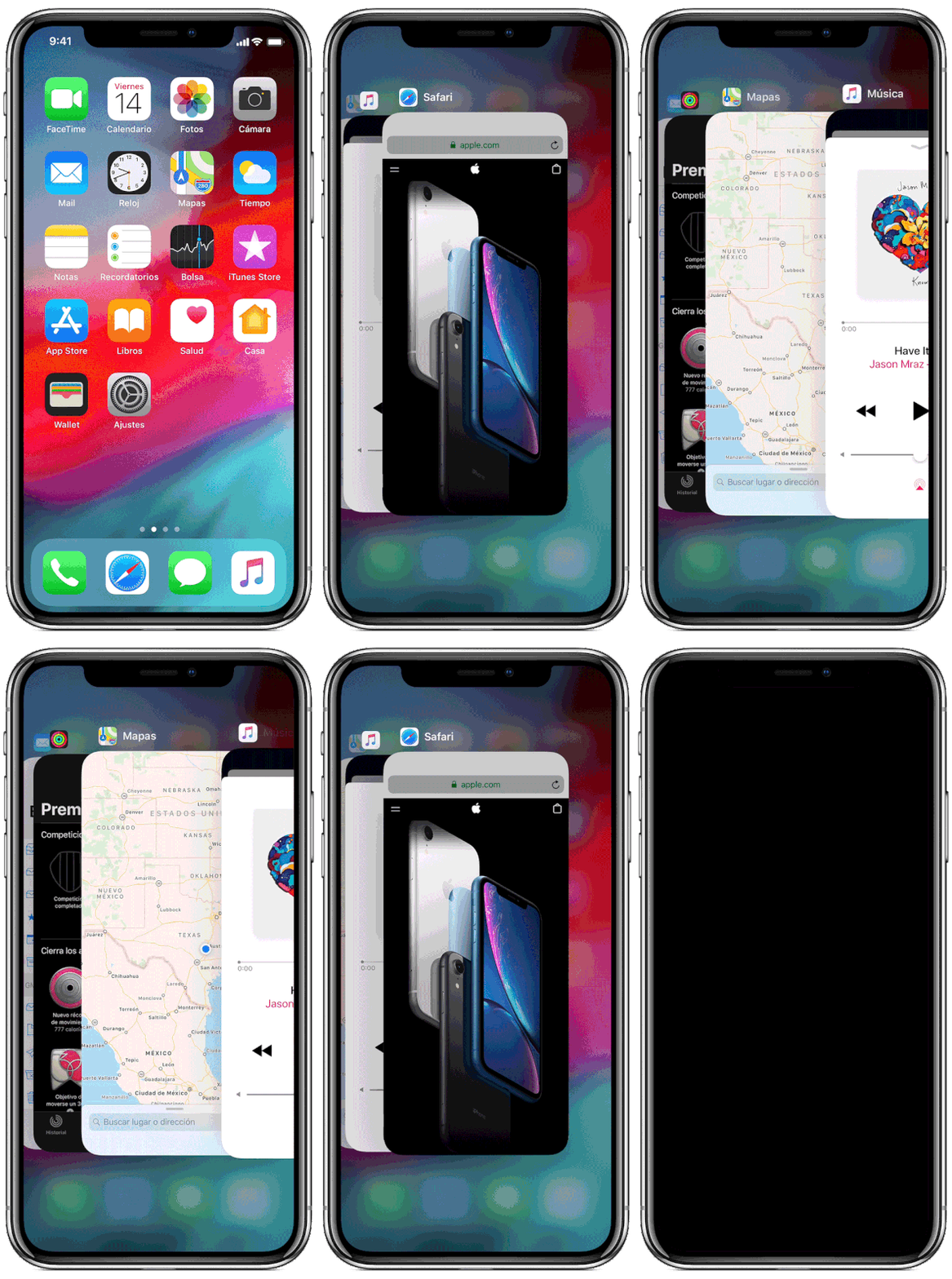
Here are step-by-step guides on how to clear your cache on your iPhone based on the browser you use.
https://64.media.tumblr.com/b8a253d87e619bddef7192b3371ccf8c/c8d8c81acbd4a3ed-dc/s1280x1920/1b6f61ce050a761c5a730001b1562cc657caafd9.jpg
How To Clear Cache On iPhone
👇 👇 👇 👇
👇
Clear cache In Safari Browser:
  1. Go to settings on your iPhone
  2. Scroll down To Safari
  3. In the Safari settings, scroll down and tap ‘Clear History and Website Data’.
  4. Tap ‘Clear History and Data’.
👇
Clear Other Useless App Data From Your Cache:
  1. Tap Settings
  2. General
  3. iPhone Storage.
👇
https://youtu.be/WK5FobQs-nY
https://64.media.tumblr.com/e65b7caa41bcfa662cb4e2ee1d6baff4/bdfb0281f9ca66fd-1f/s2048x3072/69c661fa79e5f43bda43285e78c870cdd31c1752.jpg
How to clear your iPhone cache in Safari
Safari is the default browser on iPhones, and you can clear your Safari cache in a few short steps. Starting with iOS 11, following this process will affect all devices signed in to your iCloud account. As a result all your devices' caches will be cleared, and you'll need to sign in to everything the next time you use them. Here's what to do.
1. Open the Settings app on your iPhone.
2. Select Safari from the list of apps.
3. Go to Advanced > Website Data.
4. Scroll down and select Remove All Website Data.
5. Choose Remove Now in the pop-up box.
Then you're set!
https://64.media.tumblr.com/b6a3e99956ad6ef4d1f631c0e44b9e0d/bdfb0281f9ca66fd-06/s2048x3072/053c52a9b180f3bef2f4d407c053a3347525f7a1.jpg
How to clear your iPhone cache in Chrome 
Google Chrome internet browser logo
It's easy to clear your iPhone cache in Chrome. 
James Martin/CNET
Chrome is another popular browser for iPhone users. The overall process for clearing your Chrome cache requires a few more steps, and you'll need to do things through the Chrome browser itself. Here's how.  
1. Open the Chrome app.
2. Select the three dots in the bottom right to open more options.
3. Scroll across the top and select Settings.
4. Select Privacy and Security in the next menu.
5. Then select Clear Browsing Data to open up one last menu.
6. Select the intended time range at the top of the menu (anywhere from Last Hour to All Time).
7. Make sure that Cookies, Site Data is selected, along with Cached Images and Files. Finally, hit Clear Browsing Data at the bottom of the screen.
https://64.media.tumblr.com/495f621edf6bef3abd548adce6a81b89/c8d8c81acbd4a3ed-eb/s540x810/2177c454dbc4c6d8d5f4af6ae4dc70686b91d3b1.pnjhttps://64.media.tumblr.com/7b160c23759220b49037c0df8f26145b/c8d8c81acbd4a3ed-23/s540x810/b81ab41d589303f8fcf3a7cf59c5e0b4373c907a.pnj
How to clear your iPhone cache in Firefox
If you're a Firefox devotee, don't worry. Clearing the cache on your iPhone is pretty straightforward. Just follow these steps. 
1. Click the hamburger menu in the bottom right corner to open up options.
2. Choose Settings at the bottom of the menu.
3. Select Data Management in the Privacy section.
4. You can select Website Data to clear data for individual sites, or select Clear Private Data at the bottom of the screen to clear data from all selected fields.
Tumblr: Image
What happens when you clear the cache? 
Clearing your cache removes the website data your phone stored locally to prevent having to download that data upon each new visit. The data in your cache builds over time and can end up slowing things down if it becomes too bulky or out of date. (My phone had about 150MB of data stored in Chrome when I checked.) Clearing that data gives sites a fresh start, which may fix some loading errors and speed up your browser. 
However, clearing your cache also signs you out of pages, so be prepared to sign in to everything again. 
https://64.media.tumblr.com/aa5815d2c9574b7aef58876c13d6ace5/bdfb0281f9ca66fd-ca/s2048x3072/f2ea06fc382ac382a5a59978e517be6739bb60f7.jpg
How often do I need to clear my cache?
Most people only need to clear their caches once every month or two. That's generally the point when your browser will build up a cache large enough to start slowing things down. If you frequent a large number of sites, you should err on the side of clearing your cache more often.
Tumblr: Image

How to Clear Cache on iPhone 2022
(6 Ways)
If your iPhone is running slow or out of storage, learn how to free up space by clearing system caches in this video.
👇 👇 👇 👇

👇
Chapters:
0:00 Intro & Preview
0:28 Force Restart
0:54 Offload Unused Apps
1:14 Clear App Caches
1:37 Empty Recently Deleted Album
1:52 Reset & Restore
2:13 Repair iOS with ReiBoot
👇
https://youtu.be/_HLLfoZdJyg

Tumblr: Image
📱  📲  🤙🏻  📳  📴  🤳  📵

Saturday, December 10, 2022

Goalkeeper ⚽ Cat Got Snubbed 🙀 from World Cup!

😽 Goalkeeper Cat ⚽
Got Snubbed from World Cup!
https://64.media.tumblr.com/26352683c1e0e6b904d2005d79600e12/b125b4b26a319f14-73/s1280x1920/5c7dbf14adeb4bda32d52c77787702c8017ba46f.pnj
My goalkeeper cat Indy trained really hard for the 2022 World Cup. 
And he prepared a video resume with all of
His incredible and impossible saves
! 
But despite all those amazing goalkeeper saves...
He still got snubbed from the World Cup!
😼   🙀   😾
And you'll see  WHY   in the video...


Indy has always been a talented, acrobatic goalkeeper.  
Here are his previous goalkeeping videos:
https://64.media.tumblr.com/cee7014414e89fca7a50679f4c4576c5/b125b4b26a319f14-9d/s1280x1920/740f87abf4723926c2afcba6693543ebbb08fdaa.pnj
https://64.media.tumblr.com/26352683c1e0e6b904d2005d79600e12/b125b4b26a319f14-73/s1280x1920/5c7dbf14adeb4bda32d52c77787702c8017ba46f.pnj
😽 😺 😻 ⚽ 😼 😾 🙀

Friday, December 9, 2022

Weird and Wonderful 🐋 Sea Creatures

Weird and Wonderful
🐟  Sea Creatures  🐋
LADbible
Tumblr: Image
Some of these water creatures are amazing 🤩
👇 📺 👇

Tumblr: Image
https://youtu.be/IzrhDlXov6w
🐋
🐡🐟🐠🐳🐬
The Beauty Of Deep-sea Creatures
Blue Planet BBC Earth
👇 📺 👇
10 Most Beautiful Sea Creatures in the World
If you are an animal lover and love to watch videos about beautiful and rare deep sea creatures that are not much popular on the internet then you are at right place because in this video, I have listed 10 of the world's most beautiful, colorful, strange and lesser known sea creatures that you won't believe actually exist on planet Earth. Subscribe To Our Channel : http://bit.ly/4EverGreen
👇 📺 👇

🐠
https://youtu.be/5NnOR3OyBbs
Tumblr: Image
10 Minutes of Fascinating Deep-Sea Animals
Into The Deep
Enjoy 10 minutes of mesmerizing deep-sea animals filmed by MBARI's remotely operated vehicles (ROVs) in the depths of Monterey Bay and beyond.
👇 📺 👇

Tumblr: Image 
This is a companion video for species identification to our education and conservation partner @MontereyBayAquarium's "Why Do Deep Sea Animals Look So Weird?!": https://youtu.be/Do690uLmgCI 
Get ready to explore the Monterey Bay Aquarium's latest exhibition, "Into the Deep: Exploring our Undiscovered Ocean": https://www.montereybayaquarium.org/v... Animals in order of appearance: (Sizes are maximum length, depths are published ranges)  
00:00 Peacock squid (Taonius sp.) | Size: 66 cm (26 in.) mantle length | Depth: 300–1,700 m (1,000–5,600 ft.)  
00:16 Psychedelic jelly (Crossota millsae) | Size: 2.8 cm (about 1 in) across | Depth: below 1,000 - 3,300 m (3,300 - 10,800 ft.) 
 00:32 Blob sculpin (Psychrolutes phrictus) | Size: 70 cm (26 in.) | Depth: 800–2,800 m (2,600–9,200 ft.)  
00:47 Midwater octopus (Japetella diaphana) | Size: 16 cm (6 in.) | Depth: 800–1,450 m (2,600–4,800 ft.)  
01:03 Black seadevil anglerfish (Melanocetus johnsonii) | Size: 6 cm (2 in.) | Depth: 100–4,500 m (330–14,800 ft.)  
01:18 Spiny dreamer anglerfish (Oneirodes acanthias) | Size: 20 cm (8 in.) | Depth: 500–1,200 m (1,600–3,900 ft.)  
01:29 Swimming sea cucumber (Enypniastes sp.) | Size: 25 cm (10 in.) | Depth: 500–7,000 m (1,600–23,000 ft.) 
01:44 Smalleye snipe eel (Avocettina bowersii) | Size: 52 cm (10 in.) | Depth: 90–2,700 m (300–8,900 ft.)  
01:59 Blue shark (Prionace glauca) | Size: 3.8 m (12.5 ft.) | Depth: surface to 350 m (1,150 ft.)  
02:15 Silky jelly (Colobonema sericeum) | Size: 4.5 cm (1.8 in.) across | Depth: 200–700 m (660–2,300 ft.) 
02:30 Strawberry squid (Histioteuthis heteropsis) | Size: 13 cm (5 in.) mantle length | Depth: 300–800 m (1,000–2,600 ft.)  
02:46 Crystal amphipod (Cystisoma magna) | Size: 14 cm (6 in.) | Depth: 200–1,500 m (660–4,900 ft.)  
3:03 Cross jelly (Mitrocoma cellularia) | Size: 9 cm / 3.5 in across | Depth: surface to 1,000 m / 3,300 ft  
3:18 Frilled jelly (Chiarella centripetalis) | Size: 1.5 cm (0.5 in.) across | Depth: surface to 800 m (2,600 ft.)  
3:37 Peacock squid (Taonius sp.) | Size: 66 cm (26 in.) mantle length | Depth: 300–1,700 m (1,000–5,600 ft.)  
03:54 Vampire squid (Vampyroteuthis infernalis) | Size: 30 cm (12 in) | Depth: 600–900 m (2,000–3,000 ft)  
04:08 Rattail fishes (Coryphaenoides sp.) | Size: 1m (3.2 ft.) | Depth: 200 - 4,000 m / 600 - 13,100 ft  
04:26 Bathyal squid (Bathyteuthis sp.) | Size: 7.5 cm (3 in.) mantle length | Depth: 100–4,200 m (330–13,800 ft.)  
04:42 Swordtail squid (Chiroteuthis calyx) | Size: 10 cm (4 in.) mantle length | Depth: 100–800 m (330–2,600 ft.) 
 04:57 Owlfishes (Family: Bathylagidae) | Depth: 100–1,500 m (330–4,900 ft.)  
05:12 Humboldt squid (Dosidicus gigas) eating armhook squid (Gonatus sp.)  
05:20 Helmet jelly (Periphylla periphylla) eating market squid (Doryteuthis opalescens)  
5:34 Black-eyed squid (Gonatus onyx) eating stout owlfish (Pseudobathylagus milleri) 05:49 Rattail fish (Family: Macrouridae) eating squid  
06:04 Black-eyed squid eating another black-eyed squid (Gonatus onyx)  
06:18 Swarthy snaketooth (Chiasmodon subniger) | Size: 3 cm (1 in.) | Depth: 200–4,600 m (660–15,100 ft.)  
06:33 Giant whipnose anglerfish (Gigantactis gargantua) | Size: 41 cm (16 in.) | Depth: 500–1,500 m (1,600–4,900 ft.)  
06:47 Pacific viperfish (Chauliodus macouni) | Size: 30 cm (12 in.) | Depth: 200–1,500 m (660–4,900 ft.) 
 07:02 Pacific blackdragon (Idiacanthus antrostomus) | Size: 38 cm (15 in.) | Depth: 300–700 m (1,000–2,300 ft.) 
 07:19 Longnose chimaera (Harriotta raleighana) Size: 1.2 m (3.9 ft) | Depth: 500–2,600 m (1,600–8,500 ft)  
07:35 Feather star (Family: Crinoidea)  
07:49 Midwater bristle worm (Flota sp.) | Size: 10 cm (4 in.) | Depth: 2,000–4,000 m (6,600–13,100 ft.)  
08:04 Threadfin snailfish (Careproctus longifilis) | Size: 16.2 cm (6.4 in) | Depth: to 3675 m / 12,057 ft  
08:18 Pointy-nosed blue chimaera (Hydrolagus trolli) | Size: 1.2 m (3.9 ft.) | Depth: 600–1,700 m (2,000–5,600 ft.)  
08:33 Rabbit-eared comb jelly (Kiyohimea usagi) | Size: 28 cm (11 in.) | Depth: 200–300 m (660–1,000 ft.)  
08:50 Bomber worm (Swima fulgida) | Size: 3 cm (1 in.) | Depth: 3,200–3,600 m (10,500–11,800 ft.) 
 09:05 Panda bear sea angel (Notobranchaea macdonaldi) | Size: 1 cm (0.5 in.) | Depth: 200–1,700 m (660–5,600 ft.) 
 09:20 Red balloon jelly (Deepstaria reticulum) | Size: 75 cm (30 in.) across | Depth: 600–1,900 m (2,000–6,200 ft.)  
09:34 Barreleye (Macropinna microstoma) | Size: 15 cm (6 in.) | Depth: 600–800 m (2,000–2,600 ft.)
https://64.media.tumblr.com/68658fa1c1d20760f3b509fd4b314d2c/72360be74471778d-95/s1280x1920/020d76ff76c72764a4b8aec33b381e3a6e78de01.pnj