Martin Luther King Jr. Day (MLK Day) is a U.S. federal holiday observed annually on the third Monday of January to honor the life and legacy of the influential civil rights leader.
Date of Observance: The third Monday of January each year. In 2026, it falls on January 19.
Significance: The day commemorates Dr. King's contributions to the civil rights movement, which advocated for racial equality, an end to segregation, and voting rights through nonviolent resistance and civil disobedience.
Federal Holiday: It was signed into law as a federal holiday by President Ronald Reagan in November 1983 and was first observed nationwide in 1986. All 50 states officially recognized the holiday by 2000.
Day of Service: Congress has designated MLK Day as a national day of service, encouraging Americans to volunteer in their communities and work toward his vision of a "beloved community". The common phrase associated with this is "a day on, not a day off".
M.L.K. Day
🙏🏾 A Day to Reflect on His Life🙏 How We All Can Make a Difference
M.L.K. Day 🙏🏾A Day to Reflect on his Life🙏 & How We All Can Make a Difference
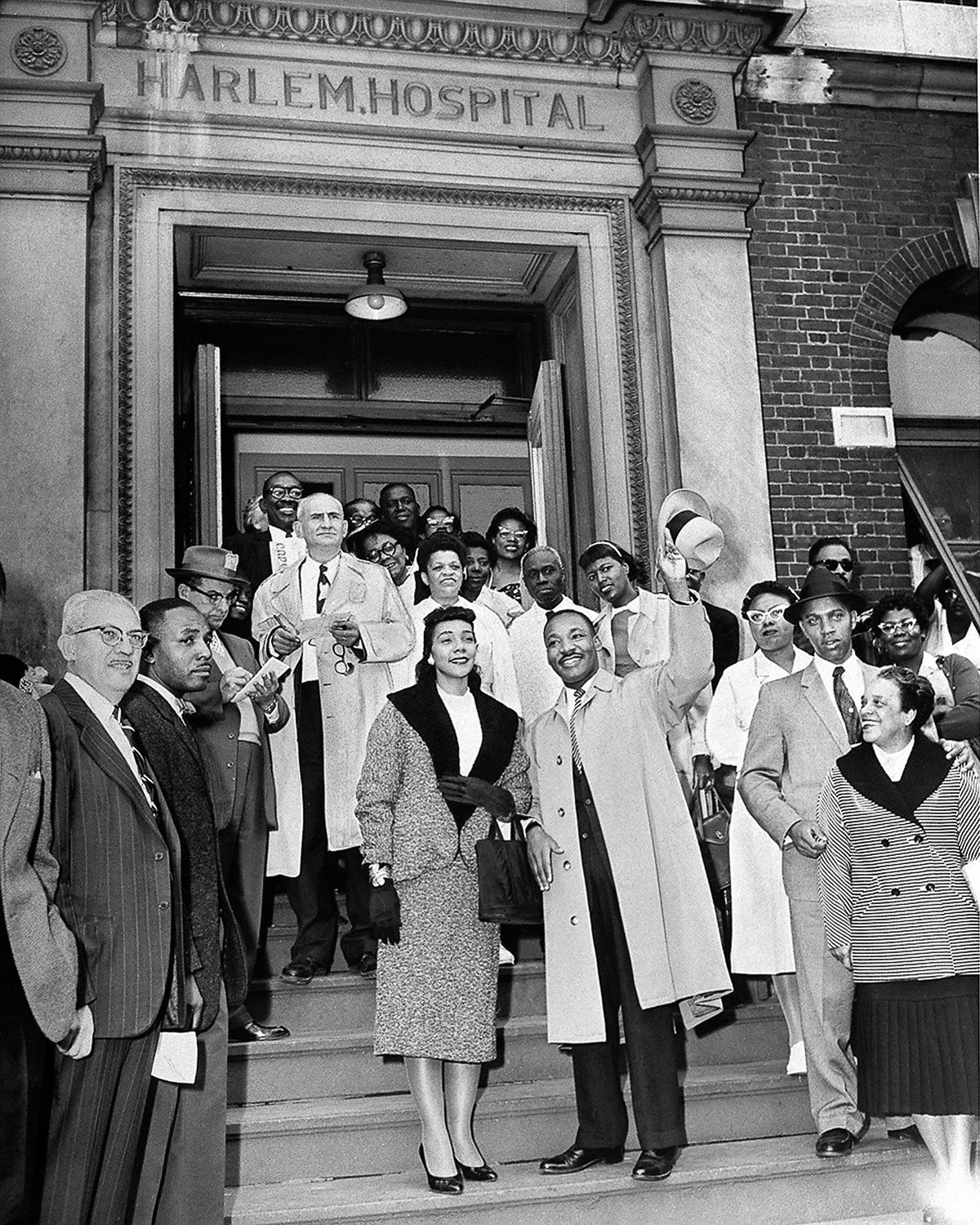
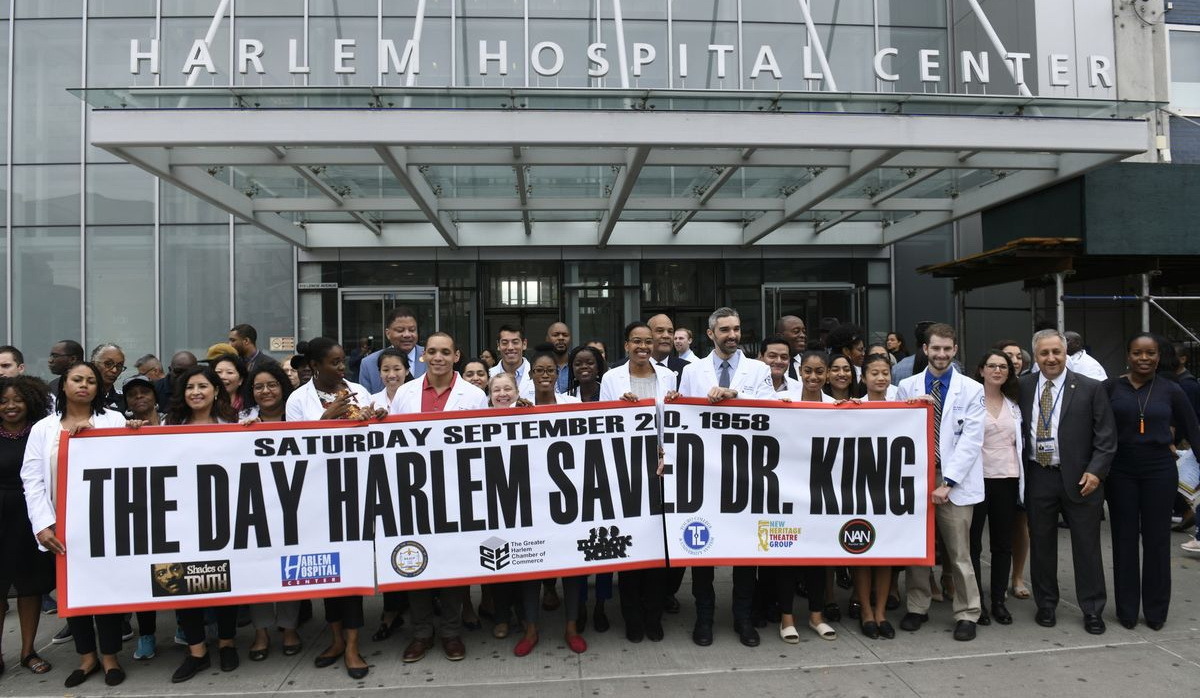
At Doctors Council, MLK day leads us to reflect on the life and work of Dr. W.V. Cordice Jr., the great Surgeon who along with Dr. Emil Naclerio and Dr. Aubré de Lambert Maynard,
as well as the other members of the health care team, saved Dr. King’s
life in a Harlem Hospital operating room after he was stabbed during a
book signing tour in Harlem in 1958. Dr. Cordice and Dr. Naclerio
performed the surgery.
Dr. Cordice said “I think if we had lost King that day the whole civil rights era would have been different.”
He said: “There was a whole lot of brouhaha about you know who did
the operation and I didn’t really like to get into that because we saved
his life that was the important thing…”
“Circumstances arose where my medical talents were useful to the
civil rights activity. I let it be known that I was available and I was
available… I saw a number of civil rights marchers in my office.”
Many doctors at the time organized themselves to play a key role in the civil rights movement including the doctors involved in The Medical Committee for Human Rights (MCHR).
Dr. Aaron O. Wells, the first national president of MCHR, spoke about the organizing energy of that time:
“It was something new for physicians to be involved. It was new; it
was not the norm, just as it was not the norm for middle-class Americans
to do very much in terms of the civil rights movement in the
beginning.”
What can we as doctors learn from the life of Rev. Dr. Martin Luther
King, Jr. and the experiences of these doctors? What may be new and
outside the norm that doctors may need to improve not just the lives of
doctors but the patients we care for and the communities we serve? How
can we take the inspiration of the civil rights movement and apply it
towards medicine and patient care? These are some thoughts we can
reflect on MLK Day as we remember his quote: “Of all the forms of
inequality, injustice in health care is the most shockingand inhumane.”
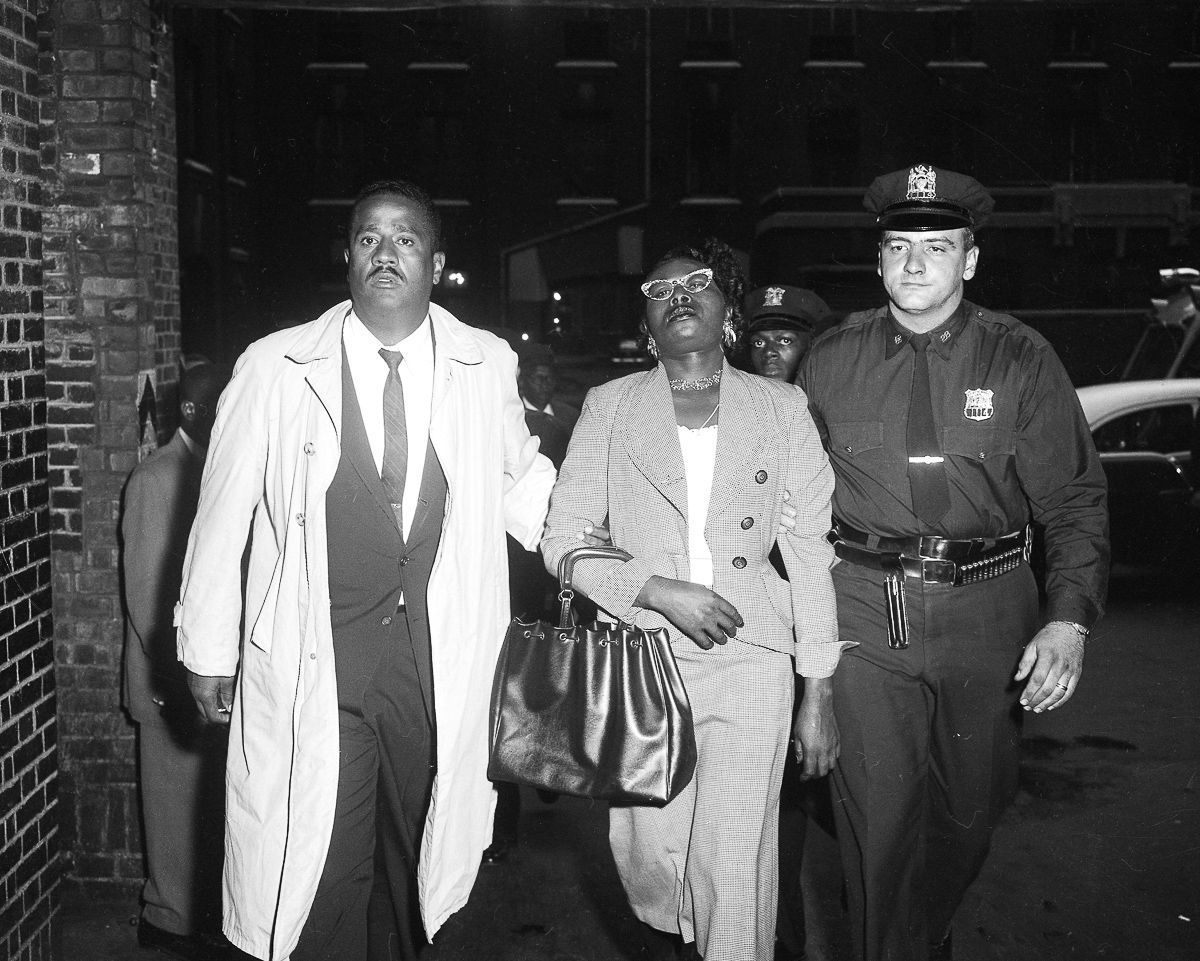
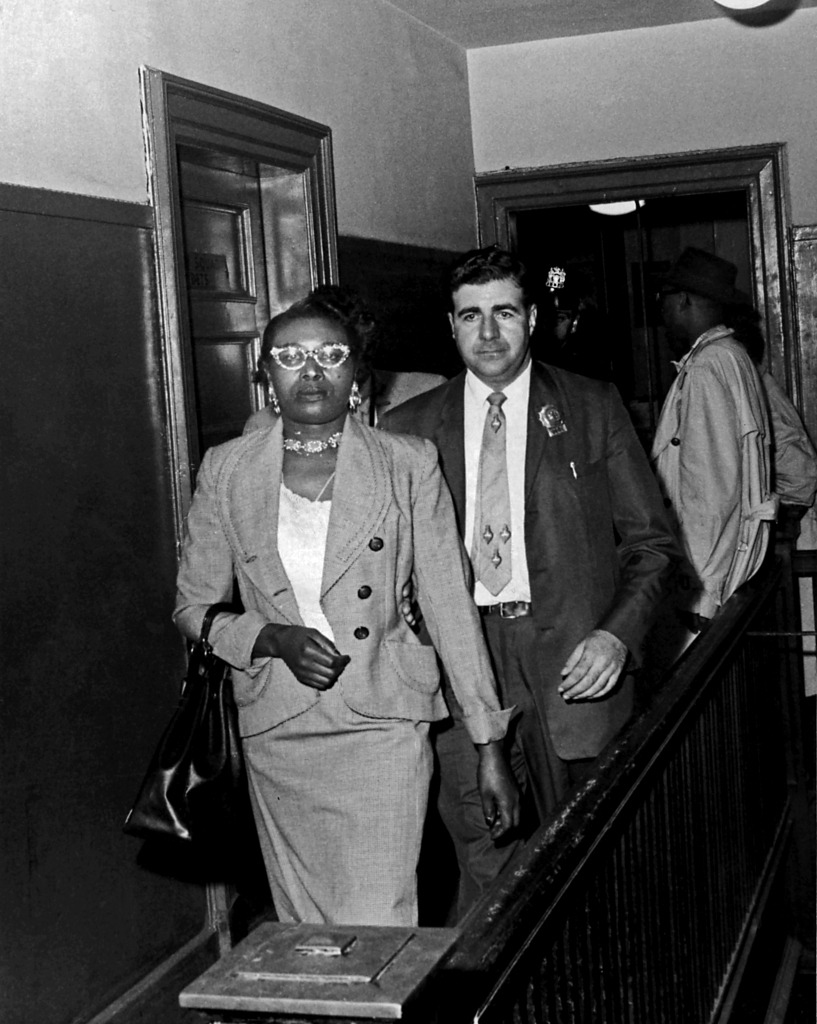
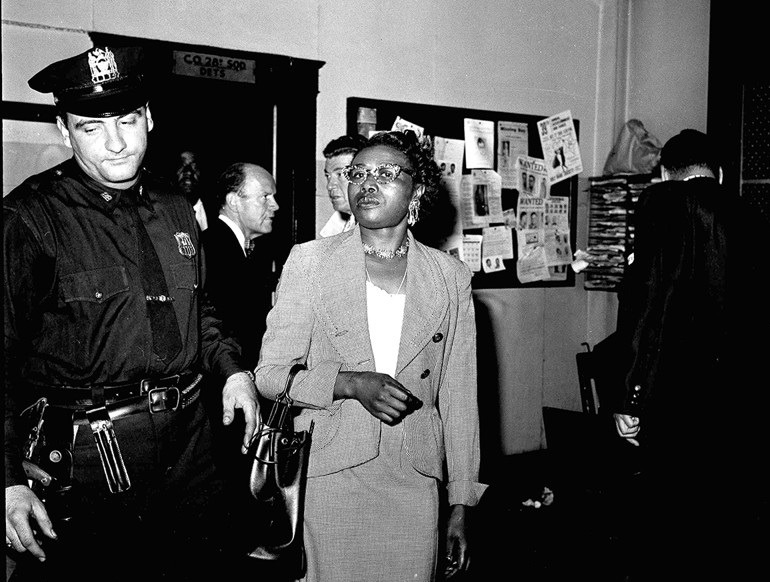
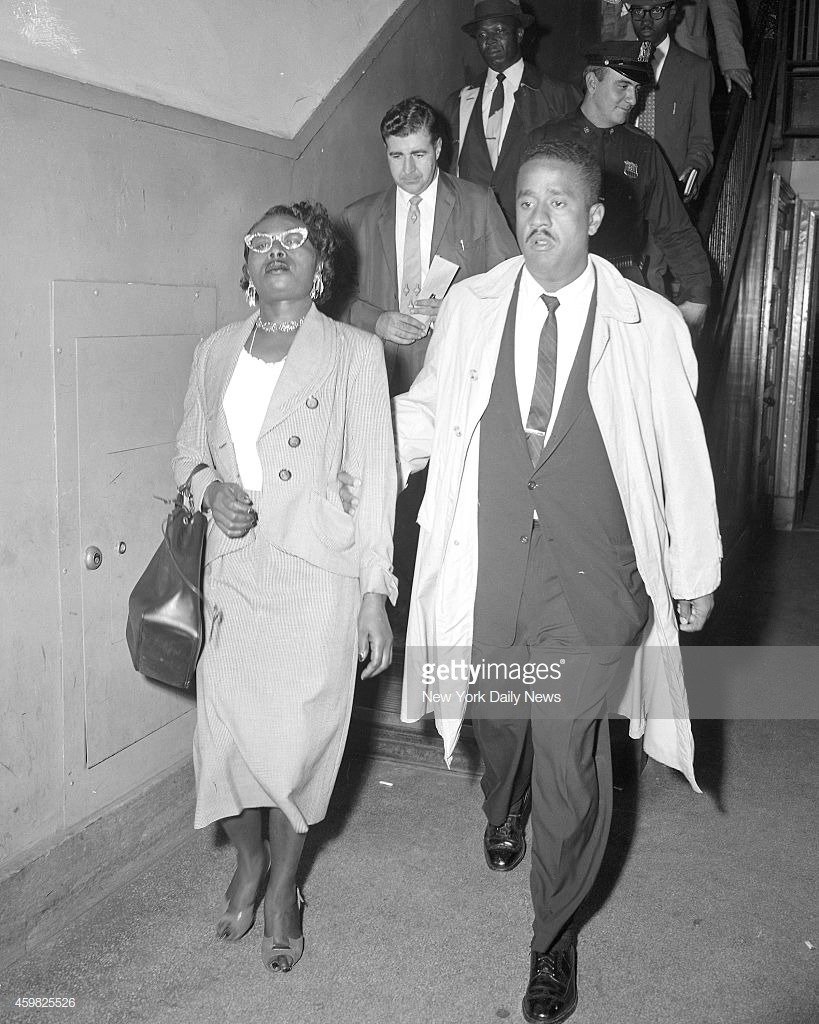
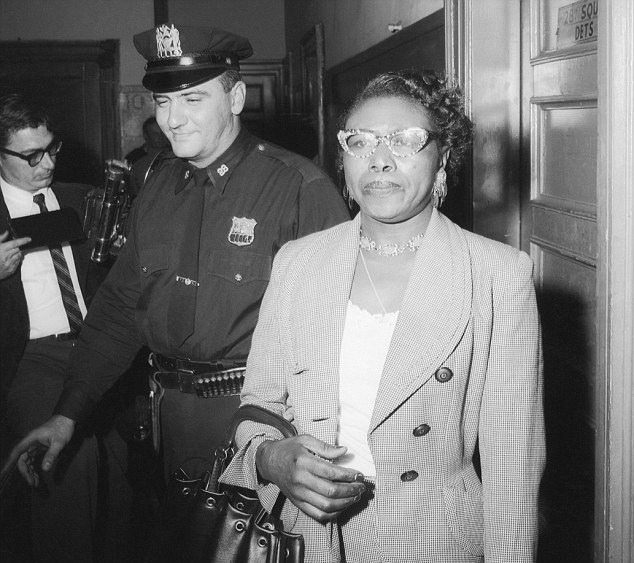
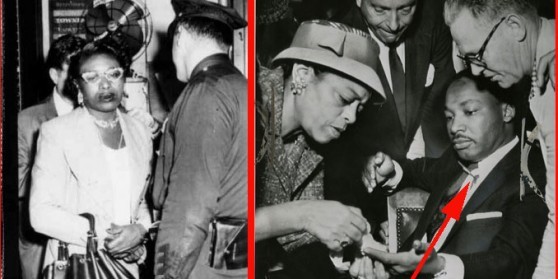
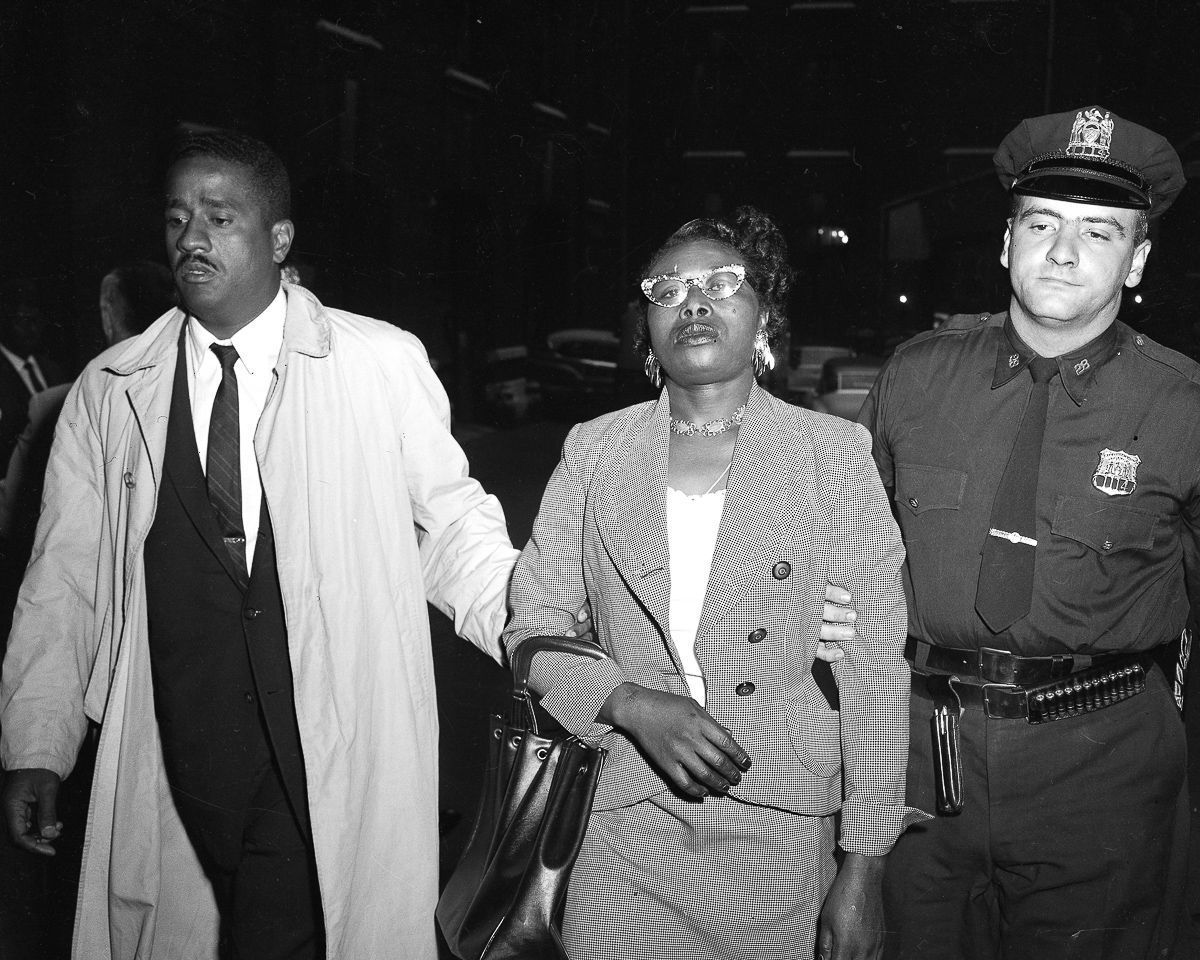
Izola Ware Curry enters a New York City police station, Sept. 20, 1958, where she was questioned in the stabbing of the Rev. Dr. Martin Luther King Jr. in a department store in Harlem during a book signing. Police said the civil rights leader was stabbed by Mrs. Curry, who told them several "rambling" stories and at times was incoherent.
“Is this Martin Luther King?”
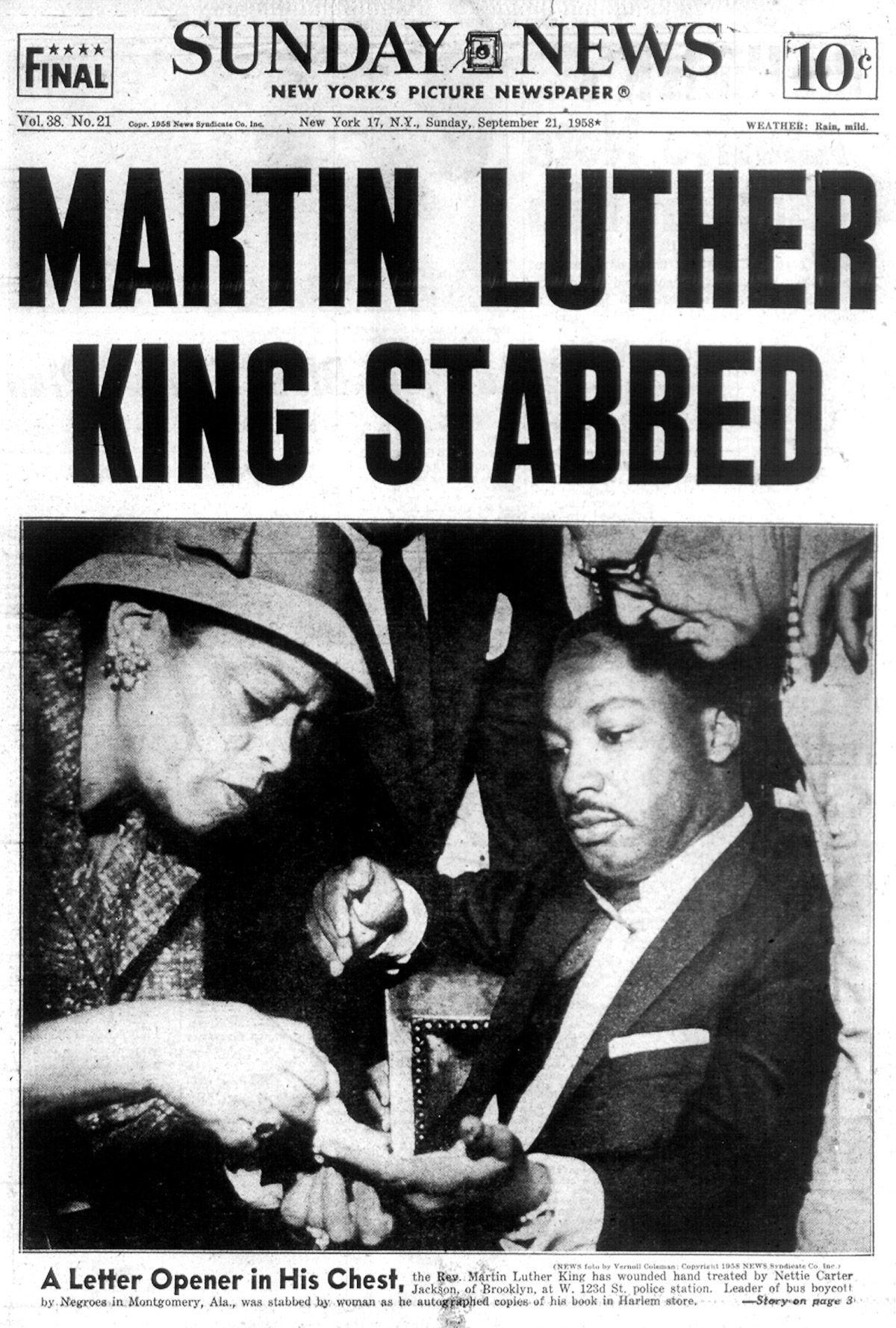
That is the question, a simple one, that Izola Ware Curry asked Martin Luther King Jr. at a Sept. 20, 1958 book signing in Harlem. The 42-year-old Curry had a distinctive Southern accent and was neatly dressed in a suit with matching jewelry and sequined cat’s-eye glasses. King was signing copies of his first book “Stride Toward Freedom: The Montgomery Story,” at Blumstein’s Department Store. Only 29 at the time, King barely looked up when he replied, “Yes.” With that confirmation, Curry plunged a seven-inch steel letter opener into King’s chest. She was stopped before she could get her loaded .25-caliber automatic pistol out of her bra.
She didn’t try to run.
“I’ve been after him for six years,
”
Curry cried as she was apprehended.
“I’m glad I done it.”
The Story of Izola Ware Curry
and
The Stabbing of Dr. Martin Luther King Jr.
As we observe Martin Luther King Jr. Day we’ll recount a story many people are not familiar with.
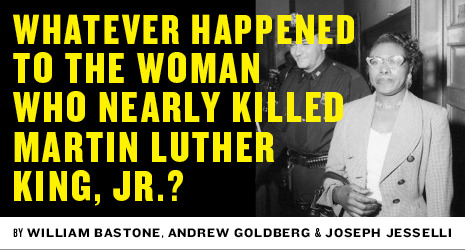
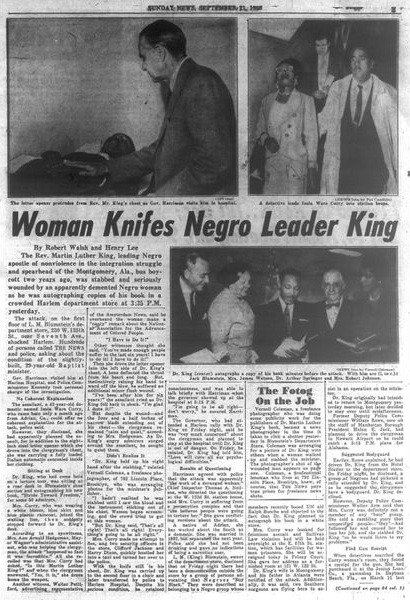
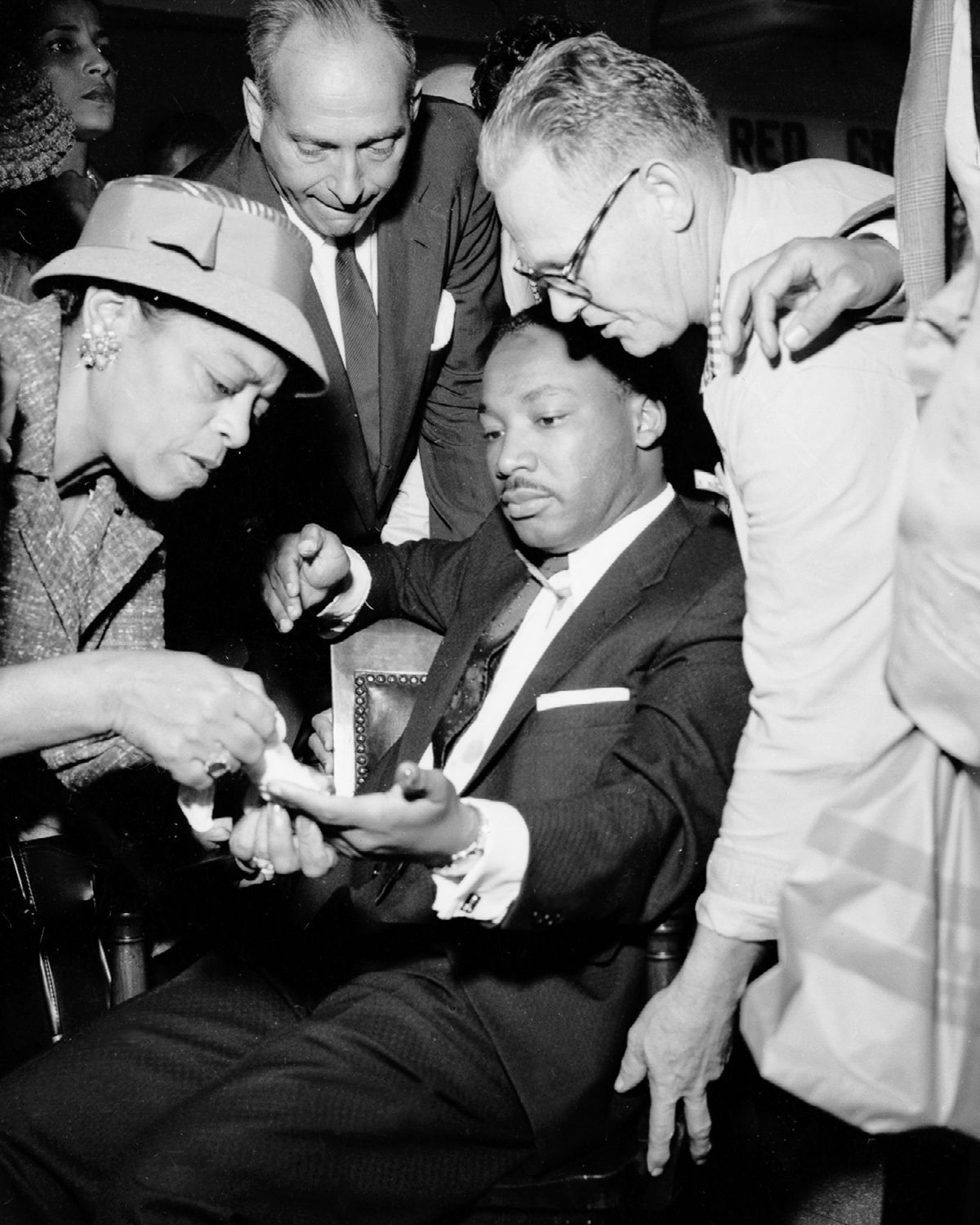
It’s a forgotten story in which the Civil Rights movement narrowly escaped a crippling blow in 1958. It’s also the story of the woman who tried to be an assassin and failed and is now very old, free, and living a mostly anonymous life here in New York City. Ten years before being cut down by an assassin’s bullet in 1968, Reverend Dr. Martin Luther King Jr. came within a fraction of an inch of losing his life in an assassination attempt in New York City. At 3:30 pm on September 20, 1958 Dr. King was in Harlem on the ground floor of Blumstein’s Department store at 230 West 125th Street signing copies of his new book Stride Toward Freedom: The Montgomery Story. With about 20 people on line, a 42 year-old woman, Izola Ware Curry burst through the line, asking Dr. King if he was in fact Martin Luther King. When King affirmed he was, Curry said either “Why do you annoy me” or “I’ve been after you for six years,” and opened her purse, took out a letter opener, closed her eyes and suddenly plunged the steel blade into his left chest. The stunned Dr. King remained seated in his chair with the blade buried deep into his chest. Curry tried to leave the store but was seized quickly by those standing near Dr. King and held for the police. It was later discovered Curry also had an automatic handgun hidden in her bra. At the book signing there was no police protection for Dr. King and the first police officers who responded to the scene, Al Howard and Phil Romano, were nearby in their police car when they received a report of a disturbance at Blumstein’s. They arrived to see King sitting in a chair with the steel letter opener protruding from his chest. Officer Howard told King, “Don’t sneeze, don’t even speak.”
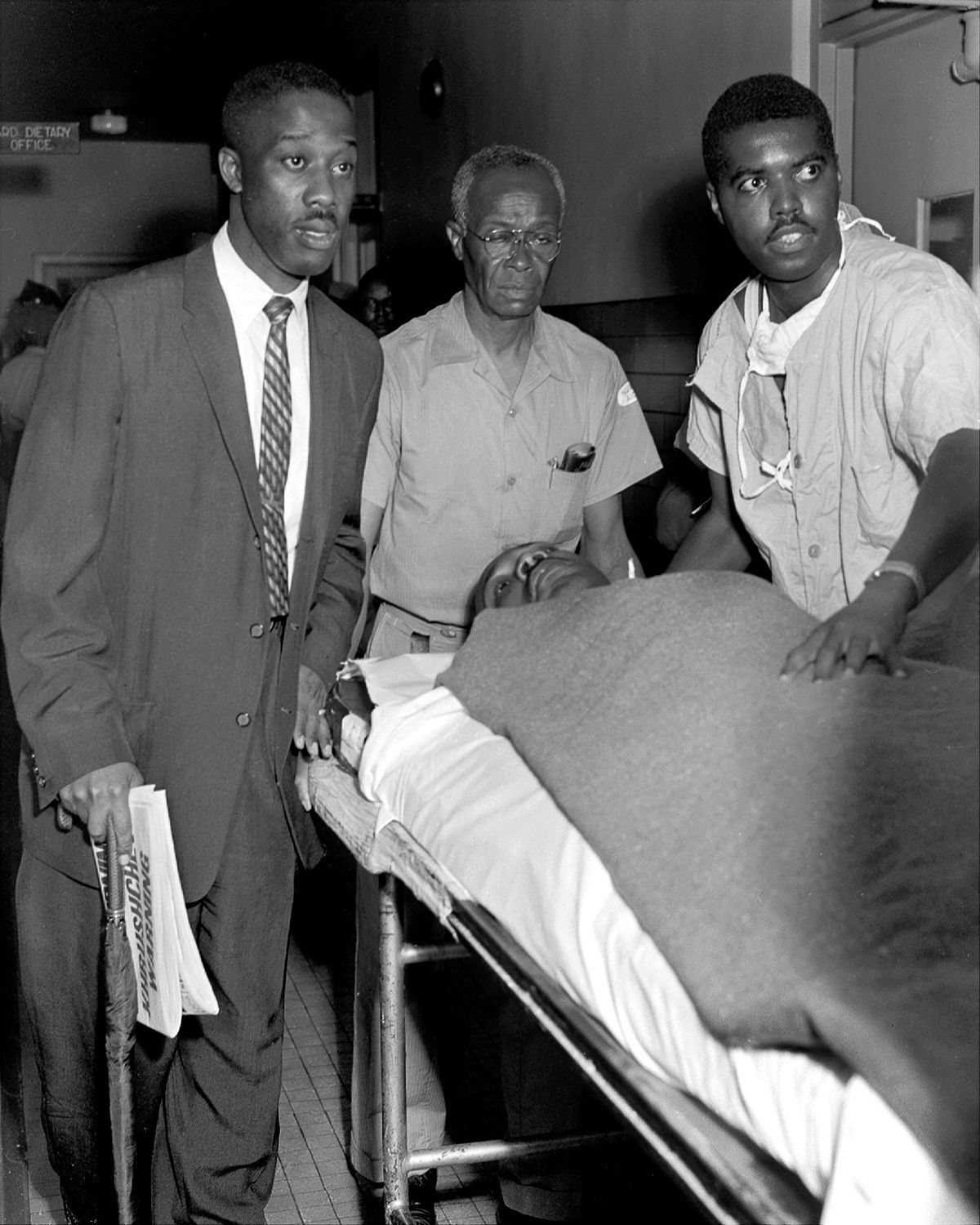
Officer’s Howard and Romano escorted Dr. King, still in the chair, down to an ambulance and rushed him to Harlem Hospital.
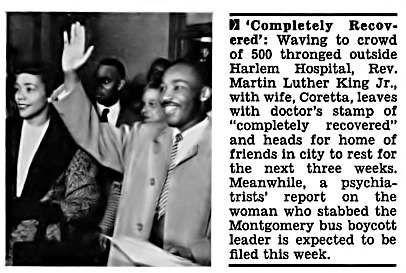
After waiting for the proper surgical team to arrive to perform the delicate operation, the Chief of Surgery Aubre Maynard attempted to pull out the letter opener, but cut his glove on the blade. At 6:30 pm Dr. King underwent a two and a quarter hour operation. A surgical clamp was finally used to pull out the blade. After the surgery Dr. King was listed in critical condition. He contracted pneumonia while convalescing, but recovered completely and was released from the hospital two weeks after the attack.
In his posthumously published autobiography King wrote, “Days later, when I was well enough to talk with Dr. Aubre Maynard, the chief of the surgeons who performed the delicate, dangerous operation, I learned the reason for the long delay that preceded surgery. He told me that the razor tip of the instrument had been touching my aorta and that my whole chest had to be opened to extract it. ‘If you had sneezed during all those hours of waiting,’ Dr. Maynard said, ‘your aorta would have been punctured and you would have drowned in your own blood.'”
Ten years of world changing civil rights progress that Martin Luther King achieved might never have occurred had Izola Curry succeeded in her attempt.
Curry was arraigned the next day before Magistrate Vincent Rao who said “I understand this is the woman who is accused of stabbing the Reverend Dr. King with a knife.”
Curry shouted back at him, “No, it was a letter opener.”
Curry later interrupted the arraignment, shouting, “I’m charging him as well as he’s charging me.”
Magistrate Rao replied, “What have you got against him?”
“I’m charging him with being mixed up with the Communists. I’ve reported the case to the FBI and it’s being looked into.” Curry answered.
“This woman is ill,” said Rao and he ordered Curry committed to Bellevue.
A grand jury later indicted Curry for attempted first-degree murder.
Curry was diagnosed with paranoid schizophrenia and two psychiatrists who examined her reported that she had an IQ of 70, “low average intelligence,” and was in a severe “state of insanity.” Curry was committed to the Matteawan State Hospital for the criminally insane. She expressed no remorse for trying to kill Dr. King.
After being committed Curry remained mostly forgotten.
That is until some excellent investigative reporting by The Smoking Gun web site which discovered in July 2014 that Curry is still alive and at age 98, living in a Queens nursing home.
According to the Smoking Gun: Curry spent nearly 14 years at the upstate Matteawan State Hospital for the criminally insane before being transferred in March 1972 to the Manhattan Psychiatric Center on Ward’s Island in upper Manhattan. She spent about a year there before officials placed her in the Rosedale, Queens home of a woman certified through the state’s “Family Care” program to provide residential care for those diagnosed with mental illnesses.
An examination by a panel of Manhattan Psychiatric Center officials, Curry was judged to be “coherent, relevant, cooperative and no present danger to self or others.”
Curry remained in the “Family Care” program moving in with another family, until she fell and injured her left leg which prompted her admission to the long-term nursing home where she now lives.
Curry resides in the Hillside Manor nursing home in Jamaica, a no-frills facility with 300 beds on bustling Hillside Avenue. The 98-year-old lives in a small room with a twin bed that looks out onto a rear parking lot. Next to her bed is a walker and a side table that appears to hold the entirety of her possessions–a stack of books, a couple of framed photos, and a small pink stuffed animal.
When Curry was asked questions about Dr. King and the stabbing she furrowed her brow and gave a blank stare. While offering no recollections of the attack, Curry referred to “1958” and said that she was placed that year in a “hospital for the criminally insane.”
In 1958 Curry told investigators that her motive was self-preservation, “Because after all if it wasn’t him it would have been me, he was going to kill me.”
Dr. King’s impact on history is immense. Izola Ware Curry’s impact is that of a living footnote.
Inside the Friendship Between
MLK Jr. and the Surgeon
Who Saved Him
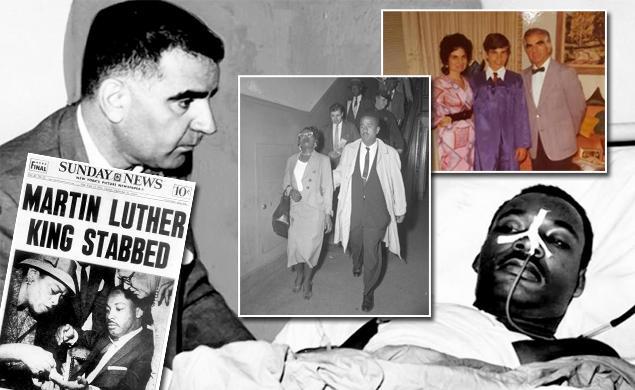
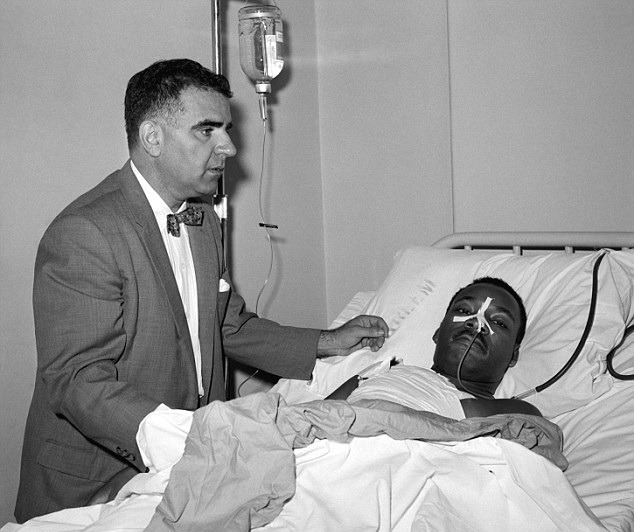
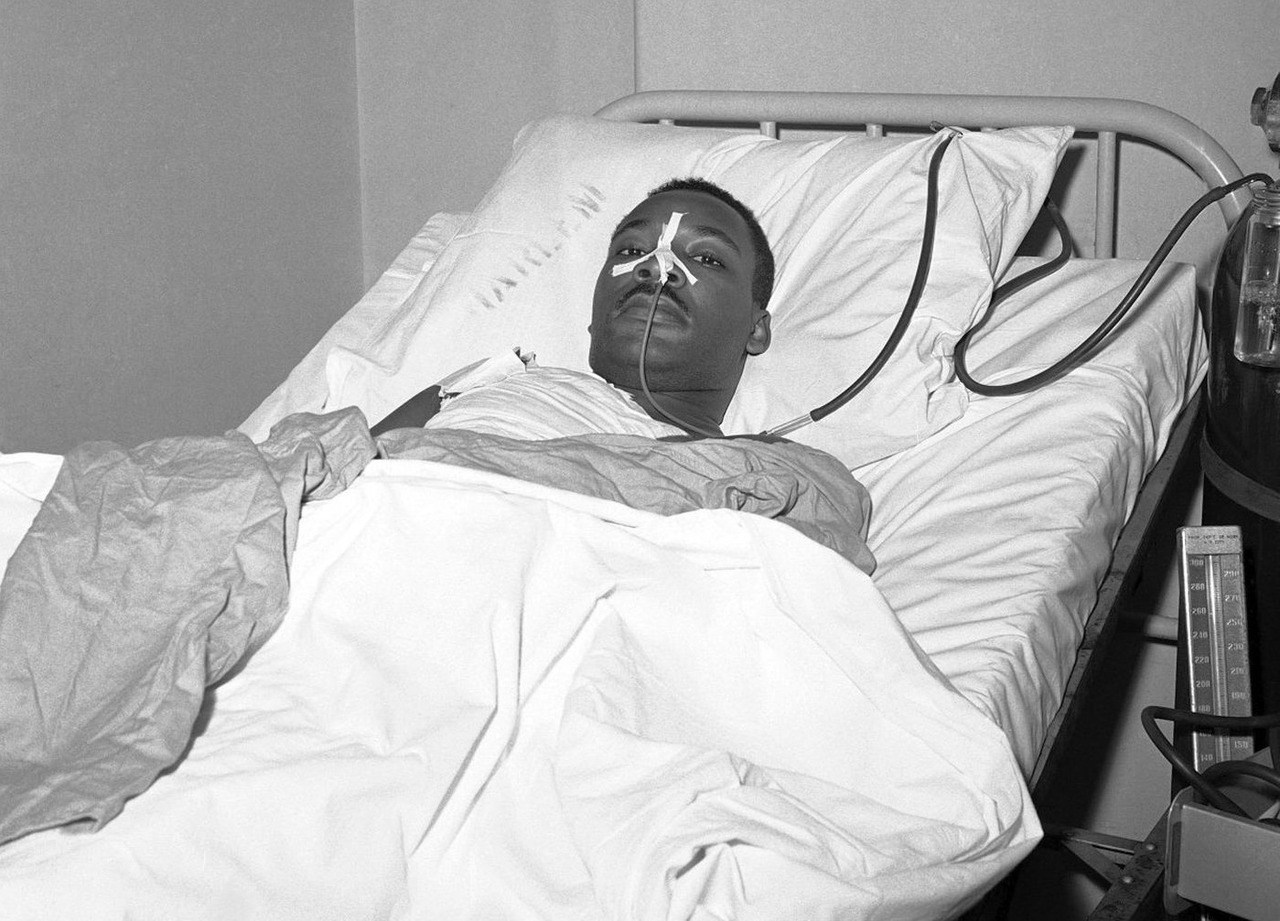
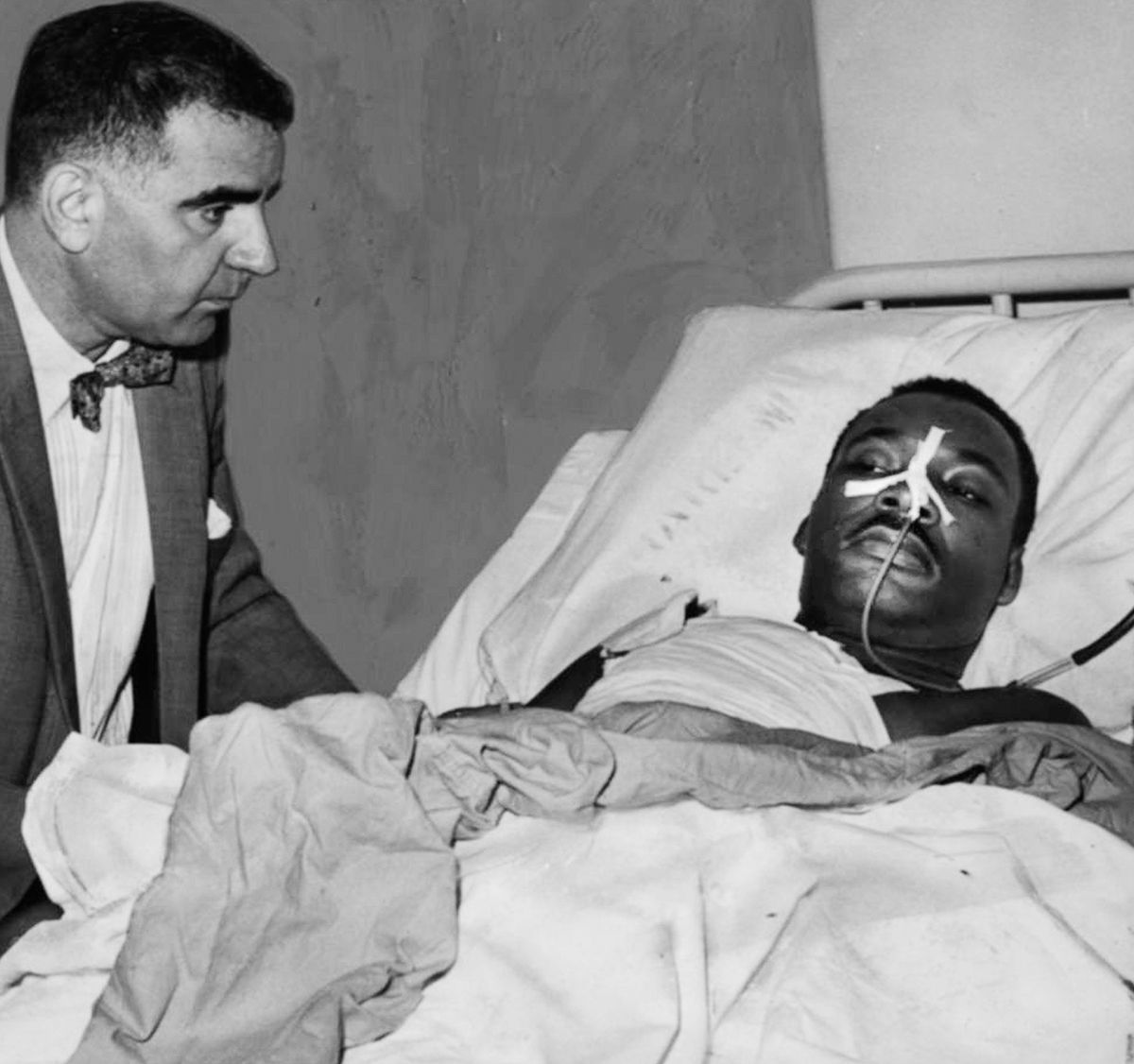
Dr. Emil A. Naclerio, member of the surgical team that operated on the Rev. Martin Luther King, at King’s bedside in Harlem Hospital in New York on Sept. 21, 1958.
(Dr. Naclerio was an Attending Physician at Columbus Hospital /Cabrini Medical Center)
The operation to remove the 7-inch piece of steel was overseen by Dr. Aubre Maynard, the hospital's chief surgeon, and performed by Dr. Emil Naclerio and Dr. John W.V. Cordice.
By Larry Celona and Max Jaeger
September 19, 2018
Rev. King, stabbed by Izola Ware Curry as he appeared at a Harlem Department store on September 20, was still on the critical list after an operation. As the nation prepares for the 50th anniversary of the 1968 assassination of the civil rights icon,
his 1958 stabbing has been largely forgotten, although he said on the
eve of his death a decade later, that had he merely sneezed, it would
have killed him.
The tip of Curry’s blade, King said, was on the
edge of his aorta, “And once that’s punctured, you’re drowned in your
own blood - that’s the end of you.”
Middle-aged and neatly dressed, Izola Ware Curry did not have the cut of an assassin.
And so, 60 years ago today, the beating heart of the civil rights
movement nearly ceased - until King was saved by two Harlem doctors.
If King had died that day, there would be no “Letter from a
Birmingham Jail” and no “I Have a Dream” building momentum for the Civil
Rights Act of 1964. The attention to housing rights that marked King’s
later career - and spurred the Civil Rights Act of 1968 - might never
have come into sharp focus.
“Without Martin Luther King Jr., there would be no civil rights
movement. My father allowed him those 10 extra years to continue the
movement,” Ron Naclerio, whose thoracic surgeon dad, Dr. Emil Naclerio,
helped save King, told The Post.
With Curry’s dagger still buried in his chest, King was rushed to
Harlem Hospital, where Dr. Naclerio and Dr. John Cordice were called in
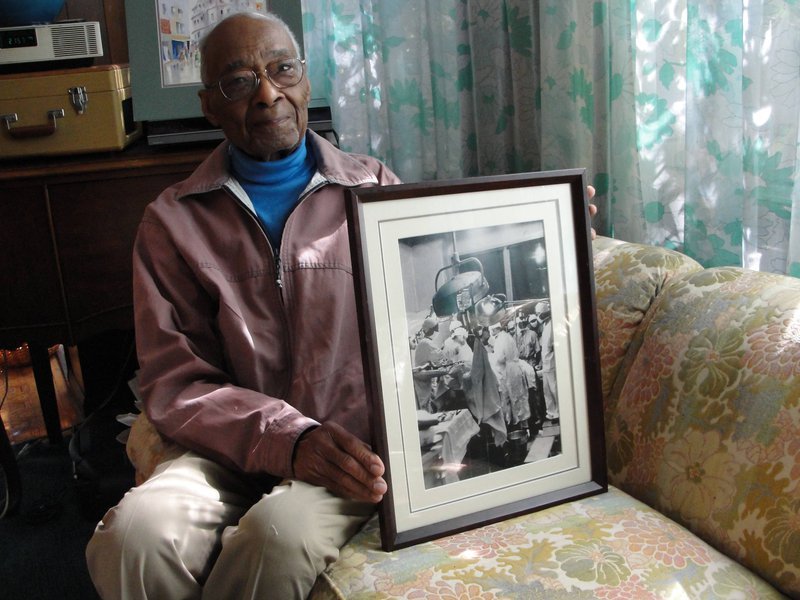
to save the leader of a burgeoning movement. Dr. John Cordice sitting in his home with a photo of the operating room the night Dr. King was stabbed
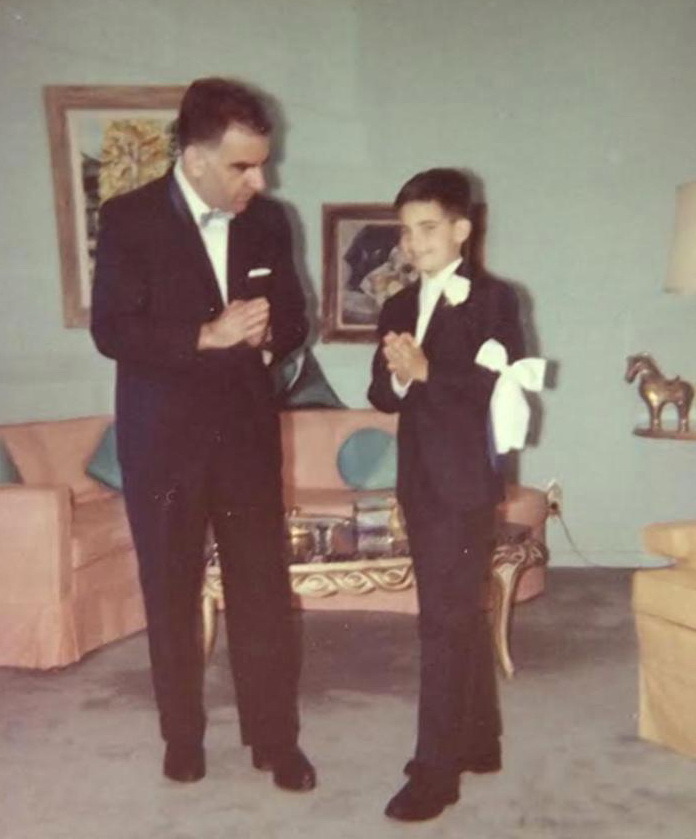
Naclerio was at home when the phone rang, his wife, Gloria, recalls.
“I remember we were getting ready to go to a wedding at the Waldorf. My
husband had a tuxedo on, and I had my gown on, when the kitchen phone
rang,” she told The Post last year, shortly before her death earlier
this year.
“My husband answered it, asked a few questions, then hung up.”
Then “he looked at me and said there was a change in plans. He was
going to take me to the wedding, but then he had go to work — he had an
emergency. He didn’t say who or what the emergency was. That was my
husband - he would have went to work no matter who the patient was.”
Curry’s blade was lodged in King’s sternum, just a hair’s breadth
from his aorta - the main artery that pipes blood from the heart to the
rest of the circulatory system - and Naclerio had to remove two ribs and
go into King’s torso from the side, the son said.
The delicate procedure took the two physicians and their support team two and a half hours.
‘King hugged my father, thanked him, exchanged numbers, and a strong 10-year friendship began
During his final speech a decade later, King would reveal that his
doctors told him the slightest movement — even a cough or sneeze — could
have irreparably ruptured the artery and drowned him in his own blood
in a matter of minutes.
“I want to say tonight, I, too, am happy I didn’t sneeze, because if I
had sneezed, I wouldn’t have been around in 1960, when students all
over the South started sitting in at lunch counters,” King said during
his “I’ve Been to the Mountaintop” speech in Memphis, Tenn., on April 3,
1968.
“He was devastated. It was like a member of the family was killed,”
Ron recalled. “He was very quiet all night, mostly staying in his
office.”
The intense reaction spoke to the deep friendship that Naclerio and King forged after the surgeon saved his life.
“When Dr. King was released, he bumped into my father on the
elevator,” Ron Naclerio said. “King hugged my father, thanked him,
exchanged numbers, and a strong 10-year friendship began.
“They talked and saw each other over the next 10 years, calling the
house on Thanksgiving and/or Christmas most years. They talked about a
lot of things, King respected and trusted my father, and he would bounce
thoughts and ideas off my father. I think they each thought of the
other as a genius.”
King would test out passages from his forthcoming speeches on
Naclerio, finding an intelligent ear and the kind of feedback only a
movement outsider could provide, Ron remembered.
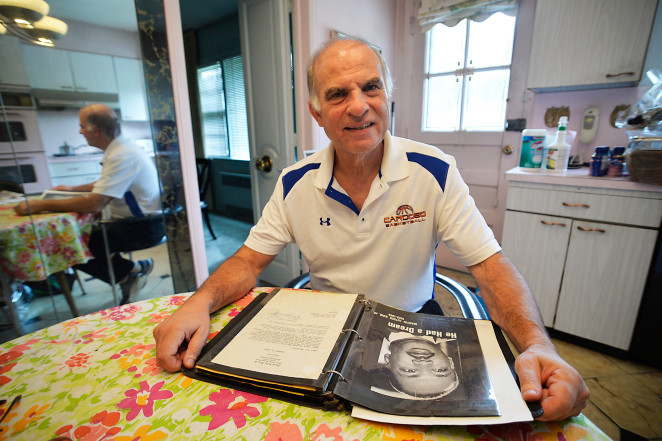
Ron
Naclerio sits in his Queens home kitchen looking through a scrapbook he
has about how his father, Dr. Emil Naclerio, saved the life of Martin
Luther King. Matthew McDermott
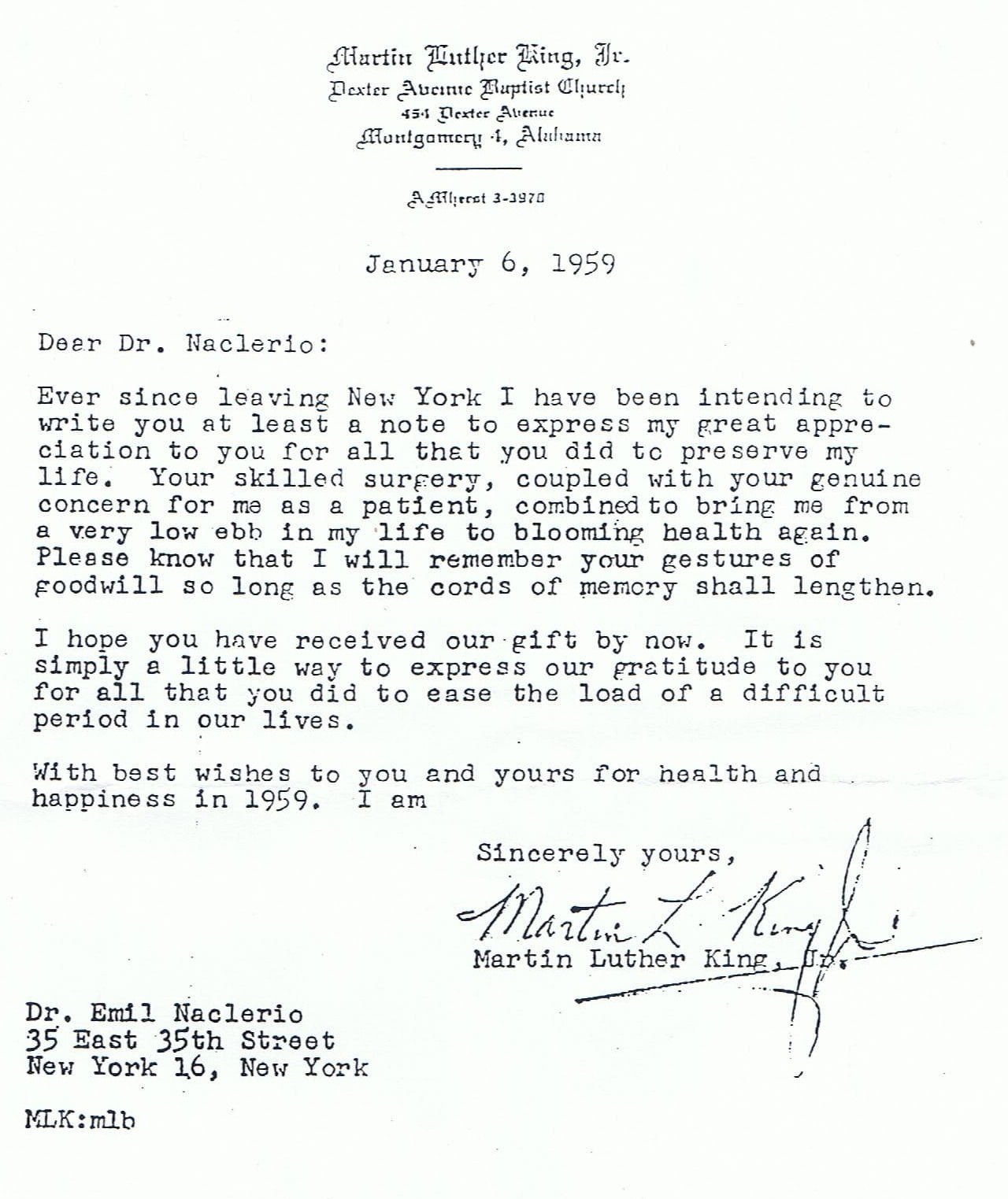
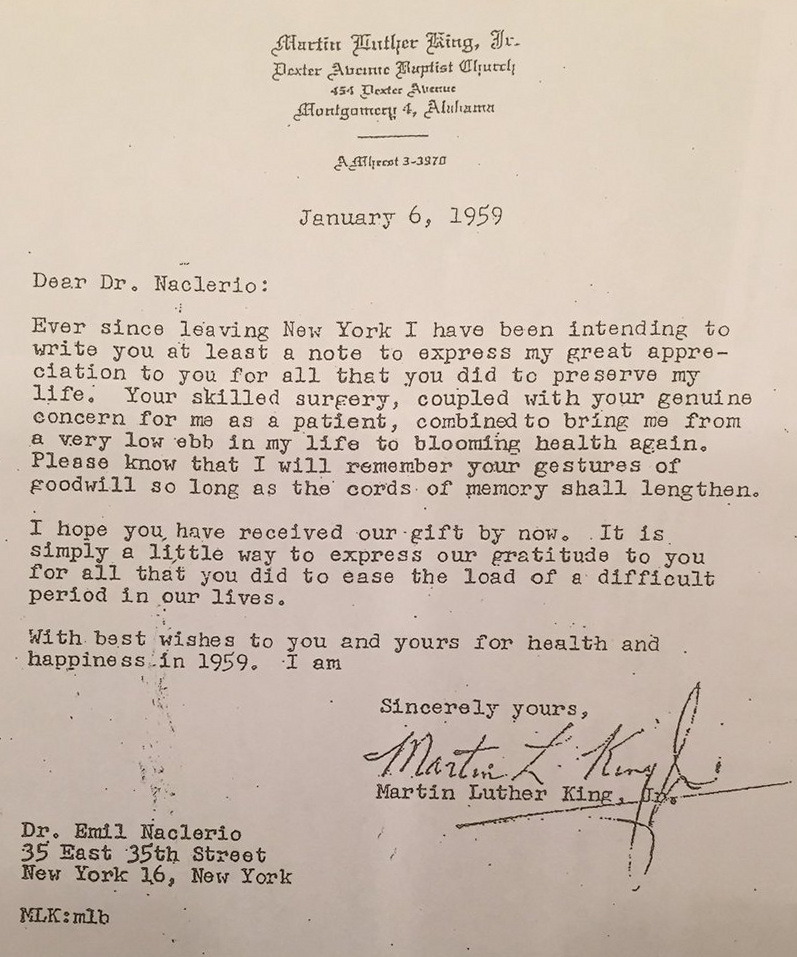
I want to share (maybe once again) this historic letter from Dr. Martin
Luther King, Jr. to my dad. Two of the greatest-Dr. King and Dr. Emil
Naclerio- a pioneer as a thoracic surgeon who devised how to put in Pace
Makers and the doctor who saved MLK' life
Emil A. Naclerio (March 21, 1915 – October 14, 1985)
American doctor and surgeon who is most notable for operating on Dr. Martin Luther King Jr. to save his life after a 1958 assassination attempt. 👇 🙏🏾 🙏 👇
Emil Naclerio
Il medico italiano che salvò la vita a Martin Luther Kingdi Manuela Cavalieri e Donatella Mulvoni
Era il 2013. Durante la presentazione di un documentario su King da Sylvia il ristorante di soul food più popolare di Harlem, ci siamo imbattute in Ron, allenatore di una squadra di baseball del Queens, ma soprattutto figlio di Emil Anthony Naclerio, il medico italoamericano che salvò la vita al reverendo Martin Luther King nel 1958.
Il medico italiano che salvò la vita a Martin Luther King Emil Naclerio
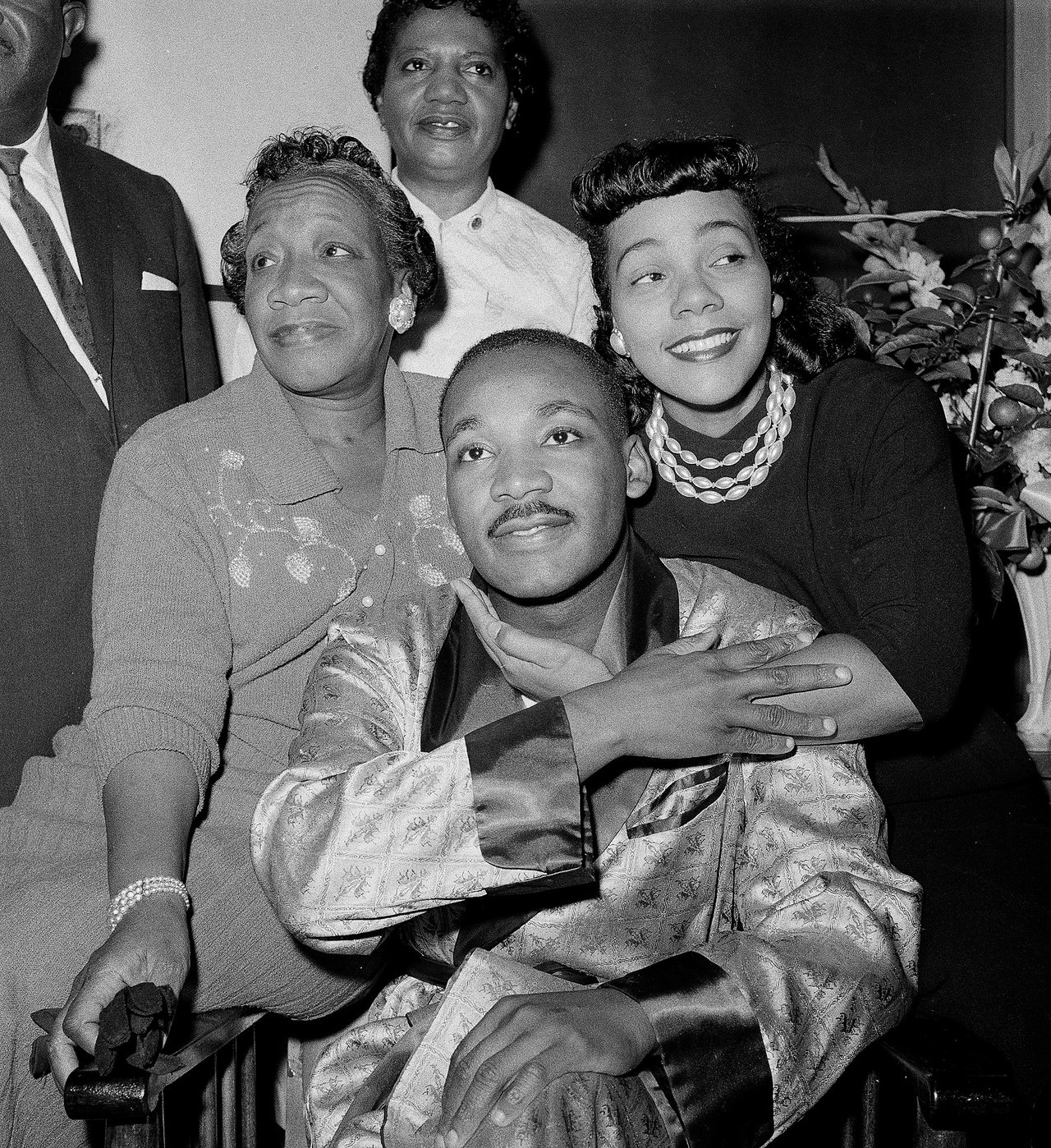
He's seen here recuperating with is mother (left) and wife (right).
Dr. Martin Luther King autographs a copy of his book minutes before being attacked. With Jack Blumstein, Mrs. James Watson, Dr. Arthur Springer and Mrs. Robert Johnson
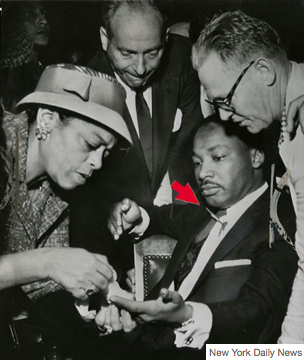
As seen below, a photo published on the front page of the
New York Daily News showed King with the letter opener sticking out of
his upper chest.
New York, NY - In honor of Dr. Martin Luther King Jr. Day we'd like to honor and acknowledge a man who was recognized as helping to save Martin Luther King Jr's life after he was stabbed in 1958. When Martin Luther King Jr. was rushed to Harlem Hospital, Dr. Emil Naclerio performed a life saving operation that kept the civil rights leader alive. Dr. Emil Naclerio's son went on to become the legendary high school basketball coach, Ron Naclerio (pictured) of Cardozo High School. Watch the touching video below of how Naclerio kept one of our nation's greatest leaders alive.


 https://paulcpw.blogspot.com/2020/01/mlk-day-day-to-reflect-on-his-life.html
 👇
👇 


.gif)

.gif)