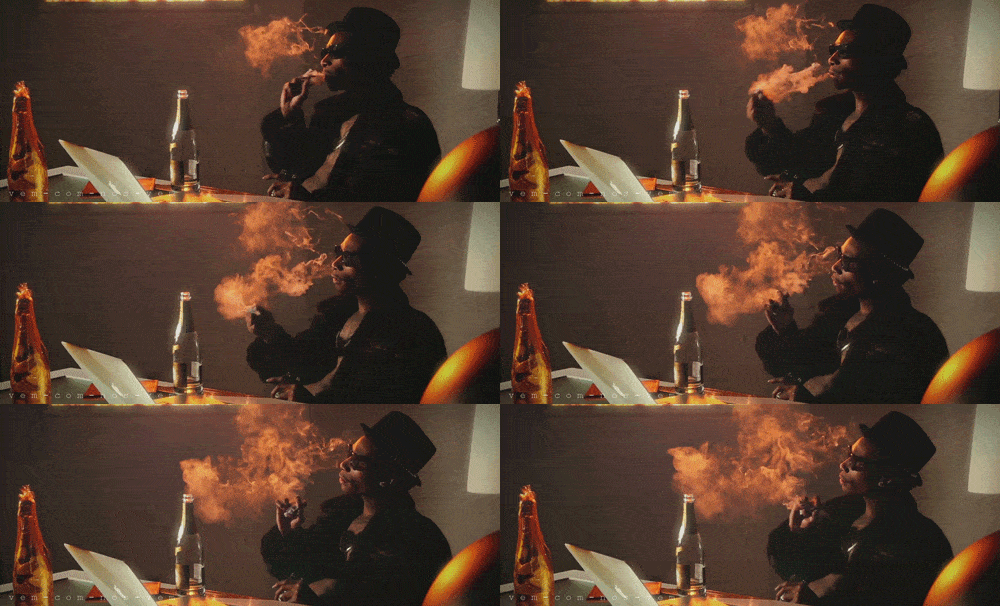
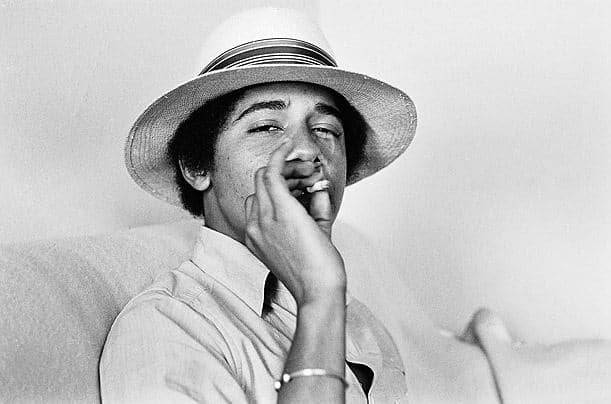
The Drug Enforcement Agency (DEA) is recruiting contractors to burn
large volumes of evidence, which includes drugs, and lots of them. One
of the requirements that the DEA has reportedly listed is the ability
for the contractor to burn at least 1,000 pounds of marijuana per hour
and for a minimum of eight consecutive hours per day.
In addition to cannabis, the contractor will also need to be required to burn papers, cassette tapes, and pharmaceuticals.
The DEA seems to be careful about who they are handing this job over
to, as they are requiring extensive background checks and drug tests.
The DEA has also reserved the right to video record the contractor at
all times to make sure they aren’t taking any of the evidence for
themselves. The DEA also said that they will provide their own armed
guards to keep the contraband safe until the burn.
This will be a temporary job that will run until the end of September
and will be located in Texas—reportedly somewhere near Houston.
After the story of the open contract hit the news, the DEA made the following statement and distributed it to the media:
“Although we appreciate local citizens’ willingness to offer their help, this is a complicated, large-scale government contract we’re required by law to bid every few years, and there are usually only a handful of companies with the necessary facilities and resources to help us dispose of this material. While it makes for an interesting headline, the truth is far more prosaic – our agents working across the Houston Division make a huge number of great cases, and as a result, we seize a tremendous amount of illegal drugs. Arranging for the save and effective destruction of these drugs is just part of the job”
It makes sense that the DEA would need to hire someone to incinerate
evidence, but it seems a bit ridiculous that they would need to burn
such large amounts of cannabis. The fact that they are requiring a
contractor to burn 1,000 pounds of cannabis per hour, must mean that
they are still confiscating at least that amount. As states across the
country are choosing to legalize cannabis, the war on weed is still
alive and well.
1. By the cross, sad vigil keeping,
Never tiring, never sleeping,
Fain to watch, and watching, weeping,
Mother Mary standeth, fair.
Hers the grief by prophet spoken;
Hers the soul pierced thro' and broken;
Hers the Child of wondrous token
Still her love and only care. 2. List ye now, the Son is speaking!
While His foes their hate are wreaking,
He, in tender love, is seeking
Filial care in deed to prove.
In His gift of Son and mother
He does prove Him Son and Brother,
Healing grief as can no other—
Conq'ring death in deathless love!
Stabat Mater Dolorosa
At the Cross Her Station Keeping
Stabat Mater Dolorosa is considered one of the seven greatest Latin hymns of all time. It is based upon the prophecy of Simeon that a sword was to pierce the heart of His mother, Mary (Lk 2:35). The hymn originated in the 13th century during the peak of Franciscan devotion to the crucified Jesus and has been attributed to Pope Innocent III (d. 1216), St. Bonaventure, or more commonly, Jacopone da Todi (1230-1306), who is considered by most to be the real author.
The hymn is often associated with the Stations of the Cross. In 1727 it was prescribed as a Sequence for the Mass of the Seven Sorrows of Mary (September 15) where it is still used today. In addition to this Mass, the hymn is also used for the Office of the Readings, Lauds, and Vespers for this memorial. There is a mirror image to this hymn, Stabat Mater speciosa, which echoes the joy of the Blessed Virgin Mary at the birth of Jesus.
Stabat Mater (Latin for "the mother was standing") is a feature in the Crucifixion of Jesus in art in which the Virgin Mary is depicted under the cross during the Crucifixion of Christ.
In these depictions, the Virgin Mary is almost always standing to the
right hand side of the body of her son Jesus on the Cross, with Saint John the Apostle standing to the left. It contrasts with the swoon of the Virgin, where she is seen fainting. This is only seen from the late medieval period onwards.
Stabat Mater is one of the three common artistic representations of a sorrowful Virgin Mary, the other two being Mater Dolorosa (Mother of Sorrows) and Pietà.
In the Stabat Mater depictions the Virgin Mary is represented as an actor and spectator in the scene, a mystical emblem of faith in the Crucified Savior, an ideal figure at once the mother of Christ and the personified Church. The depictions generally reflect the first three lines of the Stabat Mater poem:
At the Cross her station keeping, stood the mournful Mother weeping, close to Jesus to the last". The concept is also present in other designs, e.g. the Miraculous Medal and the more general Marian Cross. The Miraculous Medal, by Saint Catherine Labouré in the 19th century, includes a letter M, representing the Virgin Mary under the Cross. The Marian Cross is also used in the coat of arms of Pope John Paul II, about which the Vatican newspaper, L’Osservatore Romano,
stated in 1978: "the large and majestic capital M recalls the presence
of the Madonna under the Cross and Her exceptional participation in
Redemption." https://en.wikipedia.org/wiki/Stabat_Mater_(art)
👇 ♪ 📺 ♪ 👇
*
Stabat Mater for soprano, contralto, strings and basso continuo by Giovanni Battista Pergolesi (1710-1736) Margaret Marshall (soprano) Lucia Valentini Terrani (contralto) Leslie Pearson (organ) London Symohony Orchestra Claudio Abbado (conductor) Recorded in 1985
00:00 "Stabat Mater Dolorosa" 04:39 "Cujus animam gementem" 07:47 "O quam tristis et afflicta" 10:22 "Quae moerebat et dolebat" 13:12 "Quis est homo"—"Pro peccatis suae gentis..." 16:14 "Vidit suum dulcem natum" 19:48 "Eja mater fons amoris" 22:42 "Fac ut ardeat cor meum" 25:23 "Sancta mater, istud agas" 31:22 "Fac ut portem Christi mortem" 35:06 "Inflammatus et accensus" 37:57 "Quando corpus morietur" —"Amen..."
Giovanni Battista Pergolesi: Stabat Mater Nathalie Stutzmann, conductor Philippe Jaroussky, countertenor Emöke Barath, soprano Recorded at the Château de Fontainebleau, France, April 2014. Video by Ozango / ARTE France.
You obviously know that going to bed too late, smoking, and eating too
much is unhealthy for you. But sometimes even the most harmless habits
can present danger to our health.
Did you know you could end up in the
hospital if you stifle your sneeze? Or that chewing gum can make you
feel less focused?
Or that while reading in bed, you’re putting your
eyes and spinal cord?
Bright Side has compiled a list of habits that seem harmless but
actually pose great danger to our health.
Imagine what would happen if you tried to shoot a gun when the barrel
was covered. The same happens inside your nose - the entire power of the
sneeze goes back and can hurt your hearing, increase your blood
pressure, and damage your esophagus.
- Dentists don’t like toothpicks. They are quite harmless to the enamel,
but the gums are in danger.
- It's pretty harmful to sleep facedown on your pillow. In this
position, breathing is hard, the neck is in an unnatural position, blood
circulation worsens, and your neck vertebrae are in danger.
- Do you like sunflower seeds? If so, do you shell them with your teeth?
If you answered yes, your teeth and gallbladder might be suffering! The
proper way to shell seeds is with your hands — never with your teeth.
- People who love chewing on pens, pencils, paperclips, and other solid
objects usually have huge enamel problems as they are hurting their
teeth, gums, and mouth.
- In June 2018, a 10-year-old gamer from Great Britain was hospitalized
after he spent 8 hours playing a game nonstop. His intestines and
bladder were so bloated that doctors thought he had a cancerous tumor.
- If you love taking a shower in very hot water, it’s high time you
stopped doing so. It’s damaging for your brain vessels and can give you a
bad headache and dizziness.
- If you touch your face with your hands fairly often, you can get a
whole variety of different skin infections like acne, herpes, and many
more.
- If you chew gum before eating, you can get gastritis and possibly an
ulcer. Chewing gum is also harmful to your teeth.
- Never read lying on your side. The distance to the book will
constantly change, and your eyes will have to do more work.
- Back in 2002, scientists from Harvard University calculated that more
than 600 species of microorganisms live in people’s mouths. Blood on a
wound is the perfect place for them to thrive.
- Most people strain their vocal cords when whispering. This increases
the chances of micro injuries of the larynx, which is especially
dangerous for people who have to talk a lot.
- Sitting on the toilet for more than 5 minutes increases the pressure
in your veins.
- When you need to wash your nose with a solution, you don’t want it to
go too deep. Soak a cotton swab in the solution, and cover the inside of
your nostrils with it.
Things You've Been Doing Wrong
All Your Life
This video is about things that we do all the time. Apparently, our entire life we’ve been doing them the wrong way, while a much easier solution was right there under our nose. Most of these tricks are so simple, but most of us never knew they existed.
At The Met - Fifth Avenue October 4, 2018 – Ongoing
"The installation of the Diker Collection in the American Wing fundamentally recognizes the aesthetic and cultural importance of Indigenous American art forms. It also enables us to think about our national histories in different, more complex ways."
Masterworks of American Indian Art
From the Diker Collection
👇 VIDEO 👇
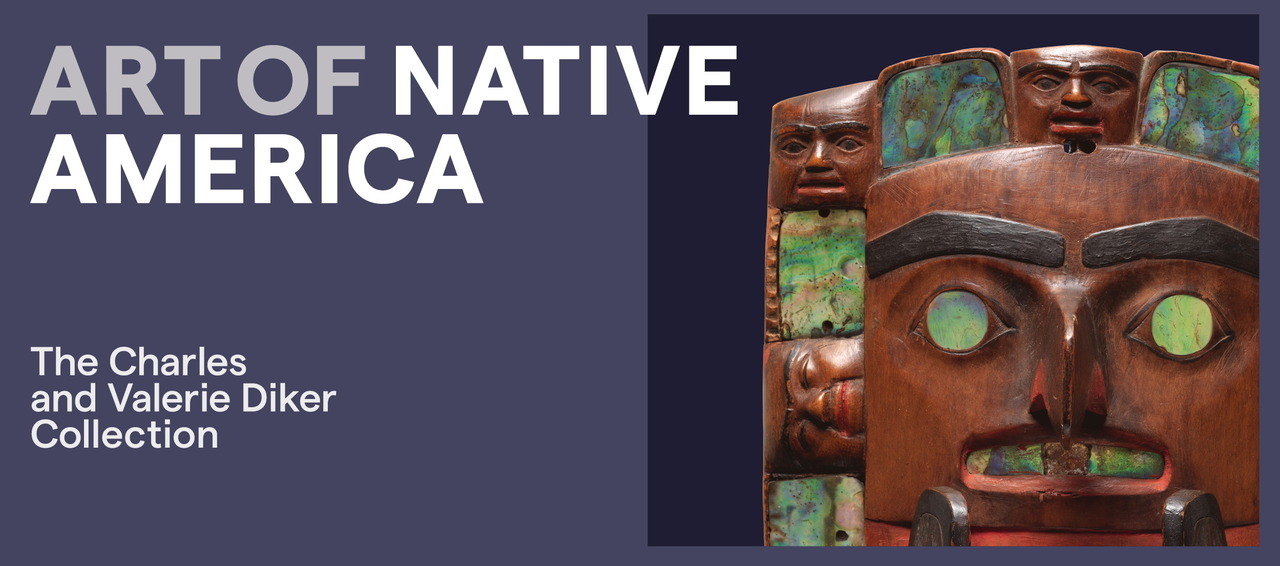
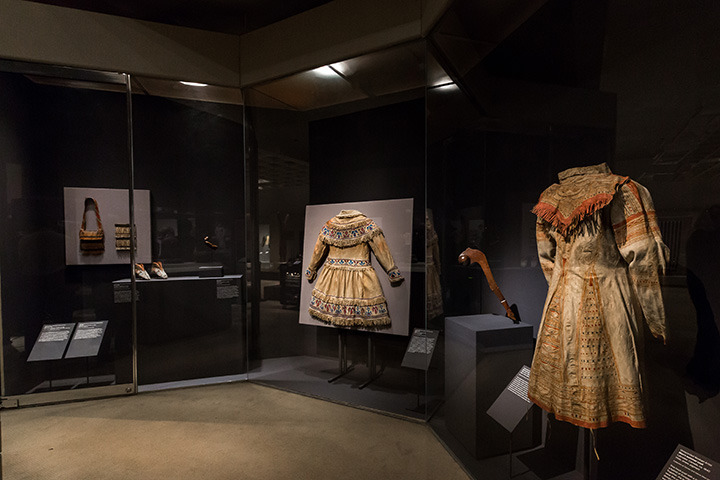
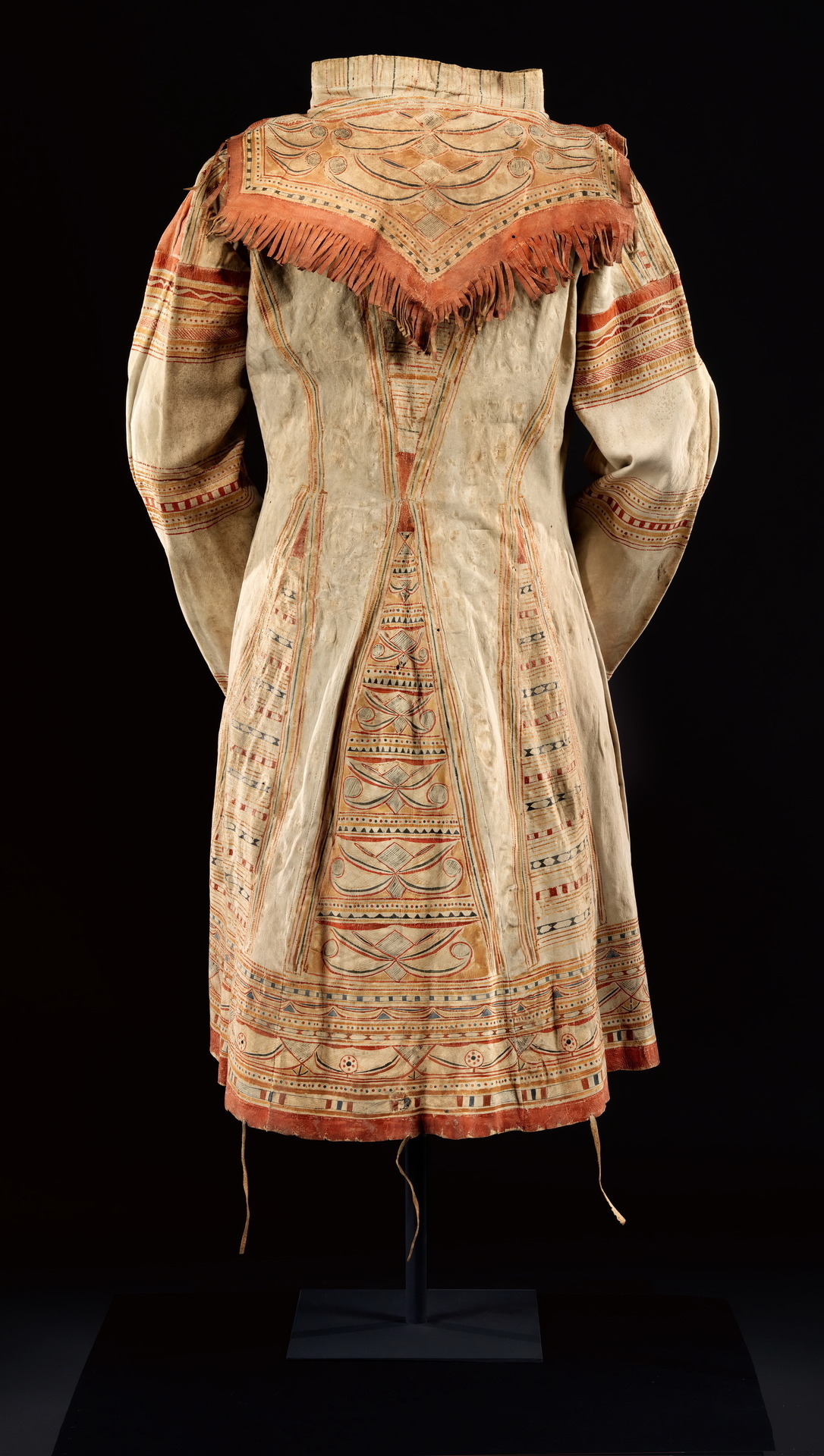
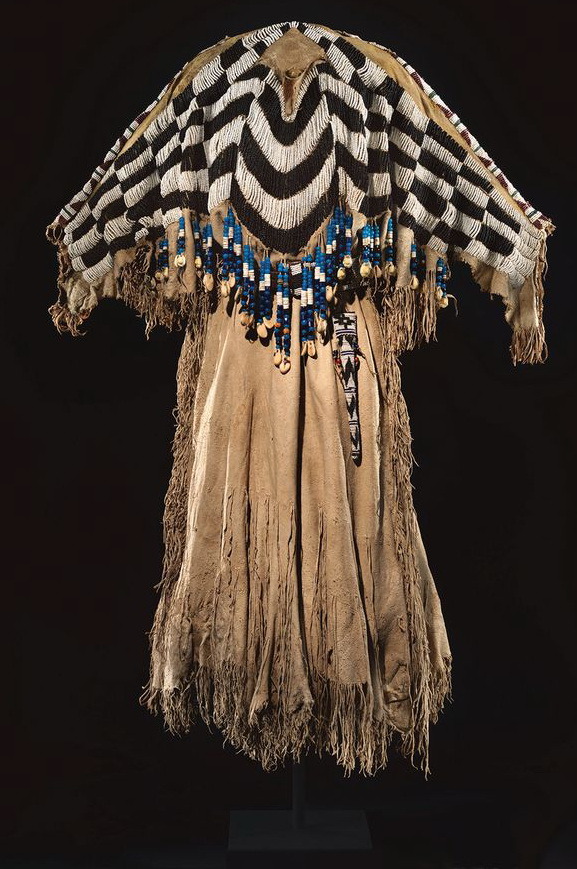
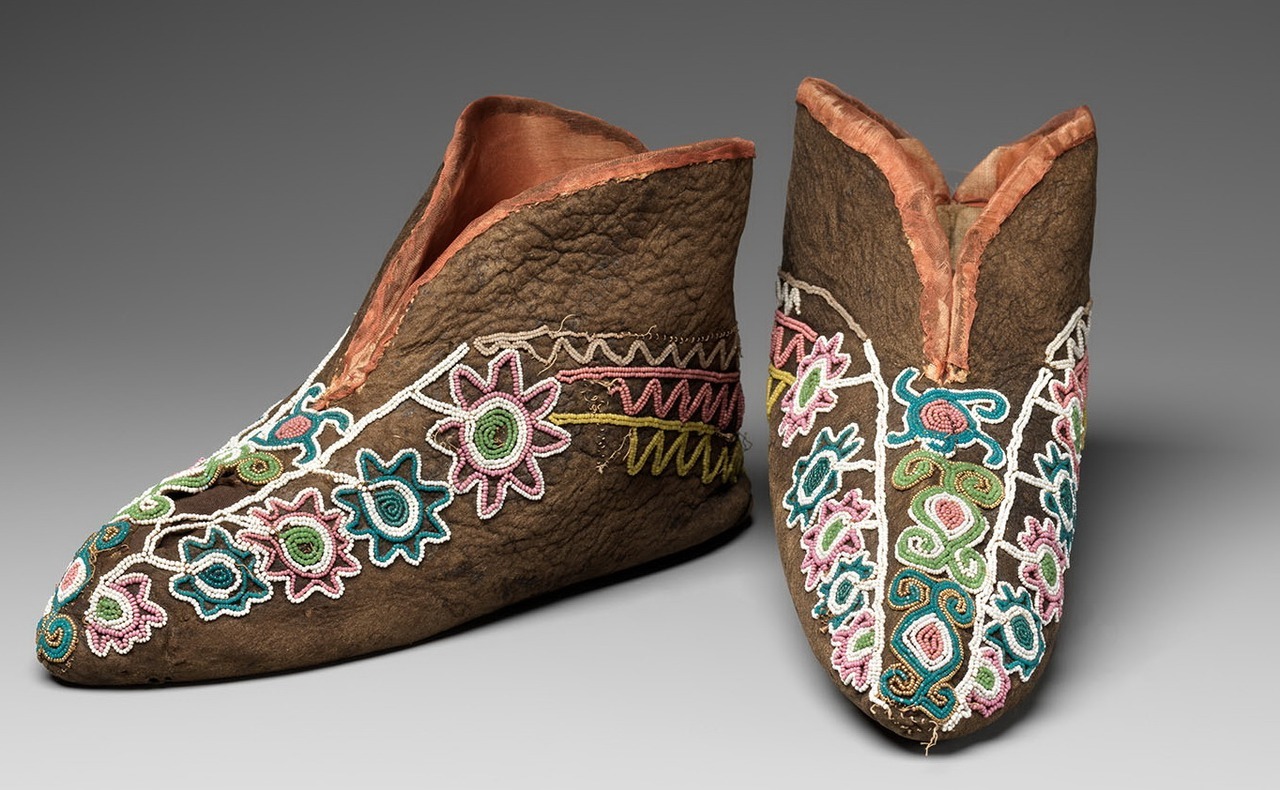
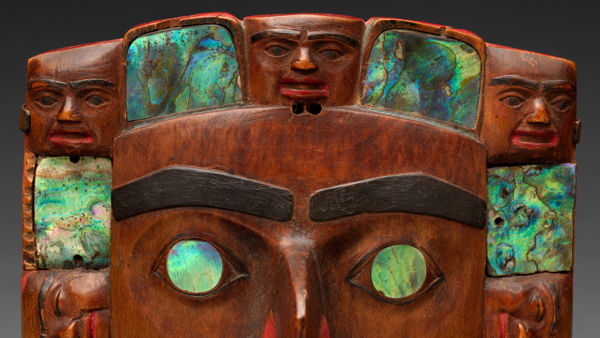
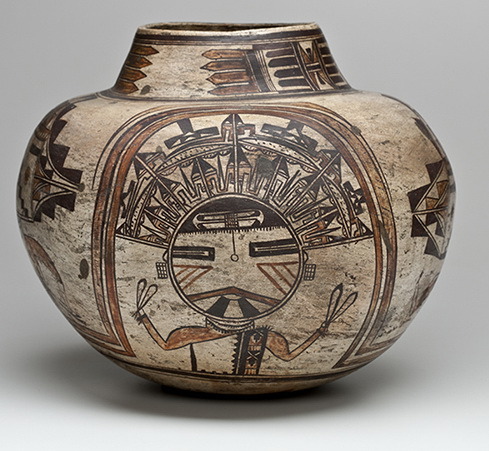
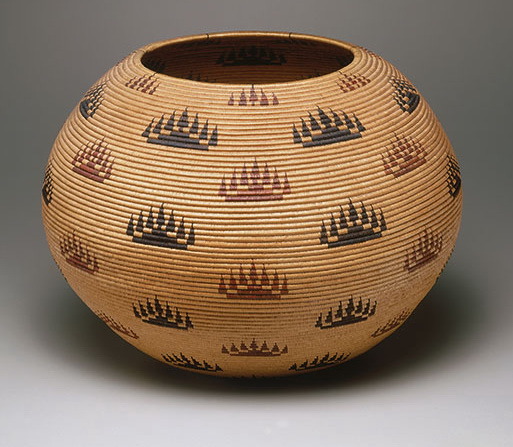
The Charles and Valerie Diker Collection is widely considered to be the most significant private holdings of historical Native American art, both in its temporal depth and regional diversity. It features paintings, drawings, sculpture, ceramics, baskets, and textiles by both identified and unrecorded makers, representing the extensive artistic achievements of culturally distinct Indigenous peoples throughout North America and across time, from the second to the twentieth century.
The collection also reveals a broad range of artistic traditions from more than fifty different groups in seven geographic regions: Woodlands, Plains, Plateau, California and Great Basin, Southwest, Northwest Coast, and the Arctic.
Among the key strengths of the collection are sculptural objects from British Columbia and Alaska; California baskets; pottery from southwestern pueblos; Plains drawings and regalia; and rare accessories from the eastern Woodlands. In these terms, the Diker Collection is a transformative promised gift for The Met, strengthening and expanding the scope of our holdings and enriching the stories we are able to tell about a more broadly defined American art.
This first-ever inclusion of a collection of Native American art in The Met's American Wing, which has been primarily devoted to Euro-American art, marks a turning point for the Museum in the presentation and interpretation of North American cultural production. Well aware of the many debates and deeply held positions surrounding the collecting and display of Native American art by encyclopedic art museums, we are committed to thoughtfully and sensitively examining the foundational significance of Indigenous cultures to America's artistic heritage as well as to exploring the entangled histories of contact and colonization from both Native and non-Native perspectives.
Overall, the inaugural display in the American Wing of Art of Native America: The Charles and Valerie Diker Collection—on view through October 6, 2019— fundamentally recognizes the aesthetic and cultural importance of Indigenous American art forms. It also enables us to consider our national histories in different, more complex ways. Sylvia Yount Lawrence A. Fleischman Curator in Charge The American Wing
Installation Tour of Art of Native America
1/9: Introduction
👇 VIDEO 👇
This landmark exhibition in the Museum's American Wing showcases 116 masterworks representing the achievements of artists from more than fifty cultures across North America. Ranging in date from the second to the early twentieth century, the diverse works are promised gifts, donations, and loans to The Met from the pioneering collectors Charles and Valerie Diker.
Long considered to be the most significant holdings of historical Native American art in private hands, the Diker Collection has particular strengths in sculpture from British Columbia and Alaska, California baskets, pottery from southwestern pueblos, Plains drawings and regalia, and rare accessories from the eastern Woodlands.
April 13, the Internacional Kiss Day! Do you know how many types of kisses exist? If you don't check out the video and enjoy it with your partner as well! 13 de Abril - Dia Internacional do Beijo. Sabes quantos tipos de beijos existe? Se não sabes clica play no vídeo e confere tudo!!
👄 Kissing Challenge 👄
International Kissing Day
We got these five couples to guess the words for kiss in 9 languages for International Kissing Day.
And kiss while at it ;)
💏How To Kiss In 9 Languages💏
Kissing, it seems, is a rather complicated business. Not only is there a plethora of tonsil-tennis vocabulary to learn, but there’s also a whole load of etiquette!
BY Ed M. Wood
Let’s play a game of word association: How many words can you think of in one minute for different kinds of kisses? Ready, steady, go!
How did you do? Did you start with the word kiss at the centre of your spider diagram and brainstorm outwards, or did you imagine a spectrum of kisses from the peck to the snog?
Here are a few other words you may have come up with: to smooch, to pucker up, to make out, to neck, to pet, to suck face, to buss, to plant a smacker, to greet.
How, where and why we kiss is largely determined by the culture in which we grow up. If someone from France were to play the word association game above, la bise would have been one of the first words they jotted down. La bise denotes the act of greeting a friend or acquaintance with up to four kisses on the cheek, with numbers varying by the region of France in which you find yourself. For us English speakers, the verb “to greet” seems conspicuously out of place in the list above, and we don’t really have a word for la bise, which suggests we associate kissing less with salutatory formality and more with dance-floor romances.
With the honorable aims of broadening your cultural horizons, equipping you with essential vocabulary for your world tour of whirlwind romance and, of course, dramatically improving your word association skills, we’ve collected kissing lexicon and etiquette from nine different languages. Without further ado, let’s get started with a few cousins of the English verb to kiss.
👇 📺 👇
Italian: Baciare (v), Bacio (n)
In
Italy, relatives and friends greet each other with two kisses, or due baci on their cheeks, starting from the right. This habit is so common that in order to encourage someone to meet and greet you, they may say almeno dammi due baci! (at least give me two kisses). Teenagers use the verb limonare (lit. “to lemon”) to indicate the romantic kiss that the everyone else, surprisingly, calls the bacio alla francese (french kiss), or bacio alla fiorentina (Florence kiss).
French: Embrasser (v), Baiser (n)
French
is often considered one of the most romantic languages, and a few romantic terms in English are prefixed by the word French: just think of the French kiss, which the Germans and Dutch refer to as a (much less ambiguous) “tongue-kiss” (Zungenkuss in German and Tongkus in Dutch).
Spanish: Besar (v), Beso (n)
You’ll
often hear friends bidding farewell to one another on the phone and in person with un beso. It’s very common for friends and acquaintances to greet one another with dos besos, or two kisses, starting on the right cheek and then moving to the left. The diminutive besito is frequently used, and the augmentative besazo also exists. The verbs morrear (morreo as a noun) and besuquear mean “to smooch,” although both are more commonly used with the verb dar (to give): dar un morreo (to give a
snog).
Portuguese: Beijar (v), Beijo (n)
Like
in Italian and Spanish, the Portuguese word for “to kiss” comes from the Latin basium. In Brazil it is very common for people to greet each other with kisses on the cheek, even if they’ve only just met. The amount of kisses depends on the part of the country: in São Paulo, for example, it’s one, and in Rio, it’s two. And in the southern state of Rio Grande do Sul, it’s three! On the phone, the word beijo is also sometimes used to replace “goodbye.”
German: Küssen (v), Kuss (n)
The English word kiss is related to the German word küssen by way of the Old English cyssa. It also has cognates in Dutch, Danish and Swedish. A peck on the lips would be translated as a Küsschen, where the suffix -chen turns the noun into a diminutive. At the other end of the spectrum you have the wonderfully onomatopoeic Schmatzer and Knutscher. You can also use knutschen as a verb, which would translate as to snog or to smooch. Finally, Germans don’t make out, they make around: to make out is rummachen (rum- is “around,” and -machen is “to make”).
Dutch: Kussen (v), Kus (n)
Another close relative of the English “kiss,” the Dutch verb and noun resemble their German counterparts. However, the Dutch commonly use the slightly more informal verb zoenen (zoen as a noun) to describe two people kissing on the dance-floor. The equivalents of the German Schmatzer and Knutscher are the equally fabulous Smakzoen and Klapzoen (lit. smack kiss and clap kiss).
Swedish: Att kyssa (v), Kyss (n)
You’ll find the Swedish word att kyssa in love poems, and it brings to mind roses, weddings and heartfelt farewells at airports. In fact, you’re very unlikely to give anyone besides the person you’re involved with romantically a kyss. To talk about the kiss you gave your friend on the cheek you’d use the more informal verb att pussa, and for that somewhat drunken makeout session you had last Friday at a party, you’d probably use the verb att hångla.
Russian: Celovat (v), Potselui (n)
What is a real Russian kiss? The former Soviet leader Leonid Brezhnev showed the world a good example of the Russian potselui: strong and from the bottom of the heart. Russians have long considered kissing not only as a pleasant activity but also as a useful, practical one. The verb “to kiss” in Russian is celovat and has the same root as their word for “whole” (cely) and the word for “healthy” (celebny). In modern Russia, there are different types of kisses — those having to do with rituals, etiquette and, of course, romance. For instance, it is common to yell out the word Gor’ko (bitter) at weddings. The guests start to chant gorko! gorko! gorko! and the newlyweds kiss and kiss and kiss and kiss… In everyday situations, it’s typical for women to greet each other with a kiss on the cheek: potselui v sheku (поцелуй в щеку). Men may kiss too, but generally among relatives or good friends.
Polish: Całowac (v), Pocałunek (n)
The Polish language is particularly rich when it comes to words for kissing: there are many different types of kisses, each denoting a varying level of commitment to the object of affection. Examples include the verb całus, the nouns buzia, pocałune,całuski, buziaczki, and the all-time favorite cmok (referring to the kissing sound). But what are the differences between these? Buziak is rather informal — what a mother would say to a child: Daj buziaka mamusi! (Give mommy a kiss!). Całuski i buziaczki is often used in phone conversation: No to do zobaczenia, całuski (See you, kisses!) or in writing: Całuski i buziaczki z Włochy! (Many kisses from Italy!).