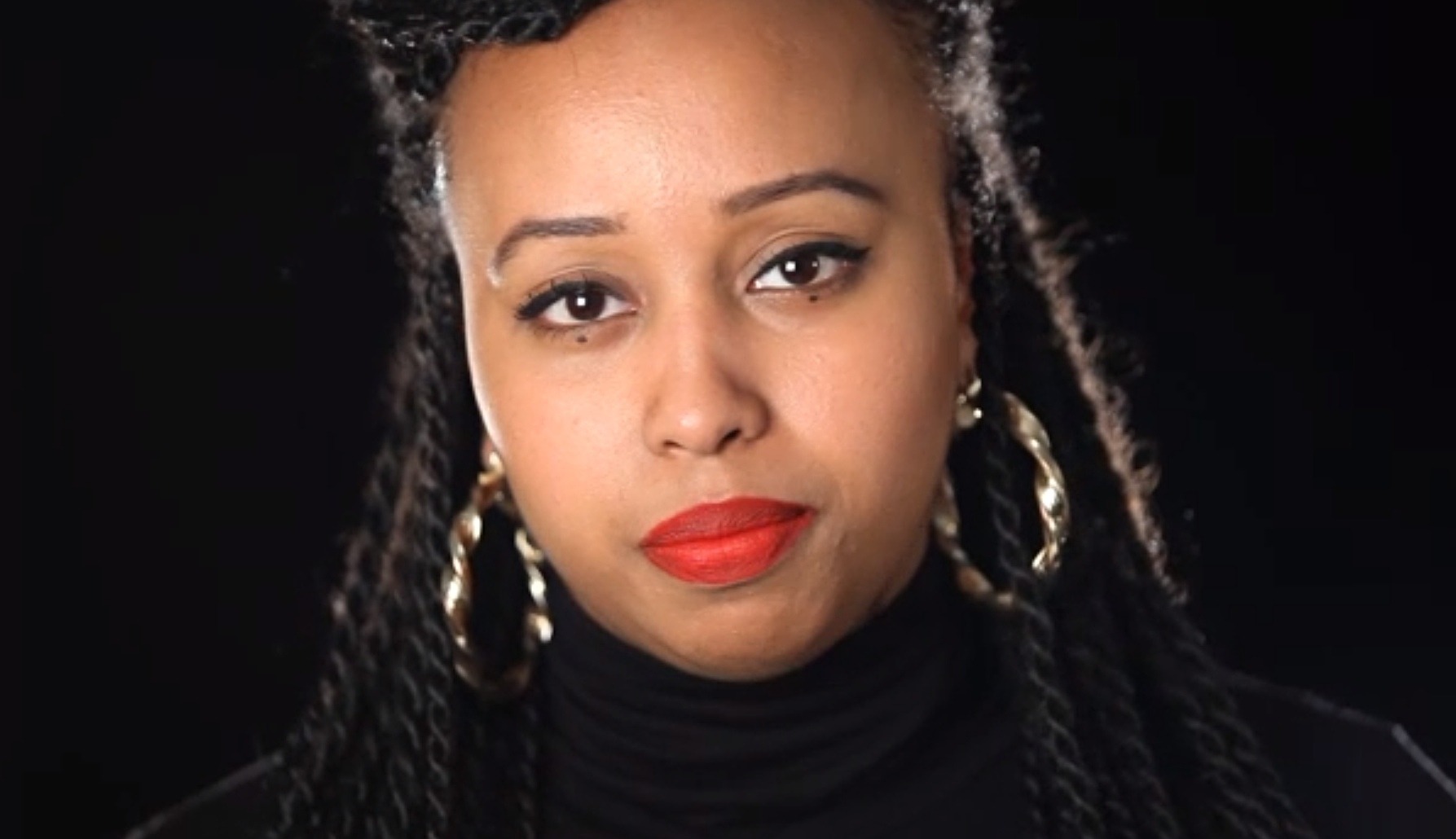
This video showcases an inspiring group of women singing a poignant song called “I Can’t Keep Quiet” during the Jan 21, 2017 Women’s March on Washington. It was written by the very talented Los Angeles musician MILCK, who led an acappella group in song as they walked around the D.C. area for the grassroots march, which was attended by an estimated half a million people. “The #ICANTKEEPQUIET project is dedicated to celebrating our unique voices and identities, in an effort to break the cycles of oppression perpetuated by today’s media,” the website for the song/project states.
👇 ♪ 📽️ ♪ 👇
These
women are from different states and never met till today.
♀️ 👩 👩🏿🦰 👩🏼 👩🏻 👩🦰 ♀️ They
practiced this song online. I was crying the whole time I filmed this.
MILCK - "Quiet" - Published on Jan 16, 2017 As a survivor of anorexia, abuse, and depression, I can say that I have let the overwhelming pressures of filling media/society's expectations of "how a woman should be" overwhelm and silence my inner voices - without even realizing I was doing it. Until... I just couldn't breathe anymore. As I live more days on this planet now, I can say with full confidence that there are no standards or rules worth crushing our soul bones to fit into. Life gets better when we just... let it out.I hope you enjoy, and feel empowered or comforted after watching.
If you see some of yourself in this video, please share and pass the word on. Much love to you.
👇 ♪ 📽️ ♪ 👇
Lyrics
“Quiet”
Written by MILCK and AG
Put on your
face
Cuz no one knows me no one ever will
Know your
place
if I don’t say
something, take that dry blue pill
Shut up and
smile
they may see that monster, they may run away
Don’t spread
your legs
But I have to do this, do it anyway
I could do
that
I can’t keep quiet, no oh oh oh oh oh oh
I can’t keep quiet,
no oh oh oh oh oh oh
But no one
knows me no one ever will
A one woman riot, oh oh oh oh oh oh oh
if I don’t say something, if I just lie still
Oh I can’t keep quiet
Would I be
that monster, scare them all away
If I let
the-em hear what I have to say
Let it out Let it out Let it out now
There’ll be someone who understands
I can’t keep
quiet, no oh oh oh oh oh oh
Let it out Let it out Let it out now
I can’t keep
quiet, no oh oh oh oh oh oh
Must be someone who’ll understand
A one woman
riot, oh oh oh oh oh oh oh
Let it out Let it out Let it out now
There’ll be someone who understands
I can’t keep
quiet For anyone Anymore
Let it out Let it out Let it out now
I can’t keep quiet
SECOND DAY - Woke up to 2.5 million views!
Hello world I'm a film and commercial director (www.almaharel.com)
and was in the march to support women of all races around the world
coming together and get heard. I did not know these women and the
artist. I now found out she goes under the name of MILCK (Icantkeepquiet.org)
and that she gathered women from all around the country to sing this
#Anthem at the #WomensMarch . They practiced it online using Skype and
they only met once before the march. Some met that day for the first
time! I was lucky or sent (depending on your preference) to stumble upon her.My phone's battery died from the cold and I was lost and with out my
friends who were back stage. I was wondering around trying to navigate
the incredible crowds when I found my self this pocket of space around
these women. When they started singing, I checked on my phone frustrated
that it's dead and it suddenly sprung back to life... :)
hence missing the beginning. This song and it's sentiment made me cry
tears of relief the whole time I was filming it. The beauty and the
harmony of their voices captured for me how women can come together to
find their voice. I find it healing and empowering in the best possible
way.
No one can explain you the feeling of being surrounded by
that number of women from every race who come together all around the
world. 627 marches! #TOGETHERWERISE None of us are free until we are all
free. This march was special because it accounted for all women of all
races. Women of color and poor women are most likely to suffer more from
this administration than anyone. Same goes for immigrants. We marched
for people who identify as LGBTQIA, Native people, Muslims, people with
disabilities and all our communities that "are hurting and scared".ALSO stop trying to tell us we don't know what's happening in the
middle east... I am from the middle east and this song is for women
everywhere.
Stop dividing us.
HUGE GRATITUDE to the 3 WOMEN
OF COLOR WHO ORGANIZED WOMEN'S MARCH @TamikaDMallory @lsarsour
@msladyjustice1 and to Angela Davis, Dolores Huerta, Gloria Steinem and
the millions of women who marched!Let me finish by posting all
the lyrics for I CAN'T KEEP QUIET. Let's make it our #Anthem. I hope to
sing it with you on our next march because WHEN WE HARMONIZE THEY CAN'T
DIVIDE US.
MILCK Performs "Quiet" With GW Sirens and Capital Blend Full Frontal with Samantha Bee
👇 ♪ 📽️ ♪ 👇
NPR - All Songs Considered
Robin Hilton
The Los Angeles-based singer known as MILCK knew she wanted to do
something memorable for the Women's March in Washington, D.C on
Saturday. So she contacted a small group of other singers from across
the country to coordinate a flash mob performance of MILCK's song "Quiet," an emotional rallying cry for self-empowerment and unity. The group of women rehearsed together via Skype and rendezvoused in D.C., where they performed a cappella versions of "Quiet" several times during the march.
Israeli director Alma Har'el captured part of one of the performances and posted it to her Twitter account and Facebook page, where it's accrued more than 8 million views.
The performance is unadorned and profoundly moving, capturing at least part
of the mood that settled on the march, with a balance of defiance and love.
MILCK says she wrote the song as a way of exorcising her own history of physical and sexual abuse. "With this song, I feel like I'm finally allowing my truest inner self to be expressed," she said in a prepared statement announcing the song, which was officially released days before the weekend marches. "In this time of fear, propaganda and discrimination, it is critical for our individual and collective voices to be heard. With this song, I'm saying I am NOT the woman who is going to stay quiet where there are figures who promote oppression. I want to encourage others to give a voice to whatever they may have silenced, political or personal."
With the omicron variant spreading rapidly, the United States is all but certain to see a sharp rise in breakthrough coronavirus
infections among vaccinated people. These cases were relatively rare in
the pre-omicron days, but the new variant has shown an ability to slip past the body’s first line of immune defenses. That means many Americans who have gotten the shots will at some point test positive.
Coronavirus vaccines
act like a shield against disease, not an impenetrable barrier, and
they offer protection against the omicron variant. Health authorities
say booster shots
of the Moderna or Pfizer-BioNTech vaccine are the best defense against
serious illness, providing robust protection against severe disease.
Your likelihood of developing a breakthrough infection is lowest if
you’ve gotten the additional shot. The initial two-shot vaccine regimen
still offers protection, but it’s not as effective against the omicron
variant without boosters.
If you do get a breakthrough infection, here’s some advice on how to navigate it.
What should I do if I test positive for the coronavirus?
While some breakthrough cases are asymptomatic, experts say most tend to bring mild to moderate symptoms.
A cough, a sore throat, muscle aches and a low fever are common, but
keep in mind that breakthrough symptoms don’t always resemble the
version of covid-19 unvaccinated people get. Some patients report
headaches, nasal congestion and sneezing — signs of illness more
typically associated with colds or allergies.
When
you’re feeling sick, or when you think you’ve been exposed to the
coronavirus, the most important thing you can do from the get-go is to
get tested. Laboratory-based polymerase chain reaction tests, or PCR tests, are most accurate, but at-home tests do a good job detecting symptomatic cases, too.
“Even
if you think it’s just allergies, it would be best for you to go ahead
and get a covid test and make sure you don’t have it before you go to
work or school or church, because those symptoms can be very mild,” said
S. Wesley Long, medical director of diagnostic microbiology at Houston
Methodist hospital.
Coronavirus
or covid-19 symptoms range from mild to severe. They’re most likely to
be similar to a regular cold, the flu or seasonal allergies. (Daron
Taylor/The Washington Post)
A
positive test, whether done at home, in a doctor’s office or at a
testing center, should be taken seriously, said Rob Murphy, an
infectious-disease expert at Northwestern University.
Whether
you have symptoms or not, you should first contact your health-care
provider to determine the next steps. If you tested positive with a
rapid test at home, a doctor may order a lab-based test for
confirmation. Depending on your medical history, the doctor may
recommend at-home care or clinical treatment.
You
should also contact family members, friends, colleagues and anyone else
you’ve had close contact with and tell them you have the coronavirus.
From there, follow the isolation recommendations from health officials (more on that below).
How long should I isolate or quarantine with a breakthrough infection?
If
you don’t have any symptoms but have tested positive for the
coronavirus, you should isolate from others for 10 full days, beginning
the day after you took the test. If you develop symptoms during that
time, you must start the clock over, according to guidance from the Centers for Disease Control and Prevention.
If you are symptomatic, start the 10-day period after first developing symptoms, the CDC said.
There’s
no doubt it can be tough for some people to isolate, particularly when
there are multiple people under one roof. Murphy recommended using a
separate bedroom and bathroom if possible and sanitizing high-touch
surfaces if you have to share. He also advised wearing a mask and
encouraging others in the house to do the same, staying at least six
feet from other people and pets and, when weather permits, opening
windows for ventilation.
The CDC also recommends avoiding sharing personal items such as dishes, utensils and towels.
While isolation is for people who have been infected, quarantine is for those who have been only exposed and possibly infected.People
who have come into close contact with an infected person may need to
quarantine. The CDC defines close contact as being within six feet for
15 minutes or more over a 24-hour period.
Those who have not been fully vaccinated should quarantine for a full 14
days after their last exposure to the person with the coronavirus, according to the CDC.
Those who are fully vaccinated do not need to quarantine unless they
develop symptoms, but they should get tested five to seven days after
exposure and wear a mask indoors in public places for two weeks after
exposure or until receiving a negative test result, the CDC said.
Omicron
is the fifth coronavirus variant of concern and is spreading rapidly
around the world. Here’s what we know. (Luis Velarde/The Washington
Post)
🩺 💉🌿 💊 🩺👩⚕️ 🥼 🏥
If others in my household are sick, too, can we be together?
Yes, assuming everyone in the household has contracted the virus, there’s no longer a need to separate from them, experts said.
🩺 💉🌿 💊 🩺👩⚕️ 🥼 🏥
How can I treat breakthrough covid-19 at home? What supplies should I have on hand?
Many
people with breakthrough infections may not need any special care.
There’s a good chance your symptoms will clear in a few days. But if you
are uncomfortable, some at-home and over-the-counter remedies might
help take the edge off.
Sterling
N. Ransone, a family physician in Deltaville, Va., and president of the
American Academy of Family Physicians, recommends getting a thermometer
and a pulse oximeter,
the fingertip device that measures oxygen in your blood. These can help
you send valuable information to your doctor if your symptoms worsen.
“If they can get me those kinds of numbers, I can give them much better
advice on what we can do,” Ransone said.
Acetaminophen
can help relieve aches and pains, and cold medications with expectorant
can loosen up chest congestion. But it’s important to note that these
will alleviate symptoms only temporarily — they will not get rid of the
virus faster. Consult your doctor before taking them, follow the dosage
recommendations on the label, and make sure they don’t interfere with
any other medications you might be taking.
Electrolyte
fluids such as Gatorade and Pedialyte can ease symptoms and prevent you
from becoming dehydrated. It is good to have a few of these in your
fridge.
It is also worth keeping extra masks handy. N95s, KN95s and surgical masks are now easy to order online.
Putting
together a kit with these items can save you a trip to the store if you
do end up getting sick. “We have everything ready, so if we were to
start feeling ill we could go home and we’ve already preplanned,”
Ransone said. “We don’t risk exposing our friends and neighbors.”
You
are considered contagious during the entire 10-day isolation period.
Although it’s unlikely, if symptoms such as a cough or fever persist
past that point you may still be contagious, said Murphy, executive
director of Northwestern’s Robert J. Havey MD Institute for Global
Health.
“With
these breakthroughs, the whole clinical course is so mild that many of
them pretty much recover in a day or two and they’re just waiting to get
out of isolation,” he said.
Murphy said it may take a while for a loss of taste and smell to return, but that does not mean you can still spread the virus.
Do I need to test negative before rejoining the community?
No.
Once you hit the 10-day mark, you should be fine to commingle again, as
long as your symptoms are improving and you’ve gone 24 hours without a
fever without using fever-reducing medication. You may still test
positive after this point, but health officials say you are not
contagious.
🩺 💉🌿 💊 🩺👩⚕️ 🥼 🏥
Should I ask my doctor about coronavirus therapies?
Yes.
If you are vaccinated, you’re probably going to bounce back from a case
of covid-19 without medical intervention. But it can’t hurt to ask,
especially if you have any conditions that put you at higher risk for
severe illness.
That said, our armory of tools for combating covid-19 is changing. The omicron variant has hobbled
the use of monoclonal antibodies, laboratory-made molecules that
excelled against the other variants. Only one monoclonal antibody
treatment, sotrovimab, is expected to work against the omicron variant, and it’s not easy to get.
Other new treatments will become available soon. Federal regulators Wednesday authorized
an antiviral drug from Pfizer that appears to reduce the risk of severe
illness in high-risk patients when it is administered in the first few
days of symptoms. Merck has developed a similar drug that was authorized
a day later.
Overall,
experts emphasize that vaccines and booster shots are still the best
defense. “If you’re counting on monoclonals instead of getting
vaccinated,” said Long, of Houston Methodist, “it’s time to get
vaccinated so your body can go and make its own, more effective
antibodies.”
What should I do if my symptoms become more serious?
If your symptoms get noticeably worse after a few days, call your doctor. You may need clinical treatment.
Trouble
breathing is an immediate cause for concern, said Ransone, the family
physician. “If they cough so much they can’t catch their breath, or
they’re so short-winded they can’t get a whole sentence out, that’s
something that needs to be evaluated in person,” he said.
Other
signs of an infection becoming more severe include a temperature moving
above 102 degrees, confusion and blue coloration in the face.
If
you feel seriously ill and you can’t reach your doctor quickly, head to
the nearest emergency room, experts said. Ask a friend or family member
to drive you if possible, but note that everyone in the vehicle should
be wearing a mask. If nobody is available, don’t take public
transportation, which could expose more people — just call 911.
“If
you need medical care, you shouldn’t delay,” said Amesh Adalja of the
Johns Hopkins Center for Health Security. “Call an ambulance.”
Derek Hawkins is a reporter covering national and breaking news.
Lindsey Bever is a general assignment reporter for The Washington Post, covering national news with an emphasis on health. She was previously a reporter at the Dallas Morning News.
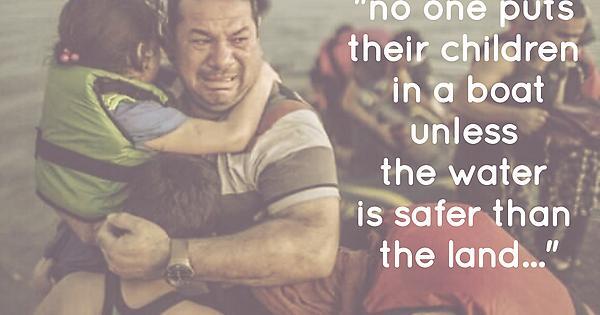
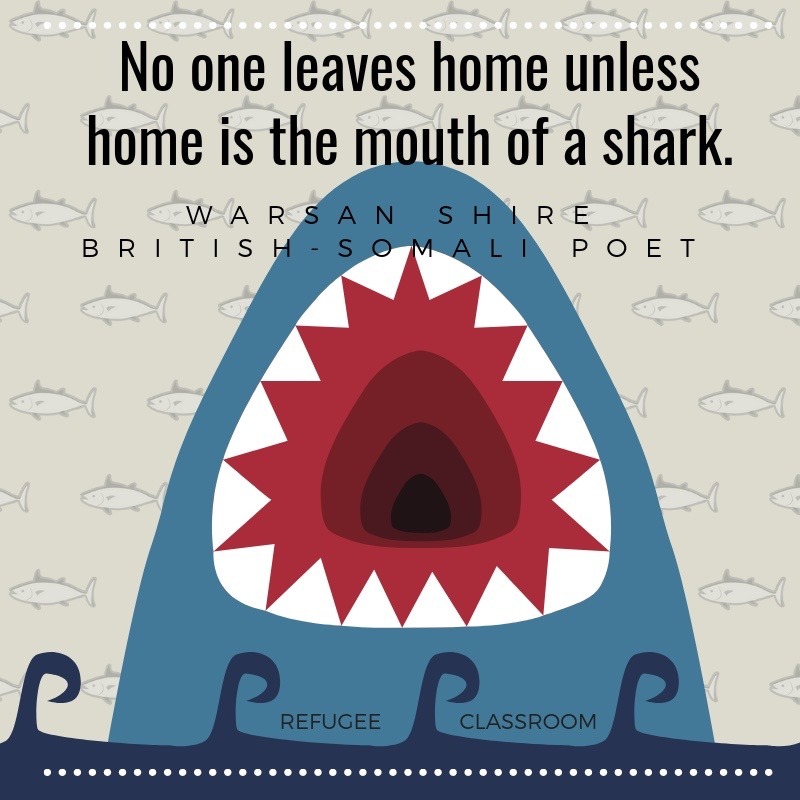
« No one leaves home unless home is the mouth of a shark »
« Home
by Warsan Shire
no
one leaves home unless
the
home
is the mouth of a shark
go home
blacks
you
only run for the border
refugees
when
you see the whole city running as well
dirty
immigrants
your
neighbors running faster than you
asylum
seekers
breath
bloody in their throats
sucking
our country dry
the
boy you went to school with
niggers
with their hands out
who
kissed you dizzy behind the old tin factory
they smell
strange
is
holding a gun bigger than his body
savage
you
only leave home
messed up
their country and now they want
when
home won’t let you stay.
to mess
ours up
no
one leaves home unless home chases you
how do the
words
fire
under feet
the dirty
looks
hot
blood in your belly
roll off
your backs
it’s
not something you ever thought of doing
maybe
because the blow is softer
until
the blade burnt threats into
than a
limb torn off
your
neck
or the
words are more tender
and
even then you carried the anthem under
than
fourteen men between
your
breath
your legs
only
tearing up your passport in an airport toilet
or the
insults are easier
sobbing
as each mouthful of paper
to swallow
made
it clear that you wouldn’t be going back.
than
rubble
you
have to understand,
than bone
that
no one puts their children in a boat
than your
child’s body
unless
the water is safer than the land
in pieces.
no
one burns their palms
i want to
go home,
under
trains
but home
is the mouth of a shark
beneath
carriages
home is
the barrel of the gun
no
one spends days and nights
and no one
would leave home
in the stomach of a truck
unless home chased you to
the shore
feeding on newspaper unless the miles travelled
unless home told you
means
something more than journey.
to quicken
your legs
no
one crawls under fences
leave your
clothes behind
no
one wants to be beaten
crawl
through the desert
pitied
wade
through the oceans
no
one chooses refugee camps
drown
or
strip searches where your
save
body
is left aching
be hunger
or
prison,
beg
because
prison is safer
forget
pride
than
a city of fire
your
survival is more important
and
one prison guard
no one
leaves home until home is a sweaty voice in your ear
in
the night
saying —
is
better than a truckload
leave,
of
men who look like your father
run away
from me now
no
one could take it
i don't
know what i’ve become
no
one could stomach it
but i know
that anywhere
no
one skin would be tough enough
is safer
than here
In an interview after she won the Brunel University African Poetry Prize, Warsan Shire was asked to talk about her sense of commitment to substance and urgent subject matter in her work. In response, Shire said: I’m from Somalia where there has been a war going on for my entire life. I grew up with a lot of horror in the backdrop – a lot of terrible things that have happened to people who are really close to me, and to my country, and to my parents; so it’s in the home and it’s even in you, it’s on your skin and it’s in your memories and your childhood. And my relatives and my friends and my mother’s friends have experienced things that you can’t imagine, and they’ve put on this jacket of resiliency and a dark humor. But you don’t know what they’ve been victims of, or what they’ve done to other people. Them being able to tell me, and then me writing it, it’s cathartic, being able to share their stories, even if it is something really terrible, something really tragic. Sometimes I’m telling other people’s stories to remove stigma and taboo, so that they don’t have to feel ashamed; sometimes you use yourself as an example.
Que
sa maison ne soit devenue la gueule d’un requin
Les
noirsLes réfugiés
Tu
ne cours vers la frontière
Les sales
immigrés
Que
lorsque toute la ville court également
Les
demandeurs d’asile
Avec
tes voisins qui courent plus vite que toi
Qui sucent
le sang de notre pays
Le
garçon avec qui tu es allée à l’école
Ils
sentent bizarre
Qui
t’a embrassée, éblouie, une fois derrière la vieille usine
Sauvages
Porte
une arme plus grande que son corps
Ils ont
fait n’importe quoi chez eux et maintenant
Tu
pars de chez toi
Ils
veulent faire pareil ici
Quand
ta maison ne te permet plus de rester.
Comment
les mots
Tu
ne quittes pas ta maison si ta maison ne te chasse pas
Les sales
regards
Du
feu sous tes pieds
Peuvent te
glisser sur le dos
Du
sang chaud dans ton ventre
Peut-être
parce leur souffle est plus doux
C’est
quelque chose que tu n’aurais jamais pensé faire
Qu’un
membre arraché
Jusqu’à
ce que la lame ne soit
Ou parce
que ces mots sont plus tendres
Sur
ton cou
Que
quatorze hommes entre
Et
même alors tu portes encore l’hymne national
Tes jambes
Dans
ta voix
Ou ces
insultes sont plus faciles
Quand
tu déchires ton passeport dans les toilettes d’un aéroport
À digérer
En
sanglotant à chaque bouchée de papier
Qu’un os
Pour
bien comprendre que tu ne reviendras jamais en arrière
Que ton
corps d’enfant
Il
faut que tu comprennes
En miettes
Que
personne ne pousse ses enfants sur un bateau
Je veux
rentrer chez moi
À
moins que l’eau ne soit plus sure que la terre ferme
Mais ma
maison est comme la gueule d’un requin
Personne
ne se brule le bout des doigts
Ma maison,
c’est le baril d’un pistolet
Sous
des trains
Et
personne ne quitte sa maison
Entre
des wagons
À moins
que ta maison ne te chasse vers le rivage
Personne
ne passe des jours et des nuits dans l’estomac d’un camion
À moins
que ta maison ne dise
En
se nourrissant de papier journal à moins que les kilomètres parcourus
À tes
jambes de courir plus vite
Soient
plus qu’un voyage
De laisser
tes habits derrière toi
Personne
ne rampe sous un grillage
De ramper
à travers le désert
Personne
ne veut être battu
De
traverser les océans
Pris
en pitié
Noyé
Personne
ne choisit les camps de réfugiés
Sauvé
Ou
la prison
Avoir faim
Parce
que la prison est plus sure
Mendier
Qu’une
ville en feu
Oublier sa
fierté
Et
qu’un maton
Ta survie
est plus importante
Dans
la nuit
Personne ne
quitte sa maison jusqu’à ce que ta maison
Vaut
mieux que toute une cargaison
soit cette
petite voix dans ton oreilleQui te
dit
D’hommes
qui ressemblent à ton père
Pars d’ici
tout de suite
Personne
ne vivrait ça
Je ne sais
pas ce que je suis devenue
Personne
ne le supporterait
Mais je
sais que n’importe où
Personne
n’a la peau assez tannée
Ce sera
plus sûr qu’ici
* « Home », par Warsan Shire (poétesse britannico-somalienne), 2010. Traduction : Paul Tanguy.
Amazing Poem by Warsan Shire
Video by me, Music by Renato Folgado
All rights reserved.
Warsan Shire is a Kenyan-born Somali poet, writer and educator based in London. Born in 1988, Warsan has read her work extensively all over Britain and internationally – including recent readings in South Africa, Italy, Germany, Canada, North America and Kenya- and her début book, ‘TEACHING MY MOTHER HOW TO GIVE BIRTH’ (flipped eye), was published in 2011. Her poems have been published in Wasafiri, Magma and Poetry Review and in the anthology ‘The Salt Book of Younger Poets’ (Salt, 2011). She is the current poetry editor at SPOOK magazine. In 2012 she represented Somalia at the Poetry Parnassus, the festival of the world poets at the Southbank, London. She is a Complete Works II poet. Her poetry has been translated into Italian, Spanish and Portuguese. Warsan is also the unanimous winner of the 2013 Inaugural Brunel University African Poetry Prize.