Comment soulager le mal de dos? Voici comment traiter votre mal de dos. Warren Abitbol, ostéopathe à Paris, vous livre ses conseils pour prévenir et soulager un mal de dos. Conseils santé, médecine, minceur, relaxation, et coaching sportif ... Découvrez toutes nos vidéos dédiées à votre bien-être sur : http://www.minutefacile.com/sante-bie...
How Music Could Become a Crucial Part Of Your Sleep Hygiene
😴 By Andrew R. Chow 😴
August 6, 2020 Max Richter performs "Sleep"
during SXSW 2018 in Austin, Texas -Travis P Ball
Max Richter - Sleep (Live from the Fondation Louis Vuitton) 👇 ♪ 😴 ♪ 👇
Max Richter - Excerpts from 'Sleep'
Live in Sydney 2016
Selected excerpts from the livestreamed performance of Max Richter's 8-hour minimalist composition 'Sleep', given at the Sydney Opera House on September 11th 2016.
Max Richter performs an extract from his piece 'Sleep' with cellist Ian Burdge and violinist Louisa Fuller, live In Tune BBC Radio 3
👇 ♪ 📽️ ♪ 👇
In the midst of a pandemic, sleep has never been more important—or more elusive. Studies have shown that a full night’s sleep is one of the best defenses in protecting your immune system. But since the spread of COVID-19 began, people around the world are going to bed later and sleeping worse; tales of terrifying and vivid dreams have flooded social media.
To combat sleeplessness, people are turning to all sorts of techniques, including anti-insomnia medication, aromatherapies, electronic curfews, sleep coaches and meditation. But another unlikely sedative has also seen a spike in usage around bedtime: music. While sleep music used to be confined to the fringes of culture—whether at avant-garde all-night concerts or New Age meditation sessions—the field has crept into the mainstream over the past decade. Ambient artists are collaborating with music therapists; apps are churning out hours of new content; sleep streams have surged in popularity on YouTube and Spotify.
And since the impacts of the coronavirus have upped the anxiety of daily life, artists’ streams and wellness app downloads have soared, forming bedtime habits that could prove lasting. At the same time, scientists are diving deeper: in September 2019, the National Institute of Health awarded $20 million to research projects around music therapy and neuroscience. As the field expands, experts imagine a world in which scientifically-designed albums could be just as effective and commonly used as sleeping pills.
Max Richter's Music to Sleep by
British composer Max Richter's most ambitious work," Sleep," is an eight-hour "lullaby" that is to be heard while tucked into bed. Richter recently performed it under the stars in Los Angeles, at a giant slumber party with 500 guests. Tracy Smith reports.
👇 ♪ 😴 📽️ ♪ 😴 👇
😴😴😴😴😴
Enhancing the edges of sleep
Sleep and music have been intertwined for centuries: a creation myth of Bach’s Goldberg Variations involves a sleepless Count. More recently, a Western fascination with sleep music reemerged in the ’60s, when experimental minimalist composers like John Cage, Terry Riley and members of the Fluxus collective began staging all-night concerts. Riley was inspired by Eastern mysticism and all-night Indian classical music events, and aimed to provoke rather than soothe: “It felt like a great alternative to the ordinary concert scene,” he said in a 1995 interview.
One of the acolytes of this scene was Robert Rich, who, as a Stanford student in 1982, staged his first “sleep concert” to about 15 dozers. His audience settled into their sleeping bags in a dorm lounge while
Rich created drones with a tape echo, a digital delay and a spring reverb for 9 hours. “I was fascinated by the idea of using music for trance-inducing purposes,” he tells TIME. “The intention was not to make music to sleep more deeply, but to enhance the edges of sleep and explore one’s consciousness.”
William Basinski likewise approached sleep music
through the lens of minimalist experimentation. At the time, Basinski was toying with generative music and feedback loops—music that unfolded slowly over hours. Initially, there was little interest in his work beyond his Brooklyn bubble. “I would have loved if people got more what I was doing—but it took quite a while,” he says. “But it allowed me to fall in and out of time—to get some peace, daydream.”
While Rich, Basinski and others pushed the bounds of convention, others entered the sleep music space for more practical reasons. The electronic musician Tom Middleton had created lulling ambient music as a member of Global Communication and and other bands in the ’90s, but had never seriously considered the connection between sleep and music until he developed insomnia after years of touring the globe and partying all night. “My sleep was pretty messed up, and it was impacting all parts of my life,” he said. “I wanted to train as a sleep science coach to understand it better and to see if I could hack my own sleep.”
Science meets streaming
When Middleton studied sleep science and began working with neuroscientists, he found that the benefits of music on sleep weren’t just spiritual, but based on empirical evidence. Studies
have found that relaxing music can have a direct effect on the parasympathetic nervous system, which helps the body relax and prepare for sleep. One trial in a Taiwan hospital found that older adults who listened to 45 minutes of relaxing music before bedtime fell asleep faster, slept longer, and were less prone to waking up during the night.
Barbara Else, a senior adviser with the American Music Therapy Association, has worked with victims of several disaster situations, including Hurricane Katrina, and seen how music can play a crucial role in quelling racing thoughts and establishing sleep routines. “We aren’t medicine or a cure, but we help progress towards a better sleep quality for people in pain or anxiety,” she says. “We can see respiration rate and pulse settle down. We can see blood pressure lower.”
Relying on similar research and working with neuroscientists at sleep labs, Middleton began devising music in which each element—harmony, rhythm, frequency, environmental noise—was chosen
based on scientific underpinnings. “I like to see robust, rigorous evidence to support why I’m making a production decision,” he says. In 2018, he released Sleep Better, an eight-part suite that unfolds with lapping waves, chirping birds and sustained synthesizer chords designed to line up with your circadian rhythms and encourage deep REM sleep, which is thought to help facilitate memory consolidation. Nothing much happens over its 80-minute runtime—but then again, if you’re consciously listening the whole way through, you’re engaging with
it wrong. “My album intentionally makes you ‘unlisten’ at a certain point,” Middleton says.
By the time Middleton released Sleep Better, a once-derided field was gaining legitimacy and sprawling in many directions. In the experimental wing, Basinski and Rich were suddenly being asked to perform sleep concerts for thousands of horizontal fans at major festivals like Le Guess Who in the Netherlands and Moogfest in North
Carolina. In an era of experiential pop-ups and events, consumers were embracing the opportunity to pay $250 per ticket for the privilege of falling asleep to Max Richter’s Sleep.
The rise of streaming also had an outsize impact. While many experimental artists have been hurt by streaming’s miniscule royalties, new digital platforms also provided easier and cheaper access to lengthy musical works. Robert Rich’s seven-hour Somnium, for example, had originally been released on DVD, the only format that could
support it in 2001; now, he could sell it easily as a download on Bandcamp. Another one of his most peaceful albums, Nest, unexpectedly began racking up millions of plays on Spotify. “That was quite a surprise,” he said.
Other sleep musicians began experiencing career transformations. In the mid-’00s, Chuck Wild, who performs as Liquid Mind, started uploading his relaxation music onto Pandora and YouTube to
modest returns. But his streaming numbers skyrocketed once streaming took hold around 2014. “I started looking at the numbers and my income, and went, “Holy cow, this is a way to fulfill my dream,” Wild says. Since then, he has released albums titled Deep Sleep, Peace and Mindfulness that have found success online.
The rise of wellness
As access to sleep music increased, so did awareness, thanks in part to a larger cultural shift around the ideas of “wellness” and mental health. Meditation and mindfulness were going
mainstream in Western society, and entrepreneurs responded accordingly, flooding the market with new startups that sought to alleviate rising levels of anxiety. One of those, Calm, was named Apple’s 2017 app of the year, and was valued at $250 million.
Last October, the company sensed a swelling interest in sleep music and hired its first Head of Music, Courtney Phillips. Phillips, who would often fall asleep to Enya as a child, saw
the creation of her role as a natural extension of a larger normalization around sleep music. “People used to hear ‘New Age’ and think of a ‘woo woo’ vibe—and imagine crystals and linen,” she says. “Now it’s just music to help you relax.”
Unsurprisingly, Spotify, the leader of the streaming world, has been at the forefront of this movement. On its genres page, an entire vertical for “sleep” is carved out alongside
“hip-hop” and “rock.” There are 42 official playlists in it, three of which—Sleep, Deep Sleep and Peaceful Piano—have more than a million followers.
Curiously, many of the artists on these prominent playlists are strangely shadowy: they have only a handful of songs uploaded, and little-to-no digital presence outside their Spotify pages. Over the last few years, several news outlets have written investigations into these so-called “fake artists” and the possible reasons that Spotify would promote them as opposed to more established ones. (Spotify declined to comment for this story.)
Whatever their reasons, this development—of a multibillion-dollar app establishing its own stream of sleep content and largely bypassing the form’s pioneers—is not lost on those who have spent decades in the space. “It’s troubling to me because it can be difficult to make a living as a musician,” Wild says.
“I think that it’s a great shame,” Middleton says. “They’re missing an opportunity to create really effective content based on science.”
Easing coronavirus anxieties
While many experts warned that the lack of sleep in America was a public health crisis several years ago, the pandemic has only exacerbated matters. And as prescriptions for anti-anxiety medication and insomnia aids have spiked over the last few months, so has the demand for sleep music. A representative for YouTube said searches for “Sleep Sound,” “Nature Sound,” “nighttime routine,” and “sleep hack video” all increased starting at the end of March. Calm has seen their daily downloads double. Endel, a platform that creates sound environments using artificial intelligence, says that their app installs have increased by more than 80%.
William Basinski’s life was thrown into disarray by the pandemic: his world tour was cancelled, erasing most of his potential earnings for the year. But on streaming services, his
royalties doubled from March to April, which he credits to people looking to assuage their anxiety. “Most people know that streaming isn’t that great for most underground musicians,” he says. “But I have to say, I’ve been pleasantly surprised by the digital royalties.”
Earlier this year, Robert Rich was working on an album with dark elements, but changed course when he started getting
inundated by requests from longtime listeners. “I was getting requests for music that was more comfortable. I set down the album I was halfway
through and sat down with the intention of making something very calm,” he said. He released a serene album, Offering to the Morning Fog, in May as a name-your-price download. “There could not be a better antidote to COVID-19 than this blissful, serene soundscape,” one commenter wrote on Bandcamp.
Going forward, the science around sleep music will continue to broaden and deepen, leading to questions around whether music could rival the effectiveness of medicine. “A sleeping pill is a
sedative hypnotic that influences our brain. Can we use sound to rewire the brain and make us feel drowsy? Yes,” Tom Middleton says. “The main challenge is if we can keep people in the various states of sleep, such as restorative delta wave sleep.”
But while some musicians are embracing scientific methods and collaborating with apps, others are worried the space could be commodified to the point where it’s unrecognizable. Already, you can go on YouTube and find dozens of livestreams with bland titles optimized for search results.
Given that creators like Rich and Basinski arose out of experimental fields in the first place, they’re not overly concerned about what’s happening in the mainstream. Rich says he has no
intention of making albums like the phlegmatic Offering to the Morning Fog for the rest of his career, even if it might be the most profitable path.
“We need to express the full dynamic range of light and dark,” he says. “Just creating relaxing pablum is probably worse than doing nothing right now.” But regardless of what direction Rich takes his career, Offering to the Morning Fog will always be available to lull you to sleep.
Max Richter’s monumental work ‘SLEEP’
Acclaimed Britsh composer Max Richter has written a new landmark recording: SLEEP is 8 hours long – the equivalent of a night’s rest – and is actually and genuinely intended to send the listener to sleep. "It’s an eight-hour lullaby,"
says its composer, Max Richter.
The ground-breaking new work is scored for piano, strings, electronics and vocals – but no words.
"It’s my personal lullaby for a frenetic world," he says.
"A manifesto for a slower pace of existence."
👇 ♪ 😴 ♪ 👇
SLEEP (8h): has now been reinvented as a new app, offering tailor-made musical sessions to aid sleep, meditation and focus.
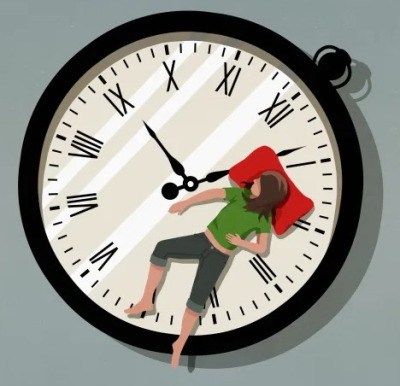
It's all about the Clock 😴 Internal and External By Jeffrey Kluger - June 24, 2020
COVID-19 and its associated quarantine have messed with pretty much every aspect of our lives.
Work time, meal time, family time, play time; our moods, our stress level, our tolerance; our ability to spend so much as one more minute staring at the same four walls of the same den or living room or home office in which we spend most of our days.
And if you’re like plenty of people, the quarantine has also completely messed up your sleep cycle, wrecking what might have been the most predictable and peaceful eight hours of your day. Unless, that is, you’re like plenty of other people - and the quarantine has led to some of the best and most consistently restful sleep you’ve ever had. If the pandemic itself has been an unalloyed bad, its impact on sleep has been much more ambiguous.
“There are both upsides and downsides,” says Dr. Cathy Goldstein, associate professor of neurology at the University of Michigan Sleep Disorders Center.
“We have more time in general so we’re devoting more of it to sleeping.
When people run out of discretionary time, the first thing they do is
condense their sleep. Now we can get that full eight hours-but we can
also get too much.” At the same time, she points out, the pandemic might
be causing other people to get too little sleep, or at times none at
all.
Broadly, Goldstein explains, sleep is governed by
two systems: the homeostatic and the circadian.
Thehomeostatic system
is more internal and is simply a function of how much sleep you’ve had
and when you need more.
Thecircadiansystem is pegged more to the
external - the 24-hour clock and the daylight-nighttime cycle.
“The two
systems are independent but interlocking,” Goldstein says.
Left to ourselves, with no external clock but the rising and setting
of the sun - humans in the state of nature in other words - we would all
fall naturally into an approximate midnight to 8:00 AM sleep cycle, with
4:00 AM the peak and midpoint of rest.
Those times are not fixed, of
course, with the entire eight-hour cycle shifting earlier during the
summer, when the sun might rise before 6:00 AM. Ten to midnight seems
like a relatively late bedtime, but in that same state of nature there
were also evening matters to tend to: getting children fed and put to
sleep, tending the fires, watching out for predators. Indeed, Goldstein
says, it’s normal for all of us to have a burst of evening alertness
from 7:00 to 9:00 PM, which is more or less when our long-ago ancestors
would have been performing these chores.
During quarantine, it appears that a lot
of people are finding their way back to that primordial sleep state. In
two papers currently in pre-publication for the journal Current Biology - one
a study of 435 European respondents, and the other of 139 students at
the University of Colorado, Boulder - researchers had only good news to
report.
“They found the subjects were sleeping slightly longer and at more consistent times across the course of the week,” Goldstein says. “They found a reduction in ‘social jet lag,’ which is the deviation from the midnight to 8:00 AM natural cycle. The discrepancy is much reduced - with subjects sleeping more consistently across seven days.”
But things are also more complicated - and less rosy - than that. People with jobs that allow them to work from home may be less physically active than they normally would be, which can disrupt the homeostatic system; they may have less exposure to outdoor light and dark, which can disrupt the circadian system. They may be eating more or at irregular times, which can put the digestive and sleep cycles in opposition to each other.
“There is a risk for a breakdown in the biological clock,” says Dr. David Neubauer, associate professor at the Johns Hopkins University School of Medicine and a faculty member at the school’s Sleep Disorders Center. “Maybe you’re staying up later, eating regular meals in the evening but snacking or napping during the day. We have had people in whom circadian rhythmicity disintegrates.”
And those are people in the best and most enviable work situations. People who are out of a job are likely to suffer profound anxiety over finances and the future that working people don’t. Others, like those on the front lines of the pandemic—working in hospitals or at other essential jobs - now define their lives by little but work, which takes its own toll. “It’s incredibly stressful,” Neubauer says.” They’re working with patients who are in extreme conditions or are dying. They’re working long shifts. When they come home it’s difficult to relax and drift off to sleep.”
In either case, this can lead to what sleep researchers call “acute insomnia,” an inability to relax and fall asleep due to a “precipitate stressor.”
“There is depression, loneliness, anxiety and all of that undermines the ability to sleep,” Neubauer says.
Other kinds of anxiety cut across employment lines. No one is completely safe from COVID-19. Virtually everyone knows what it means to wear a mask, to socially distance, to randomly cough or sneeze and wonder if it is the first sign of a deadly disease. That chronic stress takes its own toll. Neubauer reports people having anxiety dreams in which they’re not wearing a mask when they should, or are getting too close to other people when they shouldn’t.
Other factors that mess with our sleep are more within our control, especially our media diets—both what we’re consuming and how we’re consuming it. The news has been all bad - or at least all distressing - lately, involving the coronavirus itself; police killings, systemic racism and the uprisings to protest the inequities; and the usual partisan mud fights over the economy and other issues. Gorge on that all day and you go to bed stuffed and anxious. When it comes to news then, less is more. “We can get a good update in five minutes,” Neubauer recommends. “We don’t need five hours.”
The news delivery system also matters. We use phones, tablets and computers all day, and then carry them right into our beds at night. That exposes us to both overstimulating information and to blue-wavelength light that is thought to suppress the sleep-inducing hormone melatonin (though some research has called that widely accepted wisdom into question). Either way, if your screen is the last thing you see before you turn out the lights, you’re probably not doing your sleep any favors. “I have people put their phones to bed at least one hour before they go to sleep,” Goldstein says. “It’s a hard cutoff from both the information and the light.”
Consistency matters too. Goldstein recommends that even if work does not require us to be up at a certain hour, we try to set an alarm for 8:00 AM - or another fixed but early hour - to align our circadian cycles better with the sun. And if at all possible, no napping if you fall out of alignment; that just scrambles the homeostatic system.
Sleep, which is easily the most passive thing we do, ought not be a thing that requires so much work. And under ideal circumstances it doesn’t. But the current circumstances are not remotely ideal - awful for some, at the very least stressful for everyone else. We can’t control the pandemic; we can control our response to it.
Improving our sleep might be one of the healthiest responses of all.
Feeling depressed once in a while is normal when it is related to loss, life’s struggles or an injured self-esteem. However, when intense sadness and feelings of being helpless, hopeless and worthless become a part of your life and prevent you from functioning normally, you may be suffering from clinical depression, a common but serious mood disorder.
Depression can cause severe symptoms that affect how you feel, think and handle daily activities, such as sleeping, eating or working. According to the Centers for Disease Control and Prevention, depression affects one in 10 Americans. Dealing with depression is not easy for the person as well as their family members and friends. However, there is no need to suffer in silence. You can turn to different therapies, medications, meditation, physical exercise and even diet to help combat the condition. Many foods have been scientifically proven to lift a person’s mood, and you should include them in your diet to help ease your depression in a safe and natural manner. Foods containing nutrients, such as omega-3 fatty acids, tryptophan, vitamin D or B vitamins, have a direct impact on mood. These foods even boost the effectiveness of antidepressants and also help prevent relapses of depression in the long run.
Here are Top 10 Foods to Eat
to Fight Depression.
1. Green Tea
Tea consumption, especially green tea, is associated with a significantly reduced risk for depression. Bursting with antioxidants and amino acids, green tea can help you overcome depression in a natural way. A 2009 study published in the American Journal of Clinical Nutrition shows that more frequent consumption of green tea was associated with a lower prevalence of depressive symptoms in the older population living in the community. A 2014 study published in Public Health Nutrition even shows that higher green tea consumption was associated with a lower prevalence of depressive symptoms. When compared with participants consuming just one cup of green tea per day, those consuming more than four cups per day had a 51 percent significantly lower prevalence of depressive symptoms after adjustment for potential confounders. Theanine, the amino acid component of both green and black tea, is highly beneficial in psychiatric conditions. This amino acid has psychoactive properties that reduce stress and increase dopamine levels in the brain. A 2014 study published in Nutritional Neuroscience highlights the positive neurobiological effects of the green tea constituent theanine and its potential role in the treatment of psychiatric and neurodegenerative disorders, including depression, schizophrenia, obsessive compulsive disorder (OCD) and bipolar disorder. Enjoy 3 to 4 cups of green tea daily to help lift your mood and improve your overall health as well.
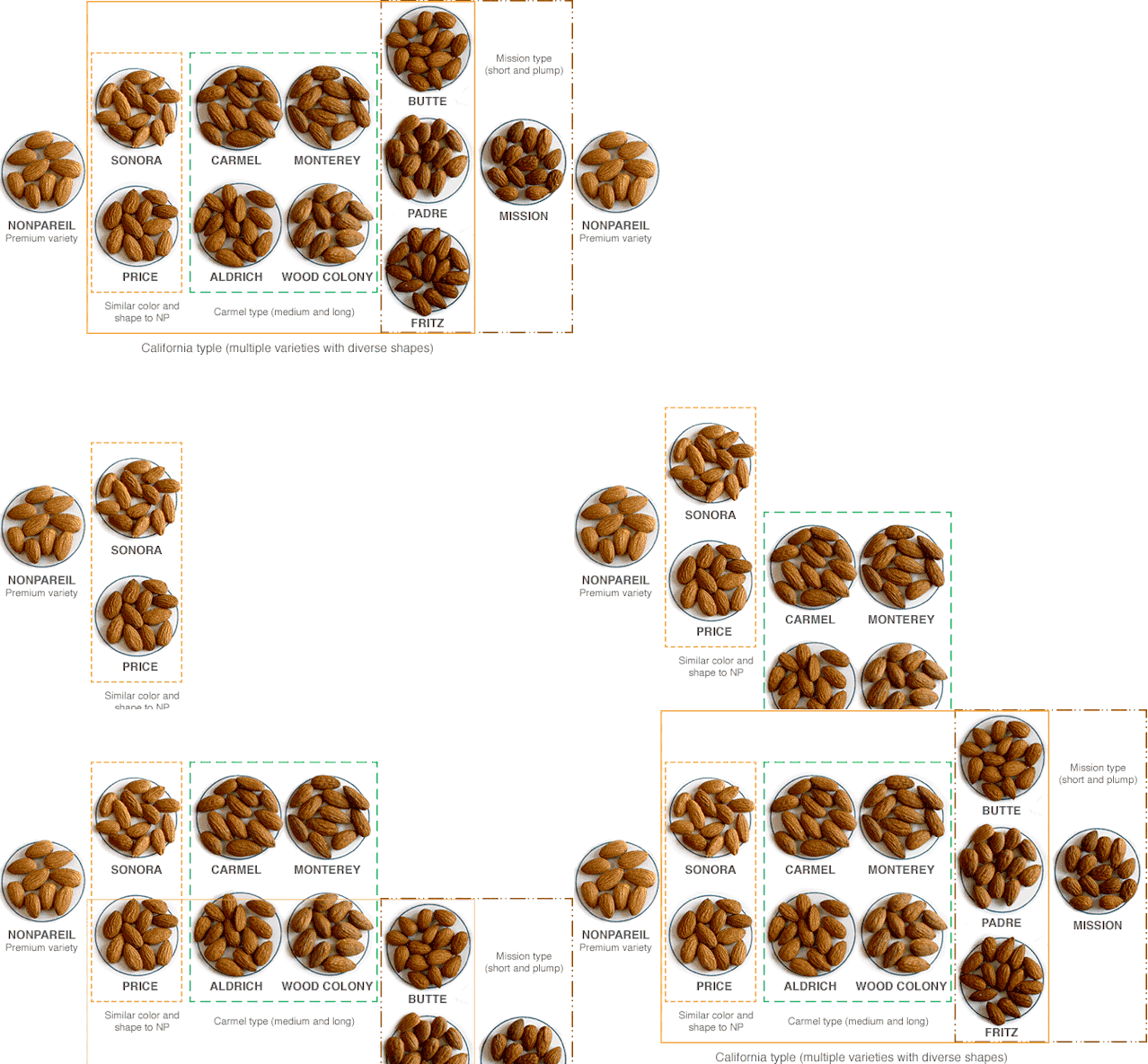
2. Almonds Another good food for fighting depression is almonds, mainly due to their high magnesium content. Magnesium influences production of serotonin, a “feel-good” brain chemical. This mineral also affects overall energy production. In fact, a low magnesium level in the body is linked to depression and other mood disorders. A 2006 study published in Medical Hypotheses found that magnesium deficiency is the cause of most major depression and related mental health problems. Magnesium-rich foods can help treat the depression symptoms to a great extent. Another beneficial nutrient in almonds is selenium, which can help decrease depressive symptoms. Selenium plays a role in producing thyroid hormones to combat decreased thyroid functioning that is positively associated with depressive symptoms. Additionally, almonds are a good source of zinc, a mineral that can protect brain cells from free-radical damage and boost neurotransmitter production and functioning. Snacking on about 23 almonds daily will allow you to see positive changes in your mood. You can enjoy almonds as a healthy snack and also mix them with your favorite low-fat yogurt or choice of fruit.
3. Salmon
Cold-water fish like salmon are rich in omega-3 fatty acids, which help fight depression. People with depression usually have low intake of omega-3 fatty acids, which support normal brain functioning by reducing inflammation. The two main types of omega-3 fatty acids found in salmon are eicosapentaenoic acid (EPA) and docosahexaenoic acid (DHA). Both EPA and DHA are found in very high concentrations in brain tissue and play an important role in nerve function and mood regulation. A 2004 study published in Lipids in Health and Disease reports that there is enough epidemiological, laboratory and clinical evidence to suggest that omega-3 fatty acids may play a role in certain cases of depression. A 2009 study published in CNS Neuroscience & Therapeutics reports that omega-3 fatty acids were more effective than a placebo for depression in both adults and children. Another study published in Oxidative Medicine and Cellular Longevity in 2014 reports that although there are many effective treatments for depression, dietary recommendations suggesting proper intake of omega-3 polyunsaturated fatty acids can result in substantial benefits. Salmon is also good for overall health, as it improves circulation and reduces your overall risk of heart disease. Along with salmon, other cold-water fish like tuna, sardines and anchovies are also rich in omega-3 fatty acids.
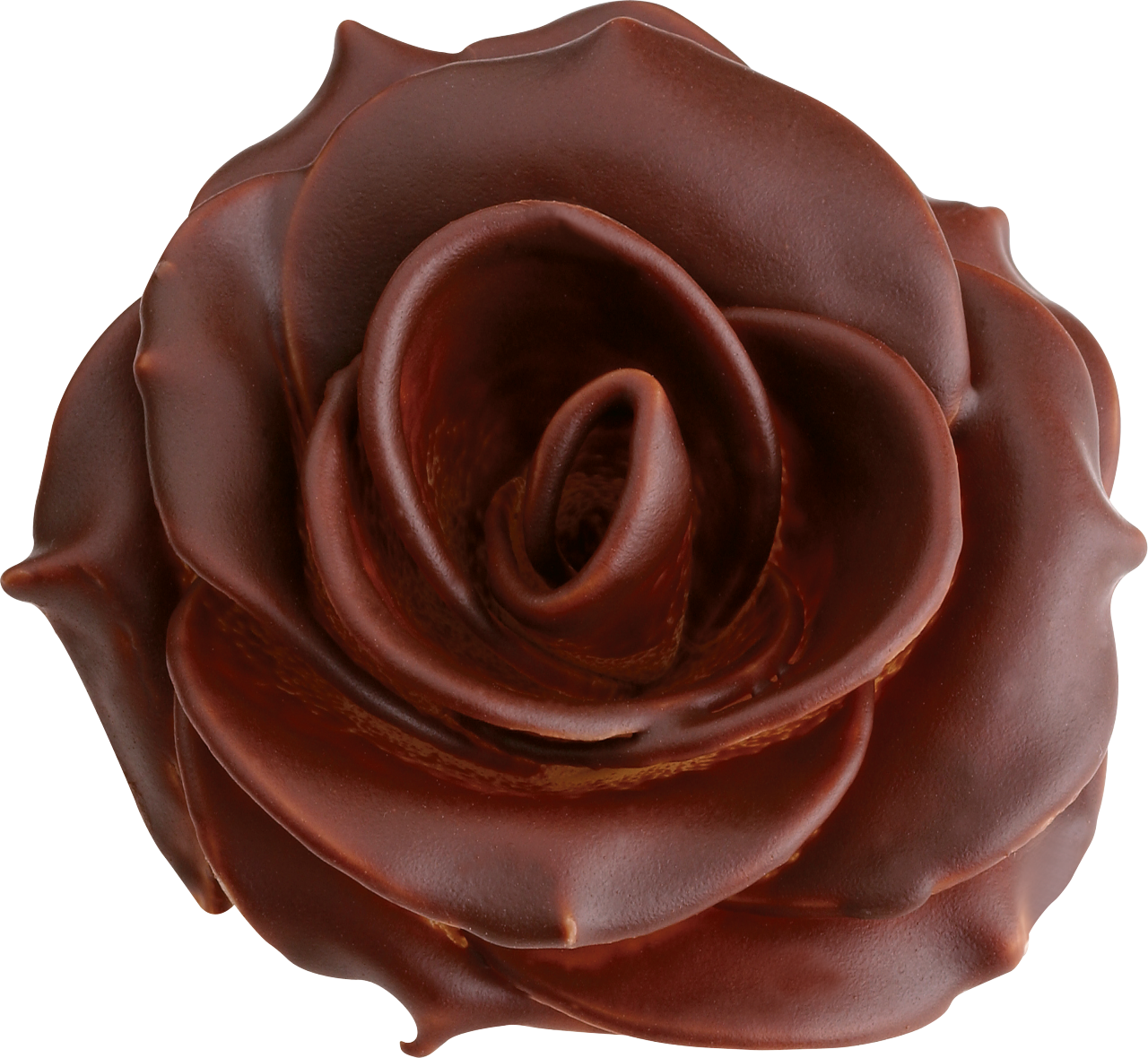
4. Dark Chocolate
Dark chocolate may increase serotonin levels in the body, which has qualities nearly identical to antidepressants. Also, it contains carbohydrates in the form of sugar, which signals the body to produce more serotonin.
In addition, dark chocolate slows down the production of stress hormones, which in turn reduces anxiety.
A 2011 study published in the ASEAN Journal of Psychiatry found that trainee nurses who consumed 50 grams of dark chocolate for three days had fewer symptoms of anxiety, stress and depression. This study suggests that dark chocolate may have a more prominent role in improving emotional and mood generally.
Another 2012 study published in the Malaysian Journal of Psychiatry found that cancer patients who consumed 50 grams of dark chocolate for three days had fewer depression and anxiety symptoms.
Dark chocolate consumption may even reduce the effects of chronic fatigue syndrome, due to its flavonoid content.
To help treat your depression, satisfy your cravings with a sweet treat of 1 to 1½ ounces of dark chocolate a day.
5. Eggs
This popular breakfast food packed with protein and other nutrients is another effective food for fighting depression.
Eggs are a good source of zinc, an essential micronutrient that is needed by the body to boost neurotransmitter production and functioning.
By eating foods rich in zinc like eggs, you can fight zinc deficiency as well as depression and possibly other disorders.
Along with zinc, eggs are one of the few foods that contain vitamin D, the deficiency of which is linked to depression and other mental health problems.
A 2013 study published in the British Journal of Psychiatry reports that low vitamin D concentration is associated with depression, and highlights the need for an increase in vitamin D for the prevention and treatment of depression.
In addition, eggs are rich in vitamin B12, which helps form red blood cells and maintain a healthy nervous system.
When it comes to eating eggs, you can try hard-boiled eggs, omelets, scrambled eggs and so on.
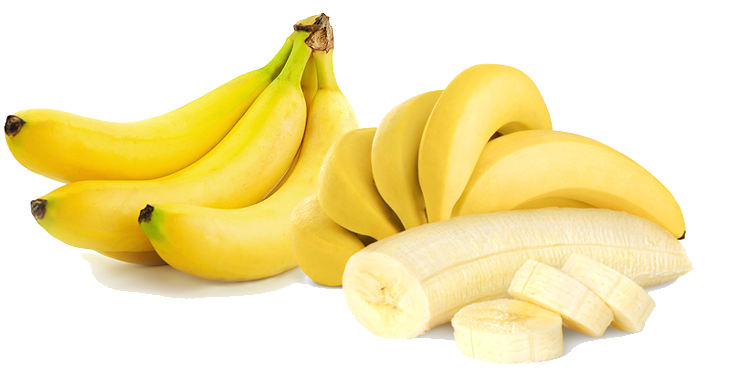
6. Bananas
Whenever you feel low or depressed, simply eat 1 or 2 bananas.
Bananas contain high amounts of tryptophan, which is known for raising the body’s serotonin level. This is just one mood-boosting component in bananas.
Also, it aids in producing tyrosine, the building block for norepinephrine and dopamine, two important neurotransmitters that can influence mood.
Additionally, bananas provide vitamin B6, which your body needs to manufacture serotonin from tryptophan.
They also contain four other B vitamins: thiamin (B1), riboflavin (B2), niacin (B3) and folate (B9).
Insomnia, another common symptom of depression, can be treated with bananas. The tryptophan in them can help you fall asleep more easily.
Hence, try to eat a banana followed by a glass of warm milk shortly before going to bed to enjoy better sleep.
7. Avocados
The high levels of omega-3 fatty acids in avocados make them an awesome choice for people suffering from depression. Omega-3 fatty acids, particularly eicosapentaenoic acid (EPA) and docosahexaenoic acid (DHA), might increase the volume of gray matter in the parts of the brain responsible for regulating emotions.
Avocados also contain potassium, which is important for mental health and brain function. It aids transporting serotonin, a neurotransmitter that promotes feelings of well-being and happiness. In fact, a low potassium level can contribute to confusion, mood swings and depression.
A 1992 article published in Neuropsychobiology reported a relationship between sodium, magnesium and potassium in depressed patients.
In addition, the monounsaturated fat in avocados in the form of oleic acid can improve your mood, and help treat depression and postpartum depression.
Avocados are also rich in tryptophan, an amino acid that helps reduce stress and induce relaxation.
Aim to eat ½ or 1 avocado daily, by including it in your salads or smoothies.
8. Blueberries
Blueberries are full of antioxidants that support proper brain functioning and improve cognitive function. They are very effective against depression. In a recent 2016 study by the Federation of American Societies for Experimental Biology, researchers conducted a series of studies in rats and found that eating blueberries could help reduce the genetic and biochemical drivers behind depression and suicidal tendencies associated with post-traumatic stress disorder (PTSD). Eating blueberries can also trigger the growth of new brain cells. In fact, the flavonoids found in blueberries help dopamine neurons in the brain survive much longer. Also, blueberries contain mood-boosting nutrients like B-complex as well as selenium, zinc and potassium. All these nutrients have a positive effect on neurologic and brain health. 9. Spinach When it comes to superfoods for fighting depression, dark leafy greens like spinach cannot be ignored. Spinach is filled with nutrients, such as folic acid, magnesium, and zinc, which are important for brain health and fighting depression symptoms. These nutrients also ensure the proper functioning of the nerves and muscles. Folic acid elevates a low mood and reduces fatigue. In fact, people who have low folic acid in the body are likely to experience depression symptoms, such as fatigue and apathy. The folate in spinach aids serotonin regulation, which plays a major role in determining mood and regulating social behavior. Folate is also known to boost the effectiveness of antidepressants. Magnesium, another nutrient in spinach, is needed for maintaining a proper serotonin level in the body. A low magnesium level can cause a drop in serotonin, leading to depression. Try to eat more spinach by using it as a salad or green smoothie ingredient or adding it to your hot meals.
10. Asparagus This versatile green veggie is also beneficial for people suffering from depression. Asparagus helps raise low folic acid levels that are linked to depression. A 2002 study published in the BMJ states that folic acid is important in the nervous system at all ages, and its deficiency is linked to depression and dementia, including Alzheimer’s disease, as well as vascular disease Asparagus also contains B vitamins, which are important for boosting mood. A 2005 study published in the Journal of Psychopharmacology reports that it is important to consider folic acid and vitamin B12 for treatment of depression. Plus, asparagus contains tryptophan, which increases serotonin in the brain and helps prevent depression and anxiety. A 2009 study published in the World Journal of Biological Psychiatry states that tryptophan works as an evolutionarily conserved signal to brain serotonin. It is time to consider adding more asparagus to your home-cooked dishes to ward off negative thoughts and feelings.