An Adventure Cat - TUNA No one thought this feral cat
could be adopted
but her mom knew exactly what she needed to be
happy.
👇 💗 👇
You can follow Tuna on all of her adventures in the great
outdoors on Instagram, @tunatheadventurecat: http://thedo.do/tuna.
Special thanks to Zach Etahiri, you can check out his awesome photography on Instagram,@mediocre.zach: https://thedo.do/zachetahiri.
Guy Biking Across the World
Picks Up a Stray Kitty
On this episode of Soulmates, meet Dean and Nala. Dean found Nala on the side of the road while he was biking his way through Bosnia. Now, these two best friends are biking across the world together.
There is place in Los Angeles that's become a sanctuary for both military veterans suffering from PTSD and neglected birds. Tracy Smith has a report on the remarkable connections made at Serenity Park.
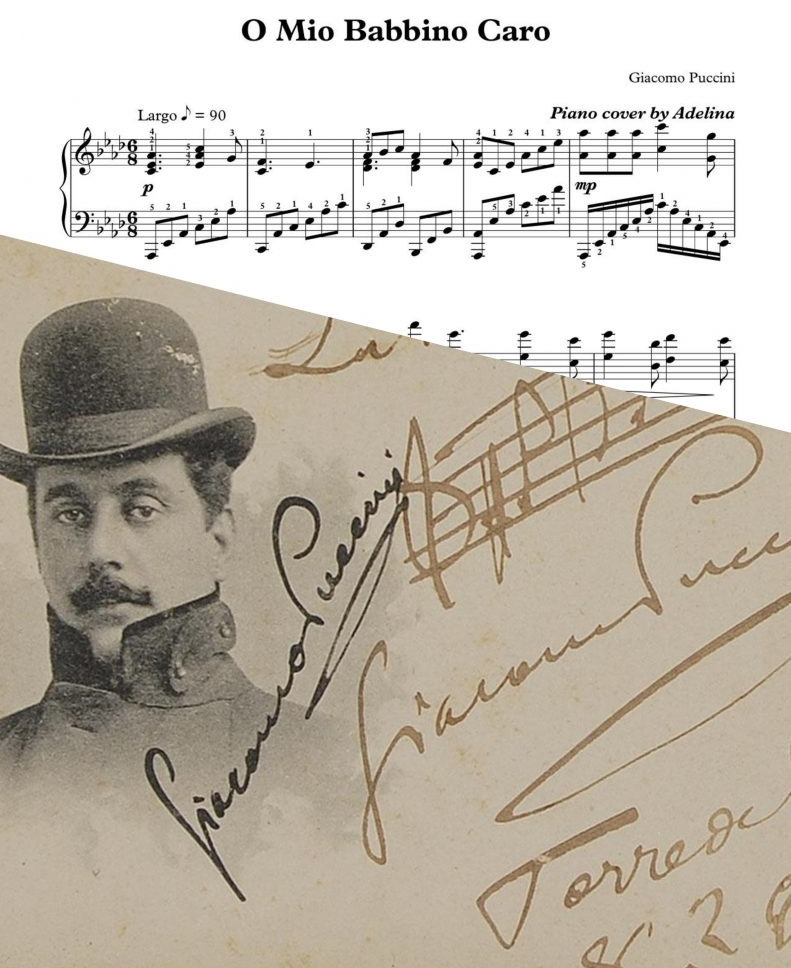
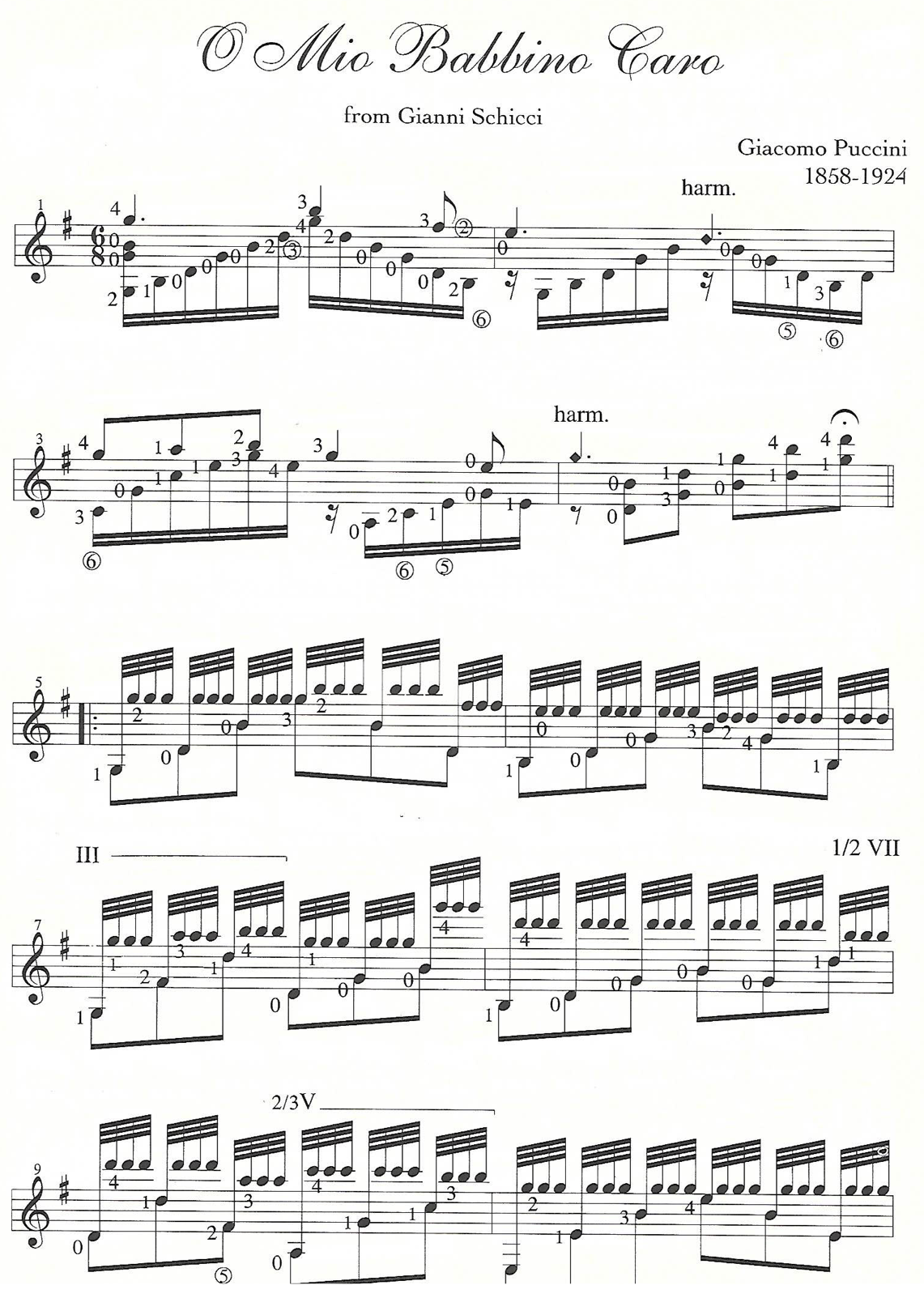
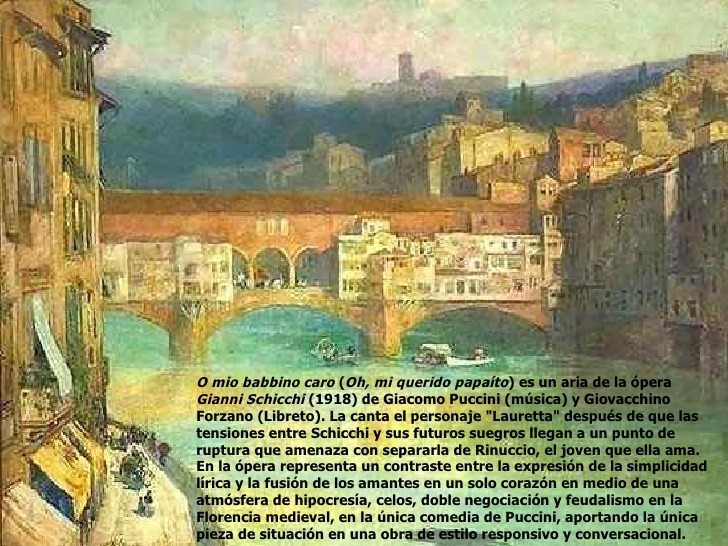
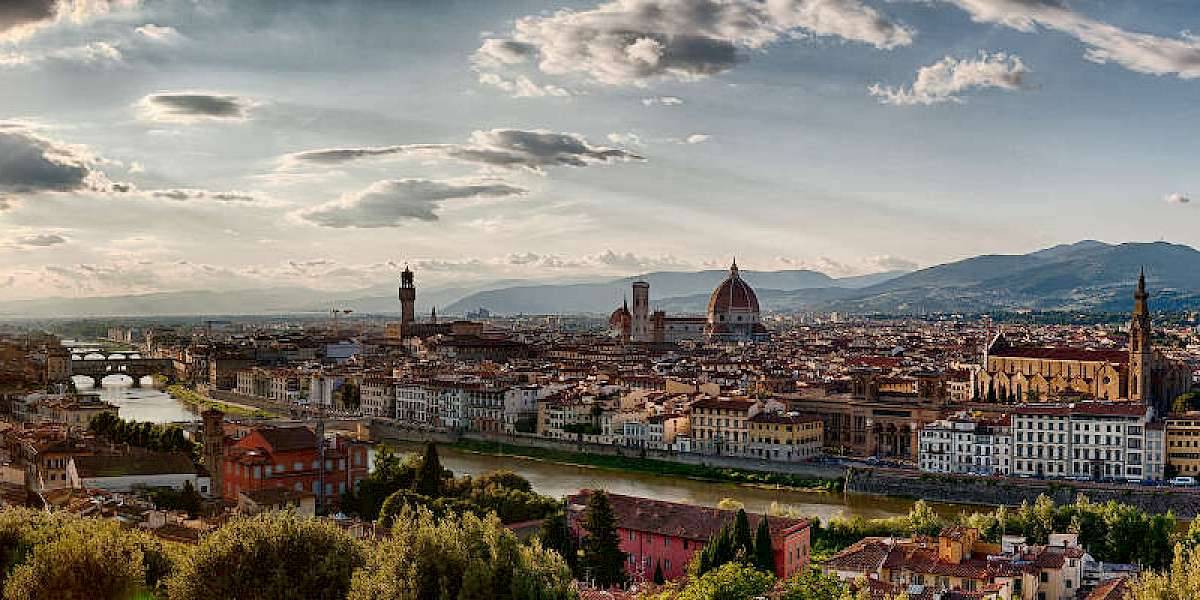
"Oh My Beloved Father" is a sopranoaria from the operaGianni Schicchi (1918) by Giacomo Puccini to a libretto by Giovacchino Forzano. It is sung by Lauretta after tensions between her father Schicchi and the family of Rinuccio, the boy she loves, have reached a breaking point that threatens to separate her from Rinuccio. Lauretta begs her father Gianni Schicchi to help her marry the love of her life, Rinuccio. It provides an interlude expressing lyrical simplicity and single-hearted love in contrast with the atmosphere of hypocrisy, jealousy, double-dealing, and feuding in the medieval Florence of Puccini's only comedy.
The aria was first performed at the premiere of Gianni Schicchi on 14 December 1918 at the Metropolitan Opera in New York by the popular Edwardian English soprano Florence Easton. It has been sung subsequently by many sopranos. Dame Joan Hammond won a Gold Record in 1969 for 1 million sold copies of this aria.
The aria is frequently performed in concerts and as an encore in recitals by many popular and crossover singers. It is used in several films, and some bands cover the aria in their own style.
Gianni Schicchi
Mirella Freni
"O Mio Babbino Caro"
Lyrics and Text Translation
Lyrics From Puccini's Famous Gianni Schicchi Aria (1918)
Italian
Literal
translation
Singable
English
O mio babbino caro
Oh my dear
papa,
Oh my
beloved father,
Mi piace, è bello, bello
I
love him, he is handsome, handsome.
I love him,
I love him!
Vo' andare in Porta Rossa
I want to
go to Porta Rossa
I’ll go to
Porta Rossa,
A comperar l'anello!
To buy the
ring!
To buy our
wedding ring.
Sì, sì, ci voglio andare!
Yes, yes, I
want to go there!
Oh yes, I
really love him.
E se l'amassi indarno,
And if my
love were in vain,
And if you
still say no,
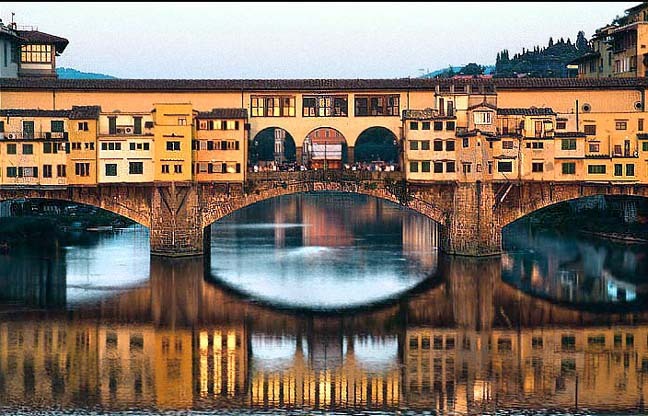
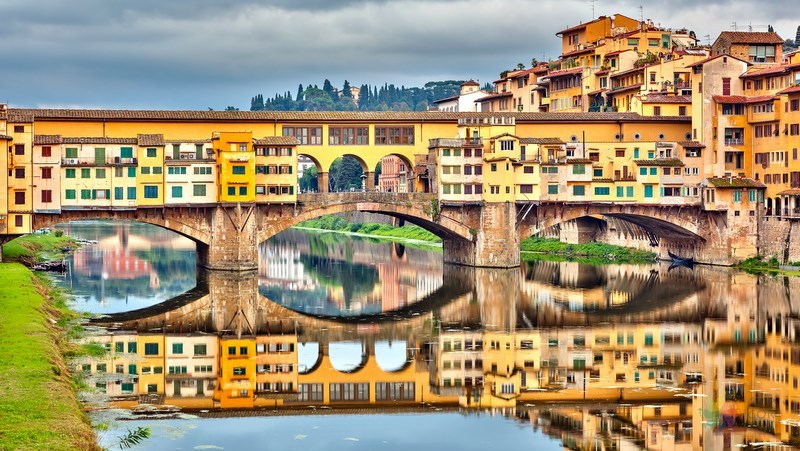
Andrei sul Ponte Vecchio,
I would go
to the Ponte Vecchio
I’ll go to
Ponte Vecchio,
Ma per buttarmi in Arno!
And throw
myself in the Arno! *(River)
And throw
myself in the River
Mi struggo e mi tormento!
I am
anguished and tormented!
My love for
which I suffer,
O Dio, vorrei morir!
Oh God, I'd
want to die!
At last, I
want to die.
Babbo, pietà, pietà!
Papa, have
pity, have pity!
Father I
beg, I beg.
Babbo, pietà, pietà!
Papa, have
pity, have pity!
Father I
beg, I beg.
André Rieu & Amira
O Mio Babbino Caro André Rieu & Amira Willighagen
From the DVD "Love in Venice"
Music
Range
The short aria consists of 32 bars and takes between 2½ and 3 minutes to perform. It is written in A-flat major with the time signature of 6/8 and a tempo indication of andantino ingenuo (=120). The vocal range extends from E♭4 to A♭5, with a tessitura of F4 to A♭5. The 5-bar orchestral prelude, in E-flat major and 3/4 time, consists of octavetremolos by the strings;
in the opera, these five bars are Gianni Schicchi's words ("Niente!")
at the end of his preceding dialogue with Rinuccio. Many recital
arrangements start with a presentation of the melodic theme; the remaining accompaniment uses strings and a harp playing broken chords.
Renée Fleming ♫ Marin ♫ Berliner Philharmoniker
Renée Fleming, soprano
Ion Marin, conductor · Berliner Philharmoniker
Recorded at the Waldbühne, Berlin, 27 June 2010
The Berliner Philharmoniker's Digital Concert Hall:
The United States Army Field Band from Gianni Schicchi
The United States Army Field Band Sergeant First Class Rose Ryon of the Soldiers' Chorus sings the famed soprano aria from Giacomo Puccini's comedic opera, Gianni Schicchi.
Odds are, opera fans will recognize "O Mio Babbino Caro" as one of the most popular soprano arias. Written by the Italian composer Giacomo Puccini, it is from "Gianni Schicchi," his only comedy. Inspired by Dante's "Divine Comedy," this one-act opera tells the tale of Gianni Schicchi, a man who lived in 13th century Florence, Italy.
Context In the opera, Schicchi is consigned to hell for having impersonated a dead nobleman in order to steal his fortune.
"O Mio Babbino Caro" is sung near the beginning, after relatives of the wealthy Buoso Donati gather around his bed to mourn his passing. In fact, they are only there to figure out to whom he left his great fortune of money.
A rumor spreads that instead of leaving his accumulated wealth to his family, Donati is giving his entire fortune to the church. The family panics and begins frantically searching for Donati's will. Rinuccio, whose mother is Buoso Donati's cousin, finds the will but withholds from sharing its information with any of his relatives.
Confident
that he has been left a large sum of money, Rinuccio asks his aunt to allow him to marry Laurette, the love of his life and the daughter of Gianni Schicchi. His aunt tells him that as long as he has received an inheritance, she will allow him to marry Lauretta. Rinuccio happily sends a message inviting Lauretta and Gianni Schicchi to come to
Donati's house.
Then Rinuccio begins to read the will.
Far from becoming a rich man, Rinuccio discovers that Donati's entire fortune instead will be bequeathed to a monastery. He is distraught because he won't be allowed to marry Lauretta as his aunt promised. When
Lauretta and Gianni Schicchi arrive, Rinuccio begs Gianni to help him regain Donati's fortune so that he may wed his beloved.
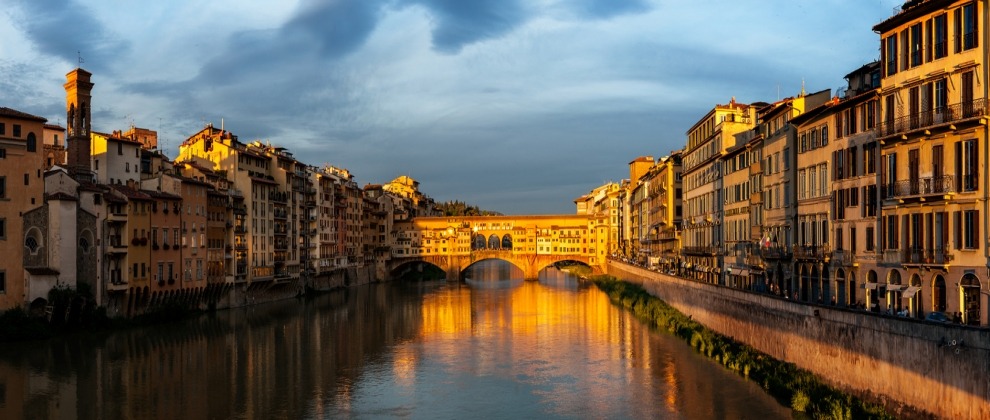
Rinuccio's family scoffs at the idea and begins arguing with Gianni Schicchi. Schicchi decides they are not worth helping, but Lauretta begs her father to reconsider by singing "O Mio Babbino Caro." In it, she declares that if she cannot be with Rinuccio she would rather throw herself into the Arno River and drown.
André Rieu- O Mio Babbino Caro (Subtitulada Español) HD Carmen Monarcha
Anna Netrebko + Lyrics
Lyrics Angela Gheorghiu
At the song's conclusion, Schicchi conspires to hide Donati's body, impersonate the dead man and rewrite the will to favor Rinuccio instead of the church. Schicchi pulls off the deed, despite protests from the dead man's relatives. Now a wealthy man, Rinuccio can wed his beloved Lauretta.
The sight of the two lovers together so moves Schicchi that he turns to the audience to address them directly. He may be condemned to hell for his acts, he sings, but the punishment is worth the satisfaction of using the money to bring the two lovers together. As the opera concludes, Schicchi seeks forgiveness, asking those in attendance for understanding his "extenuating circumstances."
Notable Singers
"O Mio Babbino Caro" is one of the most popular soprano arias in existence and one whose melody is likely to get stuck in your head. There are hundreds, if not thousands of videos and recordings of "O Mio Babbino Caro" online. With a little research, you can find your own favorite rendition.
Some of the most notable sopranos in the history of opera have sung "O Mio Babbino Caro," including Renée Fleming.
Others who have performed in this Puccini opera include Maria Callas, Montserrat Caballe, Sarah Brightman, Anna Netrebko and Kathleen Battle.
After Years of Painting Van Gogh Replicas,
Chinese Artist Fulfills His Dream:
A Trip to Europe to See the Real Thing
When the artist returned home to China, he finally painted his first original work, a new documentary shows.
Sarah Cascone - July 19, 2018
📽️ 👇 VIDEO 👇 📽️
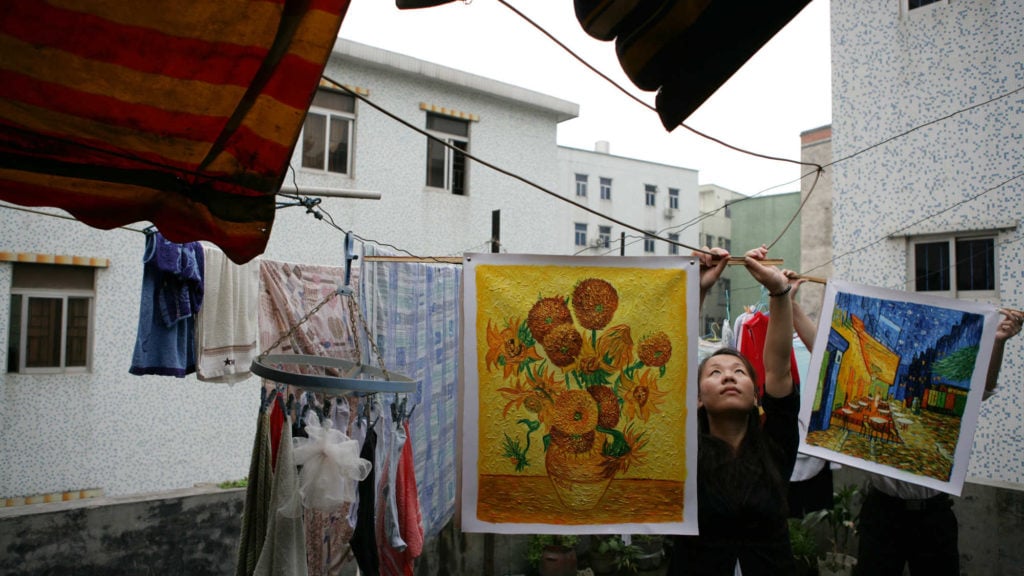
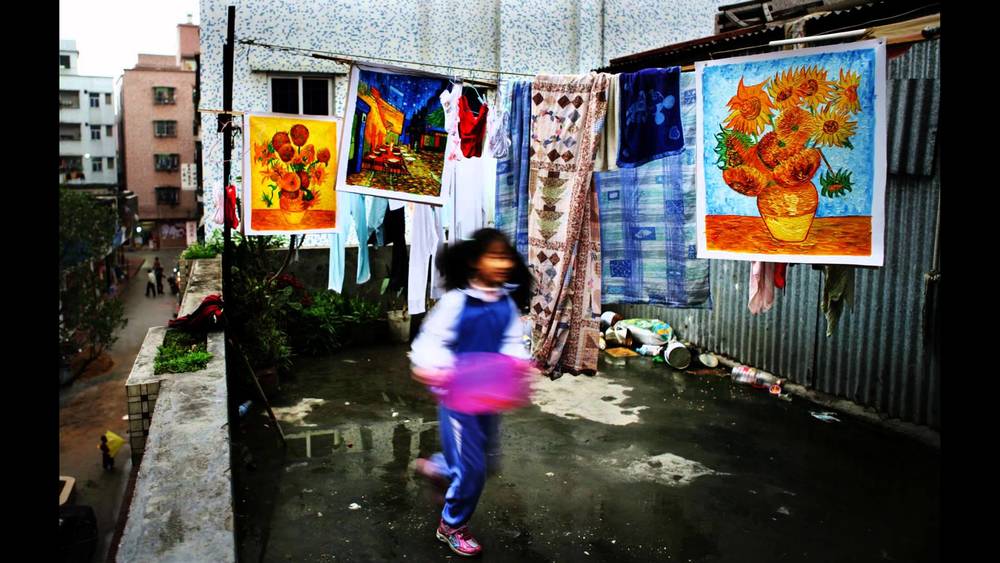
The cliche of the starving artist takes on new dimensions in China’s Van Goghs, a documentary film by father-and-daughter co-directors Haibo Yu and Kiki Tianqi Yu, which takes viewers into the studios of Dafen, the so-called oil-painting village in the city of Shenzen, China.
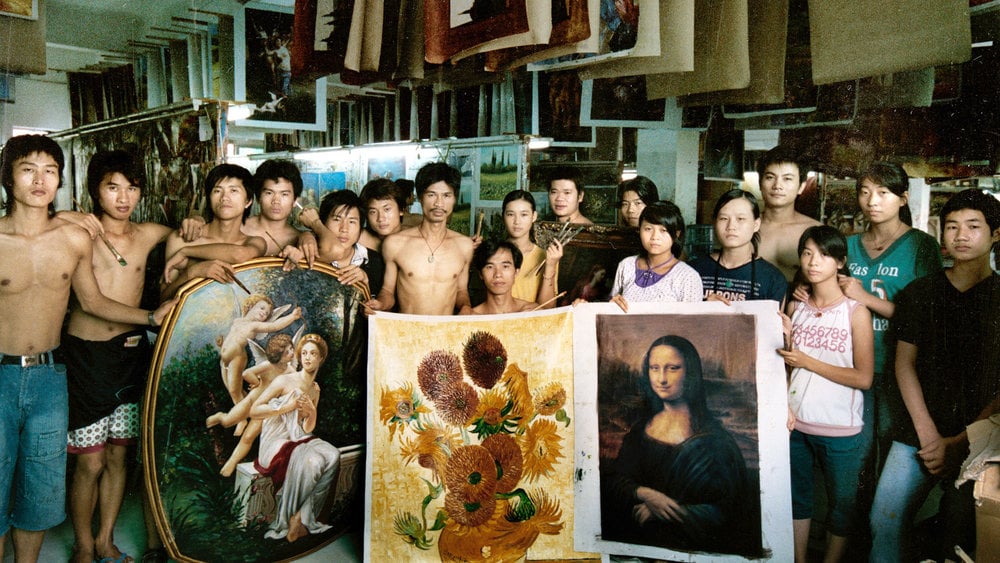
There, men and women dedicate themselves to the single-minded reproduction of famous paintings from the canon of Western art history, most notably masterpieces by Vincent van Gogh. After spending countless hours producing tens of thousands of Van Gogh
copies, the painters of Dafen have, understandably, developed an emotional investment in the Dutch artist.
“I was sweating and could not sleep anymore,” says Zhao Xiaoyong,
describing a dream in which he met the legendary Impressionist. “Van
Gogh was all over my mind.”
The film captures Zhao in his day-to-day life in the studio, painting
tirelessly to fill massive orders for Van Gogh replicas. It also
follows him in his quest to visit Europe and see, after 20 years of
copying Van Gogh’s work, the originals.
“If we had a chance to go abroad, it would be different: our vision would be opened,” he tells one of his fellow painters.
Together with family and students, living and working in a
two-bedroom apartment, Zhao has produced more than 100,000 faux Van
Goghs. But he feels, deep in his heart, that without having seen Van
Gogh’s creative genius in person, the knock-offs must be missing some
kind of elemental creative spark.
A shot from China’s Van Goghs.
At times, the studio, staffed solely by Zhao, his wife, brother, and
brother-in-law, must churn out seven or eight canvases a day to fill
orders. “I don’t even have to think,” Zhao admits. “The process is all
in my mind.”
Zhao’s studio is just one of many such replica factories. The Dafen
oil painting village has grown from a shop of 20 at its founding in 1989
to 10,000 painters today—and a $650 million annual industry. The
village has even become a minor tourist destination, with its own Trip Advisor reviews.
The pursuit of the perfect sunflower seems at times a thankless task.
One young painter in the film is shown throwing down his brush in
frustration after failing to satisfy his boss with his efforts. But
while Dafen’s denizens struggle to earn a living, their expertly
executed canvases are sold at huge markups to unsuspecting tourists in
Western countries. (In recent years, a domestic market for their work
has also risen.)
A shot from China’s Van Goghs. Film still courtesy of Century Image Media.
Filmmaker Haibo Yu lives in Shenzhen, and has been photographing the
painters of Dafen for more then ten years, winning a World Press Photo
Award for one of his images in 2006.
“It is an unreal place; you walk between the Rembrandt paintings and
those by da Vinci and Monet. And you see the low-paid working class
between the world-famous masterpieces,” Haibo’s daughter, Kiki Tianqi
Yu, told Dutch newspaper de Volkskrant. “Their lives are real, full of real issues and real concerns.”
More than just a means of earning a living, painting becomes an
all-consuming passion for many of the men and women of Dafen. And their
collective failure to truly live up to Van Gogh’s greatness, despite
their masterful ability to imitate his brushstrokes, becomes a source of
angst.
A shot from China’s Van Goghs. Film still courtesy of Century Image Media.
For entertainment one night, they screen the 1964 Van Gogh biopic, Lust for Life.
The artist’s death brings tears to the eyes of the painters, who have
clearly come to idolize him. Zhao and his friends also cannot help but
compare their own struggles with that of Van Gogh, who only sold one
painting in his lifetime.
The Yus spent months filming Zhao uncertain, at first, if he would
follow through on his plans to travel abroad. His journey to Amsterdam
and France is both the fulfillment of a long-held dream and an
eye-opening experience. Zhao soon stumbles across one of his own
paintings, being sold not, as he hoped, at an upscale gallery, but at a
souvenir shop.
The trip plants a seed, a yearning, that Zhao might become an artist
in his own right, following his own creative impulses, rather than
faithfully imitating another artist’s work.
After 20 years, Zhao laments, “I don’t even have a single piece of my
own. I’ve only been copying, copying.” Seeing Van Gogh in person, he
felt pressured to do more, to try and match the great master’s boundless
creativity, not just his techniques.
China's Van Goghs - Trailer
📽️ 👇 VIDEO 👇 📽️
After his return to China, Zhao paints his first original work. It
shows his studio, with him and his family hard at work on an order of
Van Goghs.
Zhao looks, for the first time, fulfilled. He encourages his fellow
copyists to do the same. “People might say our paintings are not very
good,” Zhao says, “but if we wait 50 or 100 years, there will be a
generation who understands us and appreciates our paintings.”
The very line elicits derogatory reactions — cheap, fake, inferior.
In the village of Dafen in the city of Shenzhen, one can say this rings true. In 1989, a Hong Kong businessman began turning hamlet into horde, with his peasants-turned-oil painters replicating masterpieces of the Western world for sale. He started with 20 painters, but now they number in the hundreds.
It’ll be easy to turn up your nose at this phenomena. It seems to justify both capitalistic and opportunistic stereotypes of the Mainland Chinese people. And that’s perhaps why China’s Van Goghs is necessary.
Zhao Xiaoyong, replica artist, has painted over 100,000 copies of Van Gogh’s work in his workshop. Together with his wife, kids and students, he churns quality copies of sunflowers, starry nights and Vincents. You would think his biggest dream is to have a big house or car, but it turns out — it’s to see Van Gogh’s works in real life.
The feature documentary film by Haibo Yu & Kiki Tianqi Yu weaves into Xiaoyong’s space, revealing him to be not the anomaly: The village it seems, is turning into the world’s unlikeliest art school.
The painters here gather for movie nights watching films on Van Gogh. Eyes turn wet as they see the struggles of their beloved idol, expressions in dismay at the tragic ending of the famous artist. Other times, they would talk about their passion in art, over a meal of hotpot and beer.
In one scene, Zhou Yong Jiu, a fellow master painter, berates his student’s work, citing it to be wrong in proportion and reminding him of their integrity to their clients.
And that’s the other part of the story — the clients. Ironically, most of these replicas are being bought up for resale in the western world — in Van Gogh’s case, Amsterdam.
When Xiaoyong finally pools the finances to go on his trip, he meets a grateful regular client outside the Van Gogh Museum. The client has plenty to be grateful for: He is selling Xiaoyong’s masterful copies for up to 8 times the price. This stuns him speechless, but not more so by the fact that the transactions are happening at a souvenir store, and not a gallery like he expected.
One cannot deny the masterful eye and strokes of Zhao Xiaoyong and his brethren. “Hold the brush this way”, he instructs his daughter. “It’s all about the strokes in Van Gogh’s work”.
After seeing Van Gogh’s works, Xiaoyong shuttles between epiphanies, before finally channeling his 20-years worth of internalised strokes to create masterpieces of his own — starting from his very own grandmother in his hometown.
China’s Van Goghs provokes on many levels. Is a copy of art, art? What makes for an artist? What makes a masterpiece, a masterpiece?
It draws parallels between Van Gogh’s own struggles with expression and recognition, with the Dafen painters’ own ambitions. It also re-orientates the narrative of the maligned China copy culture.
Xiaoyong’s fever reaches a high in one climactic scene. One night Van Gogh appeared. He asked me, ‘Zhao, how do you feel about painting my paintings?’
His thoughtful silence that follows, is all the unspoken love that a true artist would have, not only for an idol, but for art and life itself..