Voici le mois de mai (bis) Où les fleurs volent au vent (bis) Où les fleurs volent au vent si jolie mignonne Où les fleurs volent au vent si mignonnement
Le gentil fils du roi (bis) S'en va les ramassant (bis) S'en va les ramassant si jolie mignonne S'en va les ramassant si mignonnement
Il en ramasse tant (bis) Qu'il en remplit ses gants (bis) Qu'il en remplit ses gants si jolie mignonne Qu'il en remplit ses gants si mignonnement
À sa mie les porta (bis) Les donna en présent (bis) Les donna en présent si jolie mignonne Les donna en présent si mignonnement
Sometimes your stomach just can’t be satisfied. Eating lightly all day doesn’t sit well with your stomach in the middle of the night. It wants food and it will let you know – even if that means waking you up in the middle of sleep. But before you grab that midnight snack, think twice. Certain foods can wreak havoc on your body and your sleep cycle if eaten at night. Here are 10 of the worst foods to eat late at night.
Beef Rib-Eye
Fatty cuts of red meat take a long time to digest, which means that your stomach will be up and active while you’re ready to settle down and go to sleep. Red meat also contains an amino acid called tyrosine, which triggers brain activity. So not only will your stomach be active, but your brain will be active too, which means that your sleep will be delayed.
Ice Cream
Ice cream and other desserts that contain a lot of sugar will make your blood sugar level soar and then drop rapidly. Depending on the flavor of ice cream you choose, chocolate or coffee also may be an ingredient. Both contain caffeine, which will rev you up when you need to calm down.
Sugary Cereals
Sometimes having a bit of breakfast at night puts you in the mood to fall asleep. But those fun cereals that you ate as a kid are not the best choice for a late night snack. They contain a lot of sugar – sometimes more sugar than a candy bar. If you like to have cereal at night, stay away from the ones that have marshmallows or are “frosted” with sugar and, instead, choose a cereal that is high in fiber. The mixture of carbs and fiber will help you fall asleep instead of keep you awake.
Chips And Salsa
If you’re in the mood for something spicy, you may reach for the classic pairing of chips and salsa. However, the spiciness of the salsa will have your stomach doing the samba all through the night. The acidity of the salsa will cause acid reflux and the chemicals that are found in salsa and other spicy foods will stimulate your senses. Pair that with carb-filled chips and your stomach will be partying until the wee hours of the morning.
Garlic Bread
Not only will the carbs do you in on this one, the garlic will keep you up as well. Garlic, like spicy foods, contains compounds that cause heartburn and acid reflux. So to avoid an upset stomach as well as bad breath, avoid eating garlic at night.
Diet Soda
If you’re going to eat, you have to have a drink, right? Just make sure that that drink isn’t diet soda or even regular soda. These drinks are full of sugar and caffeine, which will keep you up. Plus, studies show that those who drink at least two sodas a day are more likely to weigh more than those who don’t.
Soup
A nice steaming hot bowl of soup seems as soothing as a pot of tea and it certainly can be as long as you don’t eat it at night. Canned soups in particular contain a lot of preservatives and a lot of salt, even if they’re labeled “low sodium.” That salt can dehydrate you and raise your body temperature, so you’ll wake up aching for a drink.
Pasta
When you’re ready to settle down and go to sleep you want to stomach to settle down as well. But if you eat a big bowl of pasta before going to bed, it’s going to be extremely hard for your stomach to settle down. Pasta is pure carbohydrates and those starches will mess with your blood sugar level, making it difficult to fall asleep. Most of those carbs, along with the oil, cheese and heavy sauce, will also turn to fat if eaten before bedtime.
Pizza
Like pasta, pizza is a heavy meal that gets your stomach moving. It’s loaded with carbs, not to mention cheese, sauce, meat and whatever other toppings you choose. All of that fat mixed with the acid from the tomato sauce and grease is a recipe for acid reflux, which will assuredly keep you up at night.
Fruit Salad
If you just beginning to think that fruit was a safe choice, you’ll be surprised to know that it is not. Certain fruits like watermelon, cranberries and citrus act as diuretics, which means that they make you urinate more frequently. Certain vegetables such as celery, onions, asparagus and eggplant can have the same effect, so eating them before bedtime will mean that your sleep will be disrupted for frequent trips to the bathroom.
To recap, red meat, sugary snacks and drinks, carbohydrates, and certain fruits and vegetables are all bad foods to eat at night. So what does make for a good midnight snack? A grilled chicken sandwich, low-fat yogurt with granola, cheese and crackers, a banana and red tea are all good options for nighttime. As long as you keep your portion small and the meal light, you and your stomach should have no trouble settling down.
The 5 Worst Foods to Eat Late at Night Written By Doris Maldonado - June 23 2018
There's no need to deny yourself a late-night snack if you're feeling
hungry, but you still have to think smart when it comes to eating late.
Eating the wrong foods will disrupt your sleep while also adding a lot
of unneeded calories to your day. Instead of just diving into the
nearest, tastiest-looking item in your fridge, here are five types of
foods to avoid at night and why.
Greasy or fat-filled foods:
Greasy, heavy, fatty foods
not only make you feel sluggish the next morning, but they also make
your stomach work overdrive to digest all that food. Stay away from
things like fast food, nuts, ice cream, or super cheesy foods right
before bed.
High-carb or sugary foods:
A little bit of something
sweet before bed may be just what you need to rest happy, but if you
gobble a huge slice of chocolate cake, the spike in your blood-sugar
levels could cause your energy levels to spike and plummet, disrupting
your sleep in the process. Avoid cake, cookies, or other desserts as
well as carby snacks like crackers or white bread and munch on an apple
instead.
Red meat and other proteins:
Like fatty foods, eating
red meats late at night will sit in your stomach and make it hard for
you to fall asleep while you're digesting (red meat may affect you the
worst, but eating a large portion of chicken or pork would have the same
effect as well). You don't have to avoid protein altogether, just make
sure you go for lean and small portions, like deli-sliced turkey breast
or a cup of yogurt.
Spicy foods:
Spices may be a natural cure-all for a range of ailments,
but when you're craving something to eat late at night, step away from
the hot sauce. Spicy, peppery foods may upset your stomach, and the
chemicals in spicy food can also stimulate your senses, making it hard
to fall asleep.
Big portions:
Late-night snacking shouldn't turn into a
late-night meal. Keep the total amount of calories under 200 so you
won't have any problems going and staying asleep. You'll also feel good
knowing that you didn't undo all your healthy eating habits of the day
right before bedtime.
So what should you eat instead? Small, light portions that will also calm cravings and help you sleep. Try incorporating these sleep-inducing foods or these low-calorie late-night snacks
that hit all your sweet or salty cravings. And remember to limit how
much alcohol you drink as well, since too many drinks can keep you up at
night.
Eat Late At Night It is widely mentioned to take healthy foods for a healthier and well being. But the thing that is not mentioned often is to maintain a proper time schedule for having those foods or else those same healthy foods can backfire by contributing to the down fall of your wellbeing. Such a very common boomerang case is seen with the sleep deprivation due to untimely snaking. Although all of them do not necessarily include healthy foods, but here are 10 worst foods that you should definitely avoid eating late at night.
10 Worst Foods To Eat Late At Night:
Coffee Helps To Kick Off Coffee Habit Consumption of coffee late at night is not a good idea at all. Coffee has a rich source of caffeine which hinders sleep by varying the sleep cycles and thwarting peaceful deep sleep through its nerve stimulating effects, which in turn, contributes to daylong tiredness, irritated mood, lack of concentration and thus, also adversely affects cognitive and motor functions. Consuming decaffeinated coffee doesn’t help the cause, as they are not entirely free of caffeine either.
Alcohol Many people believe consuming alcohol helps to fall asleep, well it does a bit thanks to its drowsy effects but it does not help the actual cause revitalizing the body! Although alcohol reduces the initial time to fall asleep but it alters the sleep cycle especially the one involving the REM (rapid eye movement) that influences the memory and restorative functions. While the normal refreshing sleep involves 6-7 cycles of REM phases, the alcohol induced one possesses only 1-2 of them! Though alcohol promotes deep sleep, it also causes snoring problem as it relaxes the throat muscles that often leads to airway obstruction.
Red Meat Being high in fat and protein, red meat products take longer time to digest and keep the body warm, active and thus, awake, throughout the night as its digestion continue which leads to considerable discomfort. Due to the high soluble fiber content, beans cause stomach problems and flatulence, which is particularly annoying when it occurs at night. Besides, it leads to significant gas production by causing sluggish movement of the food through the intestine which in turn, gives the opportunity to the normal gut flora to process the carbs by fermentation and produce gas.
High Cheese Foods Although cheese contains an amino acid tryptophan which is known as a good sleep inducing chemical and can be assumed to be good for stimulating sleep, overdose of the same cheese can lead to nights without sleep. So, high cheese containing foods such as double cheese pasta or cheese burst pizzas can be significantly hindering for you good night’s sleep as it make digestion of this heavy, high calorie foods very tedious and uncomfortable.
Fried And Spicy Foods Feeding on fried and high-fat foods such as chips, French fries, burgers, spicy Chinese foods etc while watching games or movies late at night, is not a good idea at all. These high calorie processed junk foods take particularly long time to digest and due to this longer presence of excessive acid in the stomach often leads to heartburn and acid refluxes. Moreover, the spicy foods often provide a thrust of a hormone called endorphins that disturb the sleep.
Soft Drinks Drinking soft drinks or carbonated beverages such as sweetened soda or different colas late at night increases acidity and gas problems in stomach and thus leads to discomfort which hinders sleeping. The sugar contents of this sweetened sodas also gives our body a burst of energy, which though desirable while working late but can give a hard time sleeping. In addition to this, being rich in added sugar and empty calories, they also contribute to weight gain. These drinks, especially the likes of diet sodas, may also contain caffeine that further adds to regimen of sleep inhibiting agents.
Chocolates Being packed with sleep inhabitants like caffeine and theobromine, chocolates, especially dark chocolates, is a big no-no for late night consumptions. The other varieties, such as milk chocolate, although contains lesser caffeine, is rich in sugar that gives an energy rush which in turn, prevents a good sleep.
Pastries And Fruit Yogurt Consuming high sugar products such as cakes, pastries, candy bars etc. provide sudden energy bursts that inhibit sleep. Different kinds of fruity yogurts such as strawberry, blueberry, cranberry etc. are chock-a-blocked with refined sugar, which is even more prominent in these items than in real fruits and can cause more ill-effects than normal sugars themselves. Moreover, since none of these carbohydrates are actually required for supplying body with energy for any tedious activity at that time of night, most of them often remain stored as fat which leads to unnecessary weight gain.
Ice Creams Ice creams, being packed with high sugars and fats, exert almost similar effect as that of pastries by contributing to sleep inhibition by providing energy spikes and setting the stage up for future weight due to the useless sugar content. In addition to that, the fat content of the ice cream takes longer time to digest which adds to further discomforts. Moreover, late in night, as the body lacks any strenuous physical activity, the body lowers the metabolism rate and cools down the entire system. Consumption of cold ice creams at these late hours thus may aid in catching cold by giving the opportunistic normal floras ideal environment for setting up an infection.Apart from avoiding the above mentioned foods, maintaining other factors such as avoiding fruit salads late in night (as they are also usually rich in sugar content), avoiding cruciferous vegetables such as cabbage, cauliflower, broccoli etc. (as lead to gas production) and having your dinner minimum 2 hours before going to sleep, can prove extremely beneficial for getting maximum Zs’.
Good
health is not just about eating the right foods. It’s about eating the
right foods — in the right proportions at the right time. A heavy meal at night can put a strain on your digestive system and disrupt your sleep. Plus, it may contribute to weight gain because you aren’t likely to burn that many calories while you sleep. Skipping dinner altogether is also not a good idea. The hunger will keep you awake and encourage late-night snacking. And
remember, sleep deprivation alters the way your genetics influence your
body mass index (BMI), thus leading to weight gain. Studies have also
found that it tends to compromise weight loss efforts by causing your
body to burn more muscle instead of fat.
Here are some of the worst possible foods that you can eat late at night.
1. Coffee
Caffeine
can keep you tossing and turning in your bed for hours due to its
temporary stimulating effect. It has also been found to alter the normal
stages of sleep and compromise deep sleep. Lack of quality sleep at
night can hinder cognitive functions and contribute to daytime
tiredness.
If you are thinking about switching to decaffeinated
coffee, be aware that most decaf coffees are not completely
caffeine-free. Instead of clinging to your coffee, try an herbal tea.
For example, you can enjoy a soothing cup of chamomile tea, which will also aid digestion and promote sleep.
2. Alcohol
Alcohol
can cause a drowsy effect but it does not produce revitalizing sleep.
According to a 2013 review of 27 studies on the effect of drinking on
nocturnal sleep, although alcohol reduces the time it takes to fall
asleep and even increases deep sleep, it tends to reduce REM (rapid eye
movement) sleep that influences your memory and serves restorative
functions.
A
refreshing, good night’s sleep includes 6 to 7 cycles of REM sleep.
With alcohol in your system, it can be reduced to just 1 or 2. Alcohol
can also cause snoring as it relaxes all the body’s muscles, including
the throat muscles, thus reducing your defenses against airway
obstruction.
3. Red Meat
Eating
steak or other red meat products can keep you tossing and turning in
bed at night. Due to their high fat and protein content, these foods
take time to digest and thus keep the body awake throughout the
digestion process. They also make you feel sluggish the next morning.
Instead
of relishing that thick, juicy steak, opt for lean meat and vegetables.
However, avoid cruciferous vegetables like cauliflower, broccoli and
cabbage as they can cause abdominal gas.
4. Beans
Though
healthy, beans should also be avoided at night. The jingle “Beans,
Beans, The Musical Fruit” best describes the reason. Being high in
soluble fiber, beans can cause flatulence and tummy troubles late at
night.
In fact, increased abdominal gas is a common side effect of
most high-fiber diets. Both soluble as well as insoluble fiber cause
gas, but soluble fiber has a higher gas-producing potential because it
slows the passage of food through the intestine where the gut bacteria
break down carbohydrates and cause fermentation and gas.
Lentils, peas, nuts and seeds are also rich in soluble fiber.
Foods that contain insoluble fiber include broccoli, cauliflower,
cabbage, Brussels sprouts and other cruciferous vegetables. Garlic,
onions, shallots, chicory root and leeks may also contribute to gas and
flatulence.
5. Super Cheesy Foods
Greasy
toppings on your pizza are delicious but can leave you lying awake,
feeling too full. Cheese is good for your health and even promotes sleep
because as it contains the sleep-inducing amino acid tryptophan.
However,
eating high-fat cheeses, especially at night, can make digestion
terribly uncomfortable. Plus, they are loaded with calories.
You can have non-fat cottage cheese and low-fat mozzarella or ricotta cheese, but remember moderation is the key.
6. Fried and Fatty Foods
Constantly
grazing on chips, fries, cheeseburgers and other high-calorie junk food
is a strict no-no for your health, particularly at night.
They are rich in fat that takes a longer time to digest and slows down the overall digestive process, thus leaving excess acid in the stomach and wreaking havoc on the digestive tract. Those who suffer from acid reflux should definitely stay away from fried foods.
Also,
avoid spicy foods that may cause physical discomfort like heartburn.
Plus, they tend to give you a rush of endorphins that can make it harder
to sleep.
7. Sodas
Sodas
are not only filled with empty calories, they are also acidic in
nature. Drinking soda at night can increase stomach pressure and cause
stomach discomfort.
Also, the high amount of sugar in many
carbonated drinks causes your energy levels to spike and disrupts your
sleep. Plus, certain sugars and artificial sweeteners can give you gas
and bloating. Some sodas, especially diet sodas, also contain caffeine
that disrupts sleep.
8. Chocolates and Candy Bars
Although
it contains antioxidants, eating chocolate, especially dark chocolate,
at night is not a good idea. It contains stimulants like caffeine and
theobromine that can keep you awake longer. The common milk chocolate,
though lower in caffeine, is loaded with sugar and fats.
Avoid
candy bars, pastries and other sugary treats as well. In addition to
causing energy spikes, these simple-carbohydrate foods contribute to
weight gain by causing a spike in your blood glucose level, most of
which your body does not need, especially at night. Thus, the body
stores excess glucose as fat.
Sorry to say, but high-fat and
high-sugar ice creams are also a no-no. Don’t reach for that box of
sugary cereal, either. You can eat a healthier cereal snack, though.
Additional Tips
Eat your dinner at least 2 hours before going to bed.
It’s estimated that around 80% of Americans have a magnesium
deficiency. Magnesium is an extremely important mineral, responsible for
over 300 biochemical functions in the body. Research has shown that
magnesium plays an important role in preventing several serious health
issues.
According to a recent study,
more than 1 million people across nine countries who consumed the most
magnesium tested at a lower risk of some major health issues. They
showed a 10% lower risk of coronary heart disease, a 12% lower risk of
stroke, and a 26% lower risk of type 2 diabetes.
Lead author on the study, Fudi Wang, Ph.D., explained the results.
“Our meta-analysis provides the most up-to-date evidence supporting a
link between the role of magnesium in food and reducing the risk of
disease.”
A
magnesium deficiency puts you at a greater risk for developing these
serious health conditions, along with many others. Here are nine
magnesium-rich foods you need to add to your diet:
1. Spinach
Spinach is an excellent source of magnesium. One cup of spinach contains
157 milligrams! Along with magnesium, spinach also provides the body
with essential vitamins and minerals it needs to keep things running
smoothly.
2. Swiss Chard
Swiss chard is incredibly nutrient-dense. Just one cup contains 154 milligrams of magnesium. The many antioxidants found in Swiss chard help promote eye health, reduce inflammation, and regulate blood sugar levels.
3. Pumpkin Seeds
Several different types of seeds are high in magnesium, including pumpkin seeds!
Snacking on just 1/8 cup of pumpkin seeds will provide your body with
92 milligrams of magnesium. These small seeds can help energize your
body, stabilize your blood pressure levels, and keep your heart healthy!
4. Avocado
One medium avocado provides your body with 58 milligrams of magnesium.
Avocados are also high in potassium, Vitamin K, and B vitamins. The
monounsaturated fats in avocados help keep your heart healthy and
strong! Studies have shown that avocados can help reduce inflammation and improve cholesterol levels.
5. Nuts
Several different types of nuts are high in magnesium. Almonds, cashews,
and Brazil nuts can all help you reach your daily magnesium goals. Nuts
are also a good source of fiber and monounsaturated fat. They’ve been
shown to help improve blood sugar and cholesterol levels.
6. Raw Cacao
Cacao is one of the highest plant-based sources
of magnesium. Snacking on a small chocolate bar made from raw, organic
cacao during an afternoon slump can help turn your glucose into energy,
giving you clarity and focus!
7. Bananas
One large banana contains 37 milligrams of magnesium. Bananas are also
full of Vitamin C, Vitamin B6 and fiber. The potassium in bananas has
been linked to a reduced risk of heart disease and lower blood pressure levels.
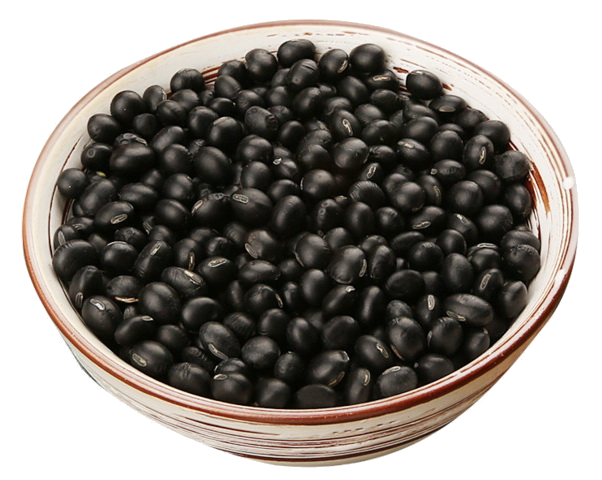
8. Black Beans
Add 1/2 cup of black beans to your meal to gain 60 milligrams of
magnesium. Black beans are also a good source of protein and fiber,
which can help regulate digestion. Research has shown that beans and
legumes can help prevent cardiovascular disease and blood sugar problems.
9. Figs
Just 1/2 cup of figs contains 50 milligrams of magnesium. They also contain potassium, calcium, iron, and copper. The antioxidants in figs help support the immune system to keep the body healthy and strong.
Basic answers to basic questions about the Paris climate agreement and global warming.
by Brad Plumer and Brian Resnick Jun 1, 2017
Donald Trump on Thursday made
his final call to pull the United States out of the Paris climate
agreement. The deal, joined by all but two countries (Syrian and
Nicaragua), is a broad framework designed to nudge nations to prevent
catastrophic climate change.
Climate change and global warming, not to mention the
Paris agreement, are oft-misconstrued issues. Here are the most basic
answers to basic questions about them
1) What is the Paris climate agreement?
The deal was hammered out over weeks of tense negotiations in December 2015 and weighs in at 31 pages. What it does is actually pretty simple.
The backbone is the global target of keeping global average temperatures from rising 2°C
(compared to temperatures pre-industrial revolution) by the end of the
century. Beyond 2 degrees, we risk dramatically higher seas, changes in
weather patterns, food and water crises, and an overall more hostile
world.
Critics have argued that the 2-degree mark is arbitrary, or even too low, to make a difference. But it’s a starting point, a goal that, before Paris, the world was on a track to wildly miss.
But the agreement doesn’t detail exactly how these
countries should do so. Instead it provides a framework for getting
momentum going on greenhouse gas reduction, with some oversight and
accountability. For the US, the pledge involves 26 to 28 percent
reductions by 2025. (Under Trump’s current policies, that goal is impossible.)
195 countries have agreed to it.
But there’s also no defined punishment for breaking it. The idea is to
create a culture of accountability (and maybe some peer pressure) to get
countries to step up their climate game.
In 2020, delegates are supposed to reconvene and provide
updates about their emission pledges and report on how they’re becoming
more aggressive on accomplishing the 2-degree goal.
It asks richer countries to help out poorer countries
There’s a fundamental inequality when it comes to global
emissions. Rich countries have plundered and burned huge amounts of
fossil fuels, and gotten rich from them. Poor countries seeking to grow
their economies are now shunned from using the same fuels. Many
low-lying poor countries also will be among the first to bear the worst
impacts of climate change.
So as part of the Paris agreement, richer countries, like
the US, are supposed to send $100 billion a year in aid by 2020 to the
poorer countries. And that amount is set to increase over time. Again,
like the other provisions of the agreement, this isn’t an absolute
mandate.
The agreement matters because we absolutely need momentum on this issue
The Paris agreement is largely symbolic, and it will live oneven though Trump is pulling the US out. But as Vox’s Jim Tankersley writes, “the accord will be weakened, and, much more importantly, so will the fragile international coalition” around climate change.
2) What is global warming?
The world is getting hotter, and humans are responsible. That's the short version.
When people say global warming, they're typically
referring to the rise in average temperature of the Earth's climate
system since the late 19th century. Temperatures over land and ocean have gone up 0.8° Celsius (1.4° Fahrenheit), on average, in that span:
Many people also use the term "climate change" to describe this rise in
temperatures and the associated effects on the Earth's climate.
The consensus among climate scientists
is that this temperature increase has been driven primarily by the
extra greenhouse gases humans have put into the atmosphere since the
Industrial Revolution. Greenhouse gases like carbon dioxide trap heat
at the Earth's surface, preventing that heat from escaping back out
into space too quickly. So when we burn coal or oil for energy or cut
down forests and add even more carbon dioxide to the atmosphere, the planet warms up.
Global warming also refers to what scientists think will happen in the future if humans keep adding greenhouse gases to the atmosphere. A 2013 report from the Intergovernmental Panel on Climate Change projects
that temperatures could rise at least 2°C (3.6°F) by the end of the
century under many plausible scenarios — and possibly 4°C or more.
Many experts consider 2°C of warming to be unacceptably high,
increasing the risk of deadly heat waves, droughts, flooding, and
extinctions. Rising temperatures will drive up global sea levels as the
world's glaciers and ice sheets melt. Further global warming could affect everything from our ability to grow food to the spread of disease.
Avoiding drastic global warming would likely require a complete overhaul of our energy system. Fossil fuels currently provide 87 percent
of the world's energy. To zero out emissions this century, we'd have to
replace most of that with low-carbon sources like wind, solar, nuclear,
geothermal, or carbon capture.
That's a staggering task, and there are huge
technological and political hurdles standing in the way. As such, the
world's nations have been slow to act on global warming — it's a
genuinely difficult issue to tackle, and efforts to revamp the energy
system often encounter heavy opposition.
3) How do we know global warming is real?
The simplest way is through temperature measurements. Agencies in the United States and Europe have independentlyanalyzed
historical temperature data and reached the same conclusion: the
Earth's average surface temperature has risen roughly 0.8° Celsius (1.4°
Fahrenheit) since the early 20th century.
But that's not the only clue. Scientists have also noted
that glaciers and ice sheets around the world are melting. Satellite
observations since the 1970s have shown warming in the lower atmosphere.
There's more heat in the ocean, causing water to expand and sea levels
to rise. Plants are flowering earlier in many parts of the world.
There's more humidity in the atmosphere. Here's a summary from the National Oceanic and Atmospheric Administration:
NOAA
These are all signs that the Earth really is getting
warmer — and that it's not just a glitch in the thermometers. That
explains why climate scientists say things like, "Warming in the climate system is unequivocal." They're really confident about this one.
4) How do we know humans are causing global warming?
Climate scientists say they are 95 percent certain that human influence has been the dominant cause of global warming since 1950. They're about as sure of this as they are that cigarette smoke causes cancer.
Why are they so confident? In part because they have a
good grasp on how greenhouse gases can warm the planet, in part because
the theory fits the available evidence, and in part because alternate
theories have been ruled out. Let's break it down in six steps:
1) Scientists have long known that greenhouse gases in the atmosphere — such as carbon dioxide, methane, or water vapor — absorb certain frequencies of infrared radiation and scatter them back
toward the Earth. These gases essentially prevent heat from escaping
too quickly back into space, trapping that radiation at the surface and
keeping the planet warm.
2) Climate scientists also know that concentrations of greenhouse gases in the atmosphere have grown significantly since the Industrial Revolution. Carbon dioxide has risen 40 percent. Methane has risen 150 percent. Through some relatively straightforward chemistry, scientists can trace these increases to human activities like burning oil, gas, and coal.
3) So it stands to reason that more greenhouse gases
would lead to more heat. And indeed, satellite measurements have shown
that less infrared radiation is escaping out into space over time and instead returning to the Earth's surface. That's strong evidence that the greenhouse effect is increasing.
4) There are other human fingerprints
that suggest increased greenhouse gases are warming the planet. For
instance, back in the 1960s, simple climate models predicted that global
warming caused by more carbon dioxide would lead to cooling in the
upper atmosphere (because the heat is getting trapped at the surface).
Later satellite measurements confirmed exactly that. Here are a few other similarpredictions that have also been confirmed.
5) Meanwhile, climate scientists have ruled out other
explanations for the rise in average temperatures over the past century.
To take one example: Solar activity can shift from year to year,
affecting the Earth's climate. But satellite data shows that total solar
irradiance has declined slightly in the past 35 years, even as the Earth has warmed.
6) More recent calculations
have shown that it's impossible to explain the temperature rise we've
seen in the past century without taking the increase in carbon dioxide
and other greenhouse gases into account. Natural causes, like the sun or
volcanoes, have an influence, but they're not sufficient by themselves.
Ultimately, the Intergovernmental Panel on Climate Change (IPCC) concluded
that most of the warming since 1951 has been due to human activities.
The Earth's climate can certainly fluctuate from year to year due to
natural forces (including oscillations in the Pacific Ocean, such as El Niño). But greenhouse gases are driving the larger upward trend in temperatures.
More: Here's
a chart breaking down all the different factors affecting the Earth's
average temperature. And there's much more detail in the IPCC's report, particularly here and here.
5) How has global warming affected the world so far?
Here's a list of ongoing changes that climate scientists
have concluded are likely linked to global warming, as detailed by the
Intergovernmental Panel on Climate Change (IPCC) here and here.
Higher temperatures: Every continent has
warmed substantially since the 1950s. There are more hot days and fewer
cold days, on average, and the hot days are hotter.
Heavier storms: The world's atmosphere
can hold more moisture as it warms. As a result, the overall number of
heavier storms has likely increased since midcentury, particularly in
North America and Europe (though there's plenty of regional variation).
Heat waves: Heat waves have likely become longer and more frequent around the world over the past 50 years, particularly in Europe, Asia, and Australia.
Shrinking sea ice: The extent of sea ice
in the Arctic has shrunk since 1979, by between 3.5 percent and 4.1
percent per decade, on average. Summer sea ice has dwindled even more
rapidly:
Shrinking glaciers: Glaciers around the world have, on average, been losing ice since the 1970s. In some areas, that is reducing the amount of available freshwater.
Sea-level rise: Global sea levels rose 25 centimeters (9.8 inches) in the 19th and 20th centuries, after 2,000 years of relatively little change.
The pace of sea-level rise has continued to increase in recent decades.
Sea-level rise is caused by both the thermal expansion of the oceans —
as water warms up, it expands — and the melting of glaciers and ice
sheets.
Food supply: A hotter climate can be
both good for crops (it lengthens the growing season, and more carbon
dioxide can increase photosynthesis) and bad for crops (excess heat can
damage plants). The IPCC found
that global warming was currently benefiting crops in some
high-latitude areas, but that negative effects were becoming
increasingly common worldwide.
Shifting species: Many land and marine species have had to shift their geographic ranges in response to warmer temperatures. So far, only a few extinctions have been linked to global warming, such as certain frog species in Central America.
Debated impacts
Here are a few other ways the Earth's climate has been
changing — but scientists are still debating whether and how they're
linked to global warming:
Droughts have become more frequent and more intense
in some parts of the world — such as the American Southwest,
Mediterranean Europe, and West Africa — though it's hard to identify a
clear global trend. In other parts of the world, such as the midwestern
United States and northwestern Australia, droughts appear to have become
less frequent. There's still a fair bit of debate on how global warming has affected droughts so far.
Hurricanes have clearly become more intense in the North
Atlantic Ocean since 1970, the IPCC says. But it's less clear whether
global warming is driving this. And there doesn't yet seem to be any clear trend for tropical cyclones worldwide.
6) What impacts will global warming have in the future?
It depends on how much the planet actually heats up. The
changes associated with 4° Celsius (or 7.2º Fahrenheit) of warming are
expected to be more dramatic than the changes associated with 2°C of
warming.
Here's a basic rundown of some big impacts we can expect
if global warming continues, via the Intergovernmental Panel on Climate
Change (here and here).
Hotter temperatures: If emissions keep
rising unchecked, then global average surface temperatures will be at
least 2ºC higher (3.6ºF) than pre-industrial levels by 2100 — and
possibly 3ºC or 4ºC or more.
Higher sea-level rise: The expert consensus
is that global sea levels will rise somewhere between 0.7 and 1.2
meters by the end of the century if global warming continues unchecked
(that's between 2 and 4 feet). And that's only the average. In regions
like the eastern United States, sea-level rise could be even higher.
Heat waves: A hotter planet will mean more frequent and severe heat waves.
Droughts and floods: Across the globe, wet seasons are expected to become wetter, and dry seasons drier. As the IPCC puts it,
the world will see "more intense downpours, leading to more floods, yet
longer dry periods between rain events, leading to more drought."
Hurricanes: It's not yet clear what impact global warming will have on tropical cyclones. The IPCC said
it was likely that tropical cyclones would get stronger as the oceans
heat up, with faster winds and heavier rainfall. But the overall number
of hurricanes in many regions was likely to "either decrease or remain
essentially unchanged."
Agriculture: In many parts of the world, the mix of increased heat and drought is expected to make food production more difficult. The IPCC concluded
that global warming of 1°C or more could start hurting crop yields for
wheat, corn, and rice by the 2030s, especially in the tropics. (This
isn't uniform, however: some crops may benefit from mild warming, such
as winter wheat in the United States.)
IPCC
Extinctions: As the world warms, many
plant and animal species will need to shift habitats at a rapid rate to
maintain their current conditions. Some species will be able to keep up;
others likely won't. The Great Barrier Reef, for instance, may not be
able to recover from major recent bleaching events linked to climate change. The National Research Council has estimated that a mass extinction event "could conceivably occur before the year 2100."
Long-term changes: Most of the projected
changes above will occur in the 21st century. But temperatures will
keep rising after that if greenhouse gas levels aren't stabilized. That
increases the risk of more drastic longer-term shifts. One example: if
West Antarctica's ice sheet started crumbling, for instance, that could
push sea levels up significantly. The National Research Council deemed many of these rapid climate surprises unlikely this century, but a real possibility farther into the future.
7) Is it “dangerous” to have more than 2°C of global warming?
Most of the world's nations have promised to avoid dangerous interference in the Earth's climate system.
That's often taken to mean preventing global average temperatures from
rising more than 2° Celsius (3.6° Fahrenheit) above pre-industrial
levels. Temperatures have already risen 0.8°C so far.
This 2°C limit has a long, tangled history.
By some accounts it was pushed by a German advisory panel back in the
early 1990s, who argued that letting temperatures rise more than 2°C
(3.6°F) would bring us outside the temperature range that allowed human
civilization to flourish in the first place. Subsequent research
detailed a range of adverse impacts that would occur if temperatures rose more than 2°C, from increased risks of severe weather to adverse impacts on agriculture.
Still, by its nature, the 2°C limit is arbitrary. Any single limit would be. Some scientists havenoted that we could see a range of significant impacts long before
we hit 2°C — coral reefs could start dying, or tiny island nations like
Tuvalu could get swallowed by the rising seas. Conversely, other
impacts, such as declining crop yields in the United States, might not
happen until we go above the threshold. Deciding how to weigh all that
is a political judgment as much as a scientific one.
For now, international climate negotiations tend to
center around 2°C. At the Copenhagen climate talks in 2009, almost every
nation in the world agreed to endorse
2°C as an upper limit for allowable global warming. The main dissenters
(particularly those island nations) were arguing for an even lower
limit.
8) What happens if the world heats up more drastically — say 4°C?
The risks of climate change would rise considerably if
temperatures rose 4° Celsius (7.2° Fahrenheit) above pre-industrial
levels — something that's possible if greenhouse gas emissions keep
rising at their current rate.
The Intergovernmental Panel on Climate Change says
4°C of global warming could lead to "substantial species extinctions,"
"large risks to global and regional food security," and the risk of
irreversibly destabilizing Greenland's massive ice sheet.
One huge concern is food production: a growingnumber of studiessuggest
it would become significantly more difficult for the world to grow food
with 3°C or 4°C of global warming. Countries like Bangladesh, Egypt,
Vietnam, and parts of Africa could see large tracts of farmland made
unusable by rising seas.
And humans could struggle to adapt to these conditions.
Many people might think the impacts of 4°C of warming will simply be
twice as bad as those of 2°C. But as a 2013 World Bank report
argued, that's not necessarily true. Impacts may interact with each
other in unpredictable ways. Current agriculture models, for instance,
don't have a good sense of what will happen to crops if increased heat
waves, droughts, new pests and diseases, and other changes all start
combining.
"[G]iven that uncertainty remains about the full nature
and scale of impacts," the World Bank report said, "there is also no
certainty that adaptation to a 4°C world is possible." Its conclusion
was blunt: "The projected 4°C warming simply must not be allowed to
occur."
9) How do we stop global warming?
The world's nations would need to cut their greenhouse gas emissions by a lot. And even that wouldn't stop all global warming.
For example, let's say we wanted to limit global warming to below 2°C. To do that, the IPCC has calculated that annual greenhouse gas emissions would need to drop at least 40 to 70 percent by midcentury.
Emissions would then have to keep falling until humans
were hardly emitting any extra greenhouse gases by the end of the
century. We'd also likely need to pull some carbon dioxide out of the atmosphere. The blue line below shows the path emissions would have to take to for a better-than-even chance of staying below 2°C:
By contrast, if emissions fall less sharply (the yellow
line) or keep growing indefinitely (the red line), then the world would
likely be on track for more warming — 3°C or 4°C or more.
Cutting emissions that sharply is a daunting task. Right now, the world gets 87 percent
of its primary energy from fossil fuels: oil, gas, and coal. By
contrast, just 13 percent of the world's primary energy is "low-carbon":
a little bit of wind and solar power, some nuclear power plants, a
bunch of hydroelectric dams. That's one reason why global emissions keep
rising each year.
To stay below 2°C, that would all need to change
radically. By 2050, the IPCC notes, the world would need to triple or
even quadruple the share of clean energy it uses — and keep scaling it
up thereafter. Second, we'd have to get dramatically more efficient at
using energy in our homes, buildings, and cars. And stop cutting down
forests. And reduce emissions from agriculture and from industrial
processes like cement manufacturing.
The IPCC also notes that this task becomes even more
difficult the longer we put it off, because carbon dioxide and other
greenhouse gases will keep piling up in the atmosphere in the meantime,
and the cuts necessary to stay below the 2°C limit become more severe.